Entertainment news and discussion on TalkFuse.
The Cult make a career move on Sonic Temple and are briefly promoted to the Big Time
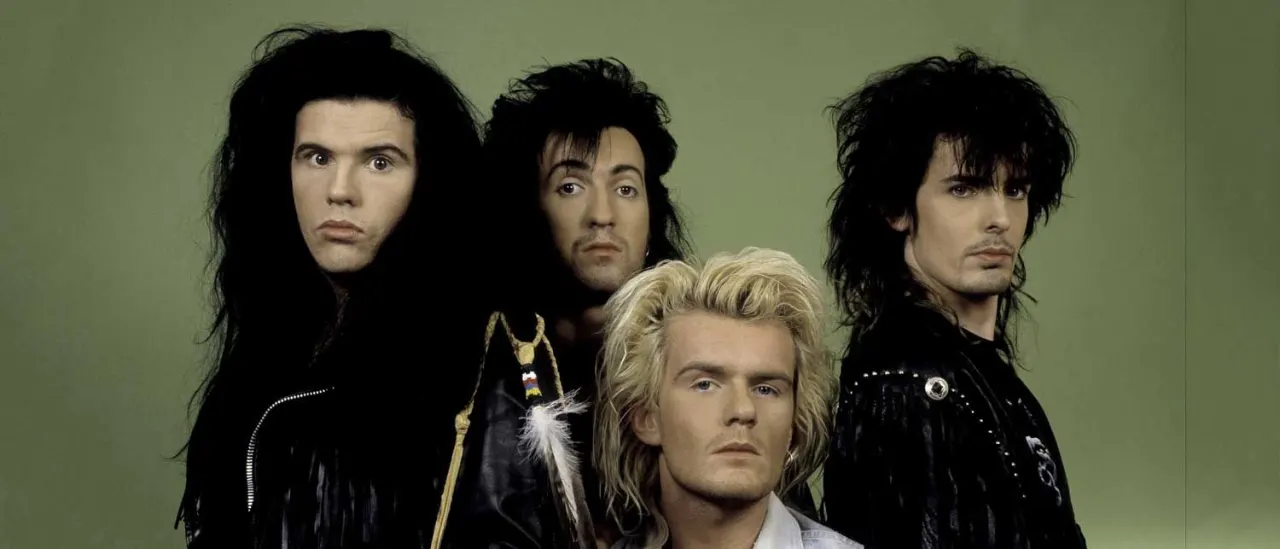
The Cult’s 1989 album *Sonic Temple* was a bid to become one of the world’s biggest rock bands, pairing their earlier psychedelic and hard-edged sounds with louder production and a more polished hard-rock style. Although it did not make them global superstars, its success briefly carried them into the mainstream and left them with one of their defining albums.
Produced by Bob Rock, the record features “Fire Woman”, “Sun King”, “American Horse” and “Edie (Ciao Baby)”. Guitarist Billy Duffy described it as a career-minded move and his idea of a full-scale rock album, while frontman Ian Astbury saw it as more psychedelic, drawing on Cream. “Fire Woman” helped the album reach the Billboard Top Ten, though contemporary and later reviews differed on how well its mix of styles worked.
In short
- *Sonic Temple* marked The Cult’s push towards mainstream rock success.
- “Fire Woman” helped take the album into the Billboard Top Ten.
- Billy Duffy and Ian Astbury had different perspectives on its sound.
Steelman: both sides, in good faith
The strongest fair case each way — we don't pick a winner.
The case for
The strongest case for Sonic Temple is that The Cult were right to pursue a bigger, more polished sound: it brought their music to a wider audience and produced enduring songs such as “Fire Woman”. A full-scale rock album could still make room for the band’s psychedelic roots, as Astbury’s reading of the record suggests.
The case against
The strongest case against the move is that aiming for mainstream success risked smoothing out the distinctive tension in the band’s earlier, more psychedelic and hard-edged music. The album’s mixed reception suggests that its louder, polished production did not persuade everyone that the blend worked, and its brief mainstream rise fell short of making The Cult global superstars.
Explained simply
The Cult are a British rock band led by singer Ian Astbury and guitarist Billy Duffy. Their earlier music mixed psychedelic influences with a harder rock sound, and their 1989 album Sonic Temple brought those elements into a louder, more polished style.
Producer Bob Rock worked with the band on the album, which includes “Fire Woman”, “Sun King”, “American Horse” and “Edie (Ciao Baby)”. Duffy regarded it as a full-scale rock record and a career move, while Astbury heard a stronger psychedelic influence, including echoes of Cream.
“Fire Woman” helped the album reach the US Billboard Top Ten, giving the band a brief period of wider mainstream success. Sonic Temple remains one of their defining records, though listeners and critics have differed over how successfully it combines its styles.