World news and discussion on TalkFuse.
The current approach to peace talks won’t end Russia’s war in 2027
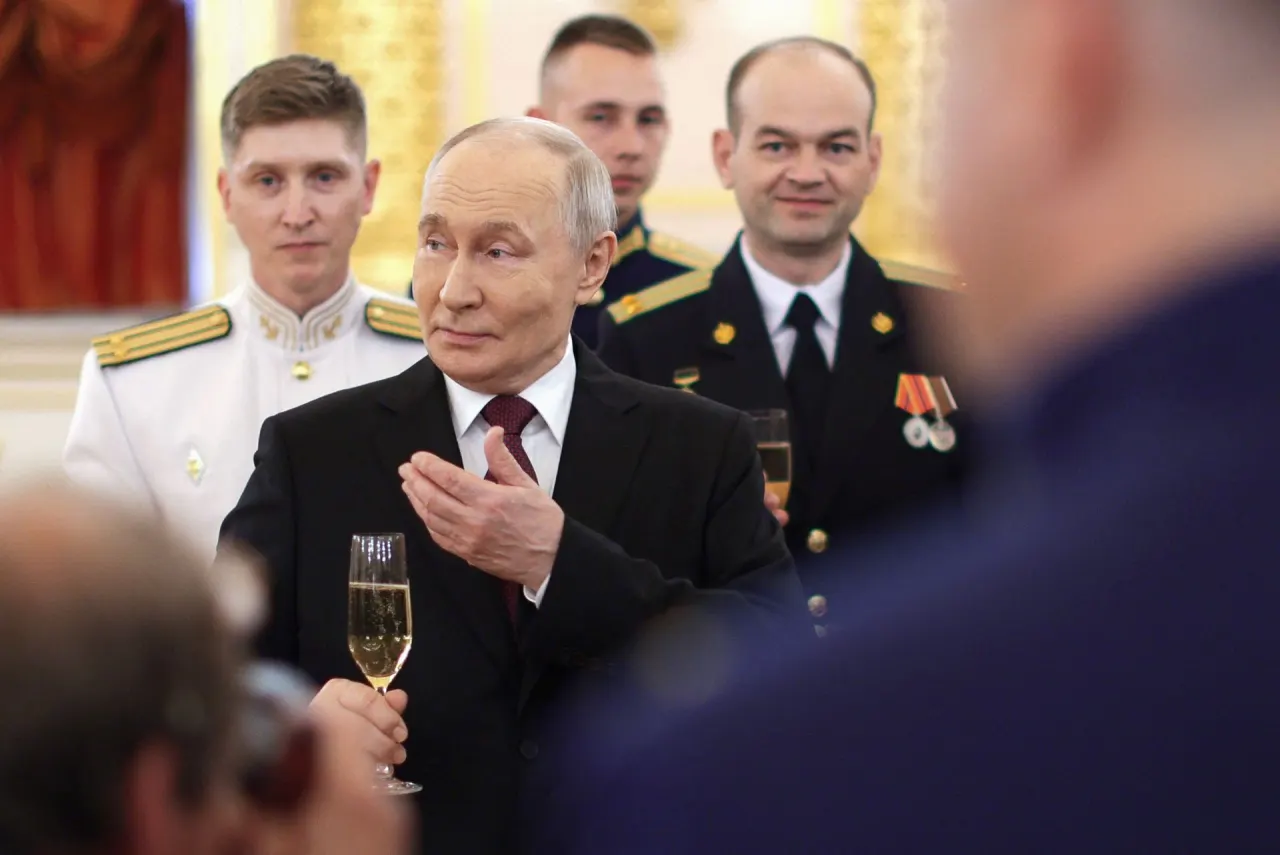
The article argues that the latest peace talks are unlikely to end Russia’s war in 2027, because Moscow is using negotiations to divide Ukraine’s allies and gain time rather than seek compromise. It says the talks risk making Kyiv appear responsible for blocking peace when it rejects Russia’s demands.
At Abu Dhabi, Russia reportedly continued to demand that Ukraine give up four regions, renounce NATO membership and reduce its armed forces, while declining to discuss broader de-escalation. The article says symbolic steps, including a proposed 1,000-for-1,000 prisoner exchange and a local ceasefire, can help Moscow ease diplomatic isolation, shift the terms of debate and slow Western military aid and sanctions.
In short
- The article says Moscow is using talks to pursue its aims.
- Russia reportedly repeated demands Ukraine rejects.
- The author warns negotiations could weaken Western unity.
Steelman: both sides, in good faith
The strongest fair case each way — we don't pick a winner.
The case for
Those who support continuing the current talks can argue that even limited contact may reduce immediate suffering, enable prisoner exchanges and create openings for broader de-escalation. Diplomacy can also keep channels open and test whether Russia is willing to make concessions, while ending talks could leave military pressure as the only means of shaping events.
The case against
Those who oppose the current approach can argue that talks offer little prospect of peace if Russia maintains demands that would strip Ukraine of territory, security choices and defensive capacity. On this view, symbolic agreements may ease pressure on Moscow and weaken allied unity without changing its aims, while casting Kyiv’s refusal to accept those terms as an obstacle to peace.
Explained simply
Russia’s full-scale invasion of Ukraine began in 2022, and the war has continued despite repeated efforts to negotiate an end to the fighting. Ukraine is led by President Volodymyr Zelenskyy; Russia is led by President Vladimir Putin, whose government launched the invasion.
Ukraine’s security and territory are central to the dispute, as are its ability to choose its own alliances and defend itself. Russia has sought control over Ukrainian land and limits on Ukraine’s military and its possible ties to NATO, a defence alliance that includes the United States, Britain and other European countries.
Other governments, including Ukraine’s Western partners, influence the negotiations through diplomacy, military support and sanctions on Russia. Prisoner exchanges and local pauses in fighting can provide practical relief, while the broader talks concern whether the two sides can agree on terms for security, territory and an end to the war.