World news and discussion on TalkFuse.
‘The Dark Knight’s Most Famous Line Wasn’t Written by Christopher Nolan and It Still Bothers Him
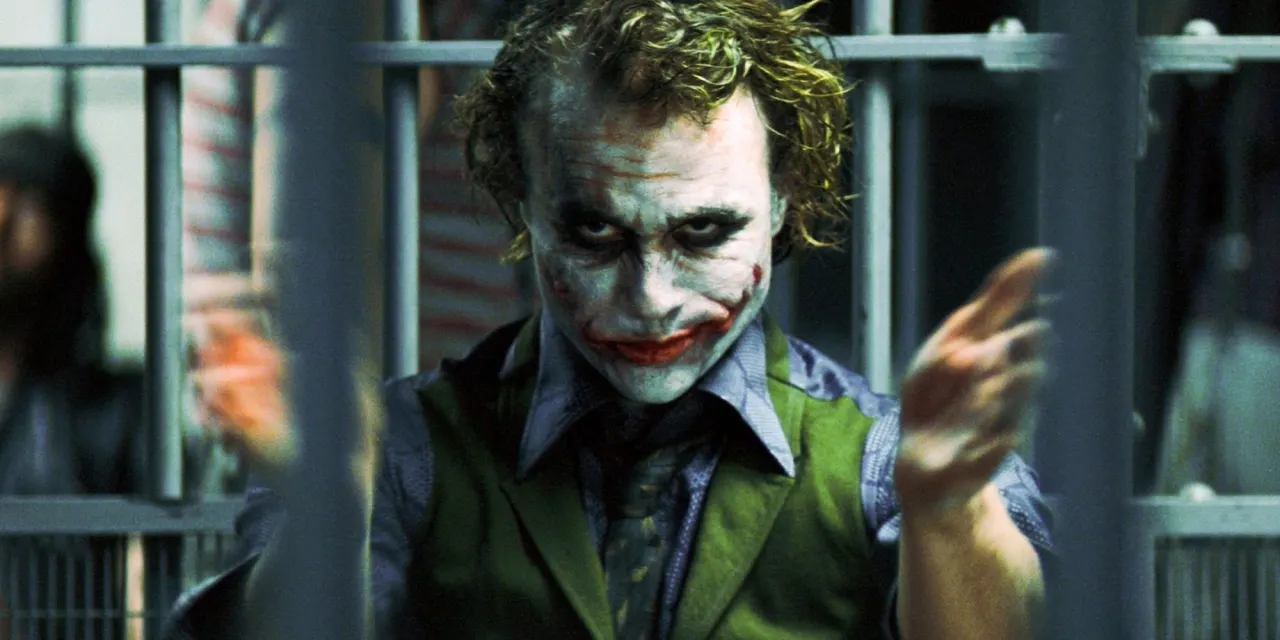
A new interview reveals that the most iconic line from Christopher Nolan's *The Dark Knight* — Harvey Dent's "You either die a hero, or live long enough to see yourself become the villain" — was not written by Nolan himself but by his brother and frequent co-writer, Jonathan Nolan. Speaking with Cillian Murphy, Nolan admitted the line still "plagues" him precisely because it is the one that resonates most with audiences, yet he cannot claim credit for it, adding that it "kills" him. This matters because Nolan writes all his own films but is often criticised for clunky dialogue, making this widely quoted exception notably significant to his legacy.
Jonathan Nolan has long worked alongside his brother, contributing the source story for *Memento* and co-writing *The Prestige*, both *Dark Knight* films and *Interstellar*, with Christopher's wife, Emma Thomas, producing throughout. Since their last collaboration, Jonathan has built an independent career, creating *Person of Interest* and *Westworld* for television and producing/directing Amazon's *Fallout*. Nolan reflected that the line's power lies in its universal theme of society building people up only to tear them down, which he said applies both to Batman and to Dent's downfall as Gotham's district attorney.
In short
- Dark Knight's famous "die a hero" line was written by Jonathan Nolan, not Christopher.
- Christopher Nolan says the line "plagues" him as it resonates most.
- Jonathan Nolan has long co-written with his brother across several major films.
Explained simply
The Dark Knight is a 2008 film about Batman, the masked crime fighter in Gotham City, and Harvey Dent, the city’s district attorney. Dent is presented as a public figure trying to challenge organised crime, while the Joker’s actions test the city’s faith in its leaders.
Christopher Nolan directed and co-wrote the film with his brother Jonathan, a screenwriter and television producer who has often collaborated with him. The story matters to the brothers’ work because audiences and critics have discussed the films’ dialogue, while the line in question has become a widely recognised reflection on reputation and how public opinion can change.