Newport residents face noise and lost sunlight from datacentre expansion
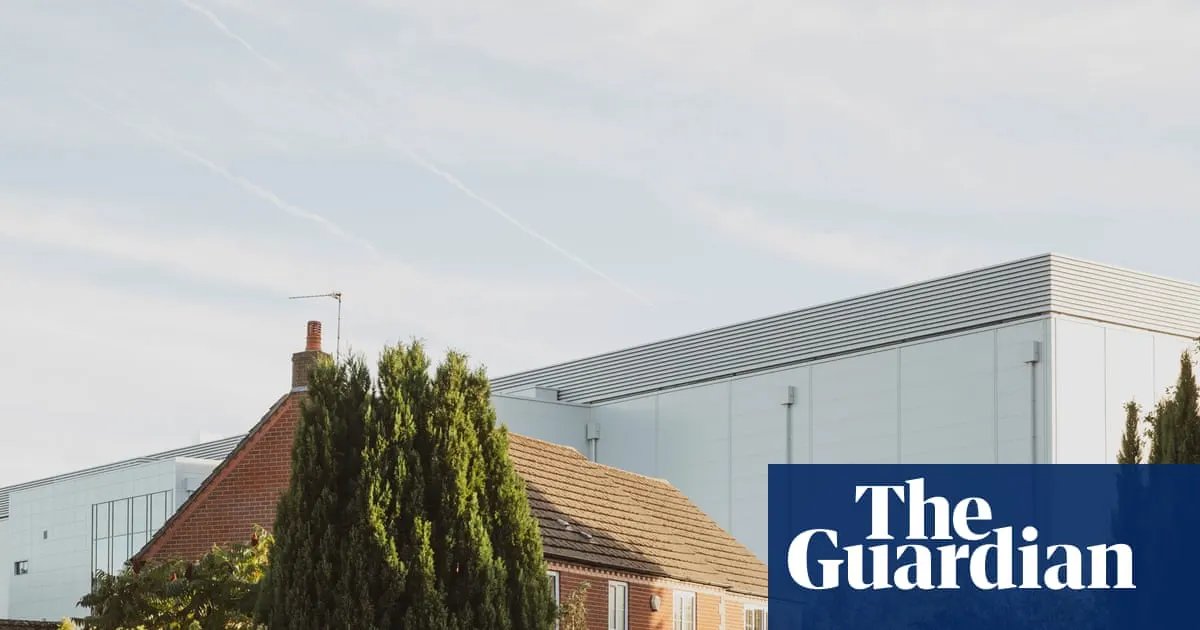
A large datacentre campus in Newport is changing life for residents of 27 nearby homes, who report lost sunlight and noise from an existing facility and fear further disturbance when the new site opens. Their concerns form part of a wider dispute over Britain’s rapid datacentre expansion: supporters say the facilities bring jobs and economic benefits, while local campaigners question who gains and who bears the costs.
The Newport campus covers 46 acres, and the new building is 23 metres high, with 36 air coolers and 60 backup diesel generators. Across Britain, 315 hyperscale datacentres are waiting for grid connections and would together require 73GW of power, compared with typical peak demand of 45GW. Wales is a major development hotspot, and the government has promoted new facilities through AI growth zones despite calls for a pause.
In short
- Newport residents fear noise and disruption from a growing datacentre campus.
- 315 planned hyperscale centres would need 73GW of electricity.
- The dispute reflects wider questions about who benefits from the AI boom.
Steelman: both sides, in good faith
The strongest fair case each way — we don't pick a winner.
The case for
Datacentres can support AI and other digital services that households, businesses and public bodies increasingly rely on, while bringing investment, jobs and economic activity to the areas that host them. Supporters may argue that expanding capacity is important for Britain’s competitiveness and that concerns about noise, sunlight and power use should be addressed through planning standards and practical mitigation rather than a broad pause.
The case against
Residents and campaigners may argue that the local costs—noise, reduced sunlight, disruption and pressure on the electricity grid—fall on nearby communities, while the wider gains may be uncertain or distributed elsewhere. With hundreds of proposed facilities awaiting connections and projected power needs exceeding typical peak demand, they may see a pause or tighter limits as a prudent way to assess infrastructure needs and ensure local impacts are fairly weighed.
Explained simply
Datacentres are buildings that house computer servers and the equipment needed to keep them running. Larger facilities use substantial amounts of electricity and need cooling systems, while backup generators can provide power during outages.
Newport’s campus is part of a wider growth in datacentres across Britain, including in Wales. These facilities support online services and artificial intelligence, and are promoted as a source of jobs and investment.
Their expansion can also affect nearby communities through noise, changes to the local landscape and demands on electricity networks. The debate is over how to balance the benefits of new infrastructure with its effects on residents and the power supply.
AI Business Technology UK World
Read the full article at the source →
Originally published by The Guardian as “The datacentre next door: on the frontline of tech’s latest David v Goliath battle”.