‘The Death of Robin Hood’ Isn’t Reinventing the Legend, It’s Returning to Its Darkest Roots
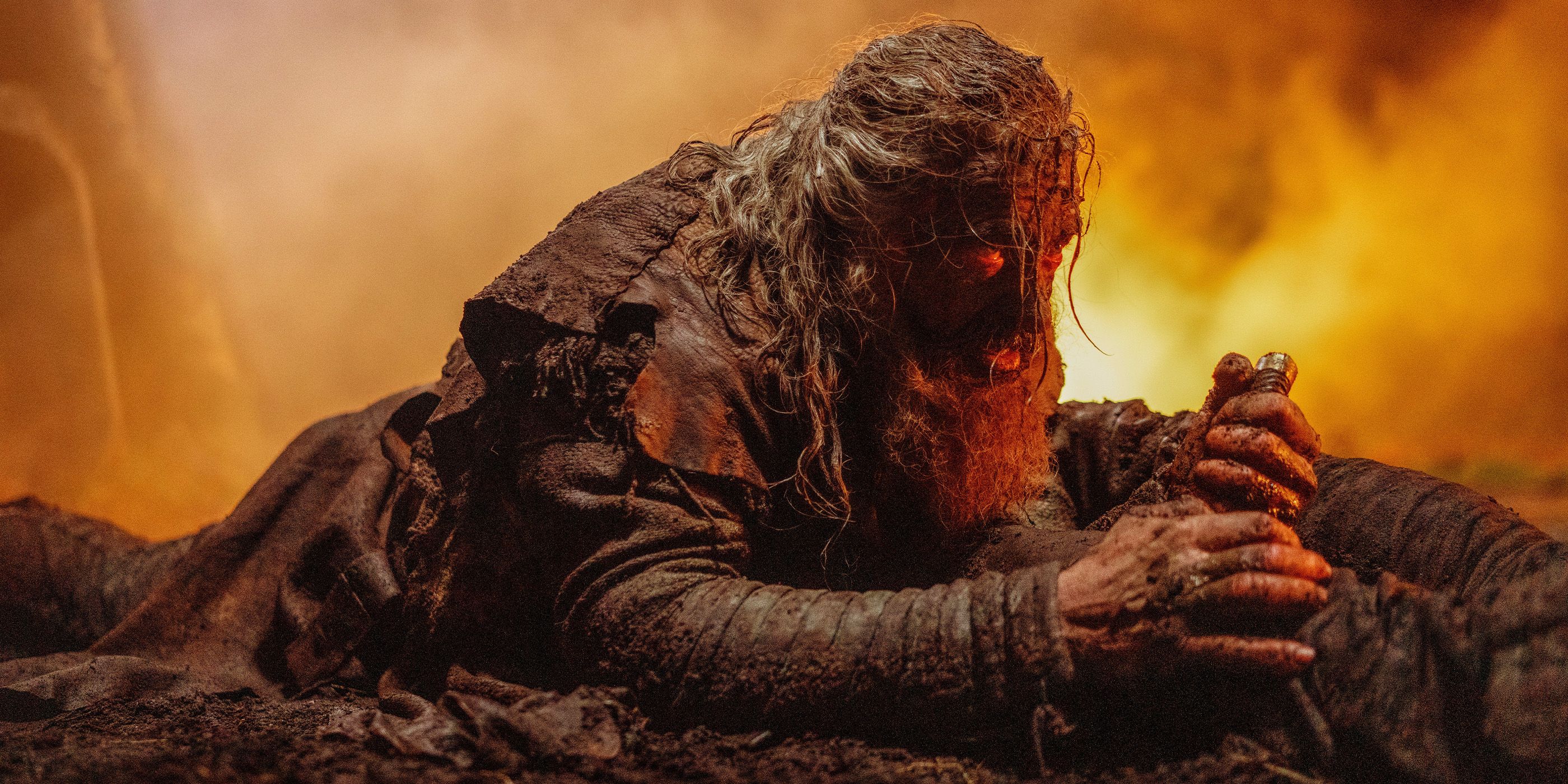
The new film 'The Death of Robin Hood,' starring Hugh Jackman and directed by Michael Sarnoski, reimagines the legendary outlaw as a weathered, isolated figure haunted by his violent past rather than the romanticised folk hero of popular culture. Where traditional adaptations—from Errol Flynn to Disney—have celebrated Robin Hood as an incorruptible champion defending the poor, this interpretation presents him as a bloodthirsty bandit willing to murder to conceal his identity, refusing to minimise his brutal history.
The article argues that rather than reinventing the character, the film returns Robin Hood to his authentic historical roots. Medieval and early modern ballads, composed during the Black Death era, portrayed Robin Hood as a morally ambiguous outlaw who solved problems through violence and intimidation rather than noble principles. The film draws from a 17th-century ballad titled 'Robin Hood's Death,' which concludes with the legendary outlaw dying alone and weakened, unable to escape the inexorable toll of time and consequence—a sobering reflection on mortality that exposes the distance between cultural mythology and the character's darker original depiction.
- New 'Death of Robin Hood' film portrays the outlaw as a violent, isolated bandit rather than the romanticized hero of traditional adaptations
- The darker portrayal returns to the character's medieval and early modern origins, which depicted him as a morally ambiguous figure relying on intimidation and bloodshed
- The film, based on a 17th-century ballad, explores mortality and legacy through Robin Hood's solitary death—confronting the gap between legend and historical reality
Americas Art Cricket Culture Paranormal Sport Weird & Viral World