World news and discussion on TalkFuse.
The decline of Quality Street: How iconic British sweets founded by Yorkshire family are now packed with palm oil and ‘harmful’ additives – as customers say they ‘taste like wax’
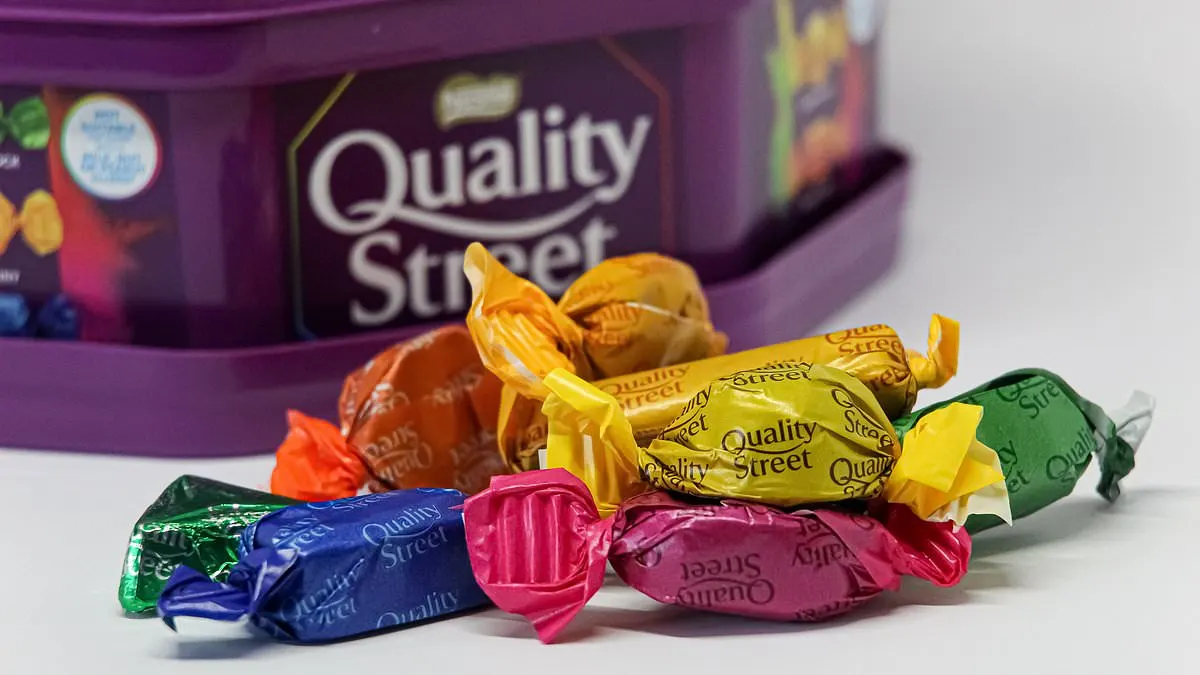
Quality Street customers have criticised changes to the festive sweets, saying they taste worse and, in some cases, waxy. A comparison of ingredients suggests that the recipe has shifted towards sugar and vegetable fats, while milk chocolate and some real fruit ingredients listed in 2001 are absent from current versions.
Palm oil was introduced over the past 20 years and is criticised by some chocolate makers for its taste and texture. Nestlé has also reduced tub sizes from 600g in 2024 to 550g in 2025 and this week abandoned a trial of paper packaging; the sweets remain legally described as assorted milk and dark chocolates and toffees.
In short
- Customers say Quality Street tastes worse and waxy.
- Sugar has replaced milk chocolate at the top of the ingredients list.
- Tub sizes fell from 600g to 550g.
Steelman: both sides, in good faith
The strongest fair case each way — we don't pick a winner.
The case for
Customers have a reasonable basis for saying the sweets have lost some of their former quality: ingredient comparisons indicate less milk chocolate and fruit, alongside more sugar and vegetable fats, and some people find the resulting taste and texture waxy. The smaller tubs and the abandoned paper-packaging trial may also reinforce concerns that the product is changing in ways customers do not welcome.
The case against
Recipe changes can reflect efforts to keep a familiar product affordable, consistent and practical to manufacture at scale, while remaining within its legal description as assorted chocolates and toffees. Palm oil and other additives are permitted ingredients, and differences in taste are partly subjective; the reported comparisons do not by themselves establish that the current sweets are harmful or that every customer will prefer the older recipe.