Entertainment news and discussion on TalkFuse.
The “dense” 1971 Led Zeppelin song Jimmy Page could never repeat: “It can’t be done”
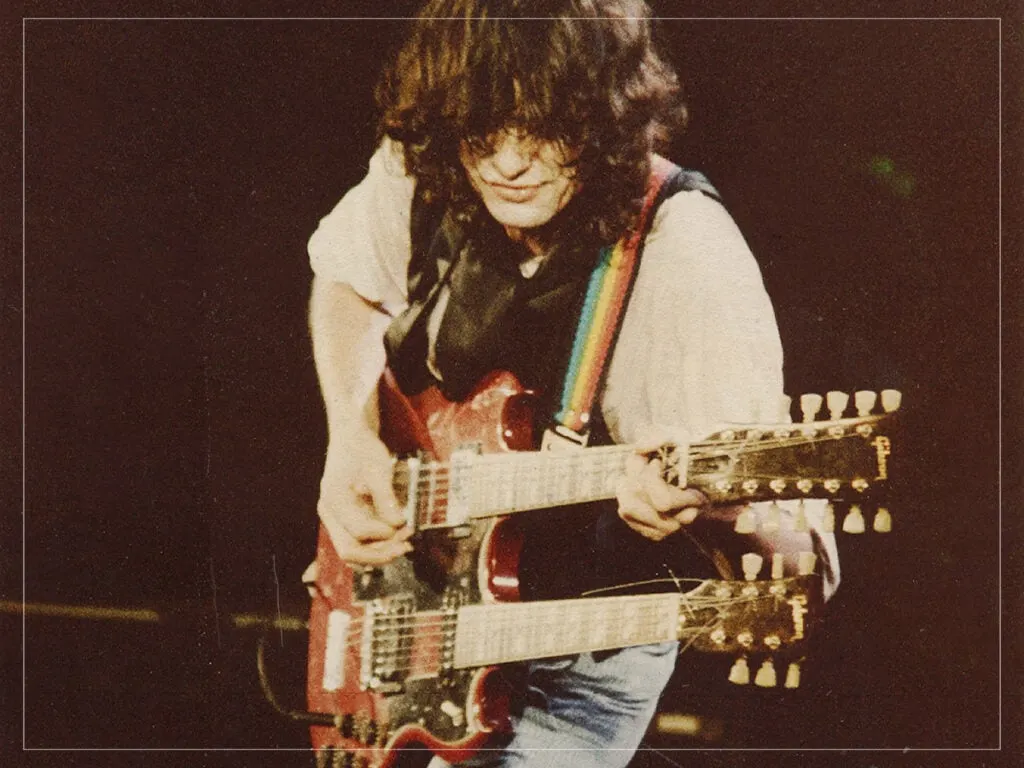
The article examines Led Zeppelin’s 1971 recording of ‘When the Levee Breaks’, which Jimmy Page regarded as impossible to reproduce faithfully onstage. Its unusually dense studio construction made it a defining example of how the band used recording techniques to create a sound beyond a conventional live performance.
Released on Led Zeppelin IV, the track was built around John Bonham’s heavily processed drum pattern, with backwards harmonica, echo, phasing and flanging layered into the mix. Page said the sound continually spiralled around Robert Plant’s vocal through panning and studio effects, concluding that recreating it live “can’t be done”.
In short
- ‘When the Levee Breaks’ relied on dense studio production.
- Page said its full sound could not be recreated live.
- Bonham’s processed drums underpin the recording.
Explained simply
Led Zeppelin were a British rock band whose fourth album, released in 1971, became one of their best-known records. “When the Levee Breaks” draws on an older blues song about floods and the failure of river banks.
The recording centres on drummer John Bonham’s powerful beat, with singer Robert Plant and guitarist Jimmy Page among the band members heard around it. Page used studio effects and layered sounds to shape the track, showing how recording could create music that was difficult to reproduce in a live performance.