Technology news and discussion on TalkFuse.
The designer of Atari’s notorious E.T. likens the deluge of AI games to events that preceded the ’80s industry crash: ‘There was a glut of crap on the market’
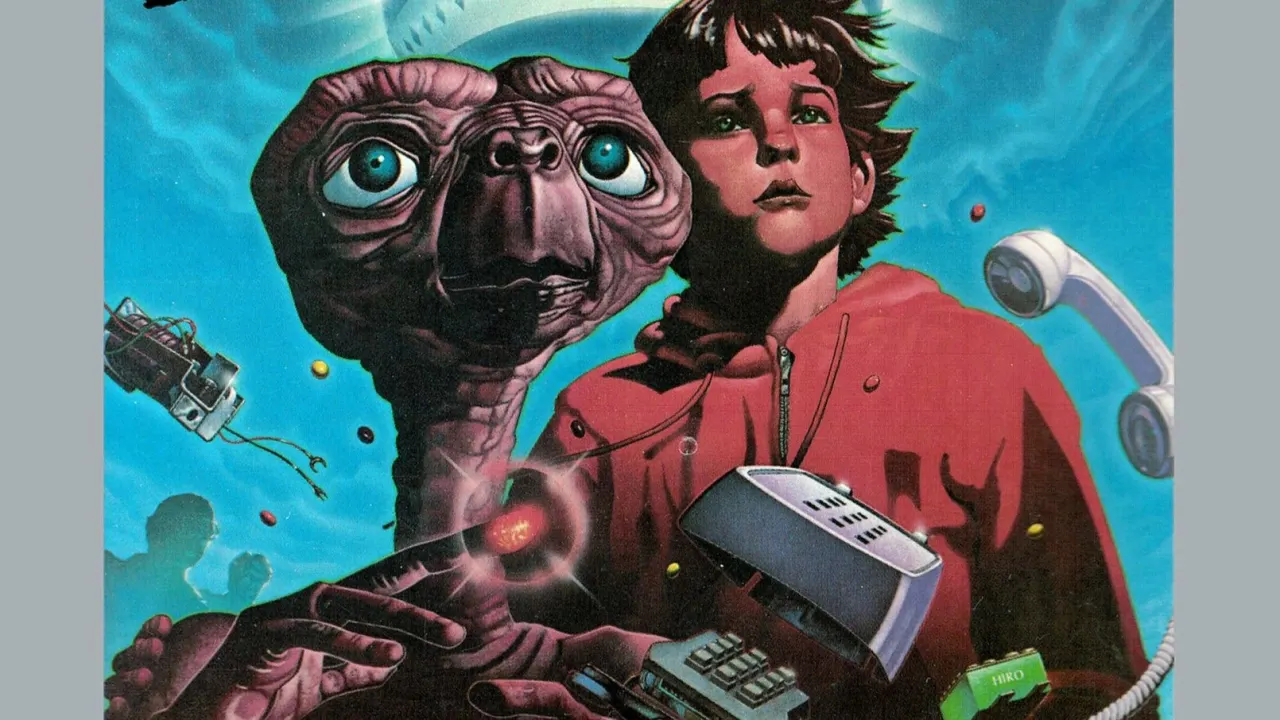
Howard Scott Warshaw, designer of Atari’s 1982 game E.T., says the flood of AI-made games recalls the glut of low-quality titles that contributed to the 1983 US video game crash. He expects AI to make game creation accessible to far more people, overwhelming storefronts and making it harder for players to find worthwhile games.
Warshaw said tools can compress development that once took weeks or months into days. He believes most AI-assisted games will be uninteresting, but that the same tools could help people with strong, original ideas bring them to life. Rather than predicting another industry crash, he expects a reorganisation focused on better ways to filter games; the article also notes that ideas alone do not guarantee a great game.
In short
- AI tools are accelerating game production.
- Warshaw sees echoes of the 1983 crash.
- He expects better filtering, not another crash.
Steelman: both sides, in good faith
The strongest fair case each way — we don't pick a winner.
The case for
A surge of AI-made games could make it harder for players to find worthwhile titles, as storefronts fill faster than people can assess them. Warshaw’s comparison with the 1980s suggests that when low-quality releases crowd the market, trust and discoverability can suffer; better curation may be needed to protect both players and creators.
The case against
Making games quicker and more accessible could let more people turn original ideas into playable experiences, including creators who lack the time or resources for traditional development. A larger number of releases does not by itself mean another industry crash: improved discovery tools could help audiences find good games, while experimentation may produce work that established studios would not have made.