The Diamond Moon and Other Astronomical Events To See in September 2026
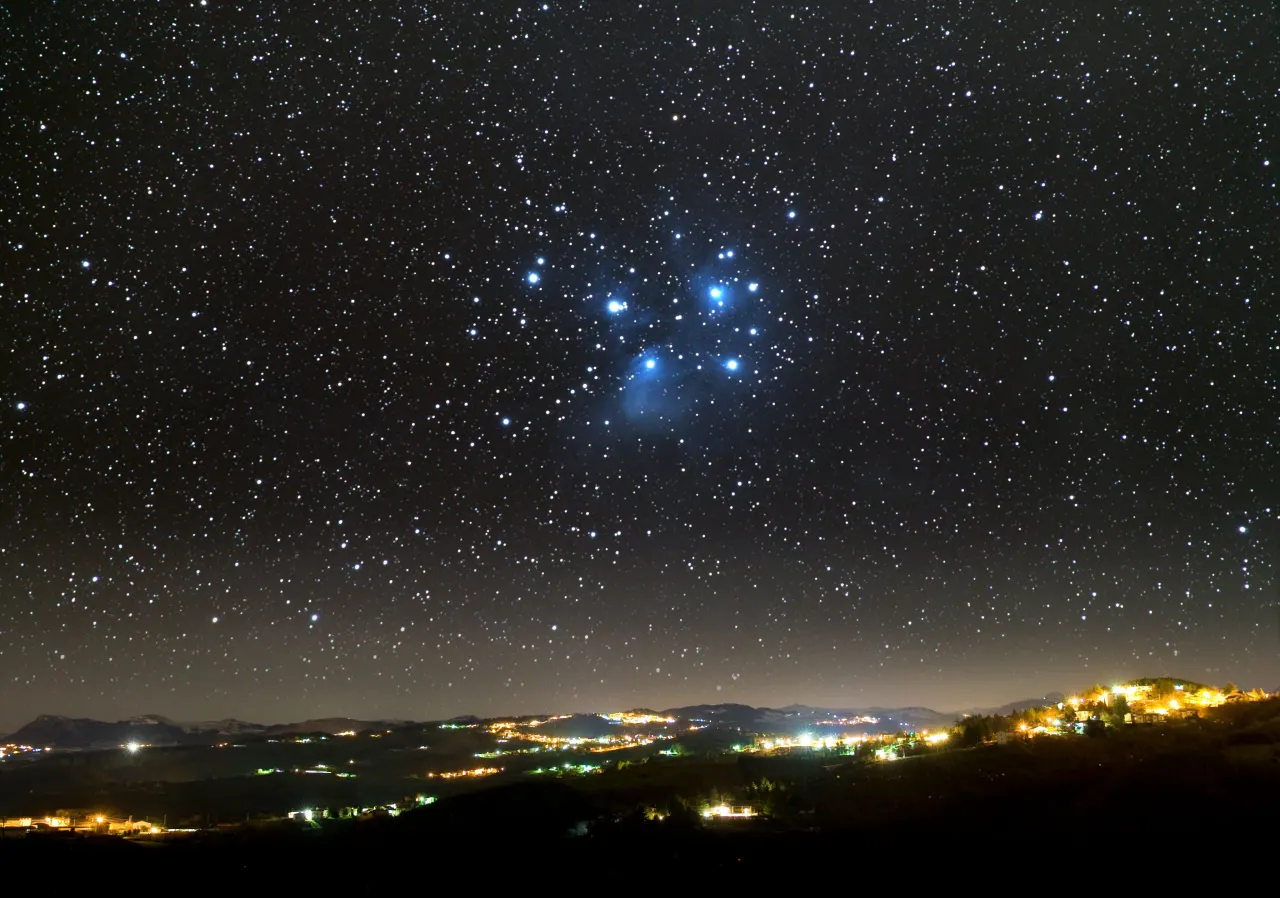
September 2026 offers a busy calendar of night-sky events, including a close pairing of Venus and Spica, the Moon crossing near the Pleiades star cluster, a minor meteor shower, Venus reaching peak brightness, the autumn equinox, and a good window for spotting Neptune. These events matter for stargazers because several require no special equipment, offering easy naked-eye viewing opportunities throughout the month with a few benefiting from binoculars or a telescope.
Highlights include Venus and Spica appearing roughly 1.5 degrees apart on 1–2 September, and the Moon sitting close to the Pleiades on 3 September (repeating on 30 September). The Epsilon Perseids meteor shower peaks on 9–10 September with up to eight meteors per hour, aided by a dark, moonless sky. Venus reaches its brightest point of the year on 22 September at magnitude -4.8, the equinox falls on 23 September marking the start of autumn in the northern hemisphere, and Neptune reaches its best viewing position around 26 September.
- Venus and Spica appear close together on 1–2 September
- Moon meets the Pleiades cluster on 3 and 30 September
- Venus hits peak brightness on 22 September; equinox falls on 23rd
New here? Start with this
A planet can look like a bright star because it reflects sunlight, while stars such as Spica produce their own light. Star clusters are groups of stars that appear close together in the sky, and meteor showers happen when Earth passes through trails of dust and debris left by comets or asteroids.
Some events are visible to the naked eye, while binoculars or a telescope can help with fainter objects such as distant planets. How much people can see depends on local weather, light pollution and where they are in the world. The September equinox is the point in Earth’s orbit when day and night are roughly equal in length; in the northern hemisphere, it marks the start of autumn.