World news and discussion on TalkFuse.
The disastrous 1997 movie that “burned” Bruce Willis’ career for years: “It made him suspicious”
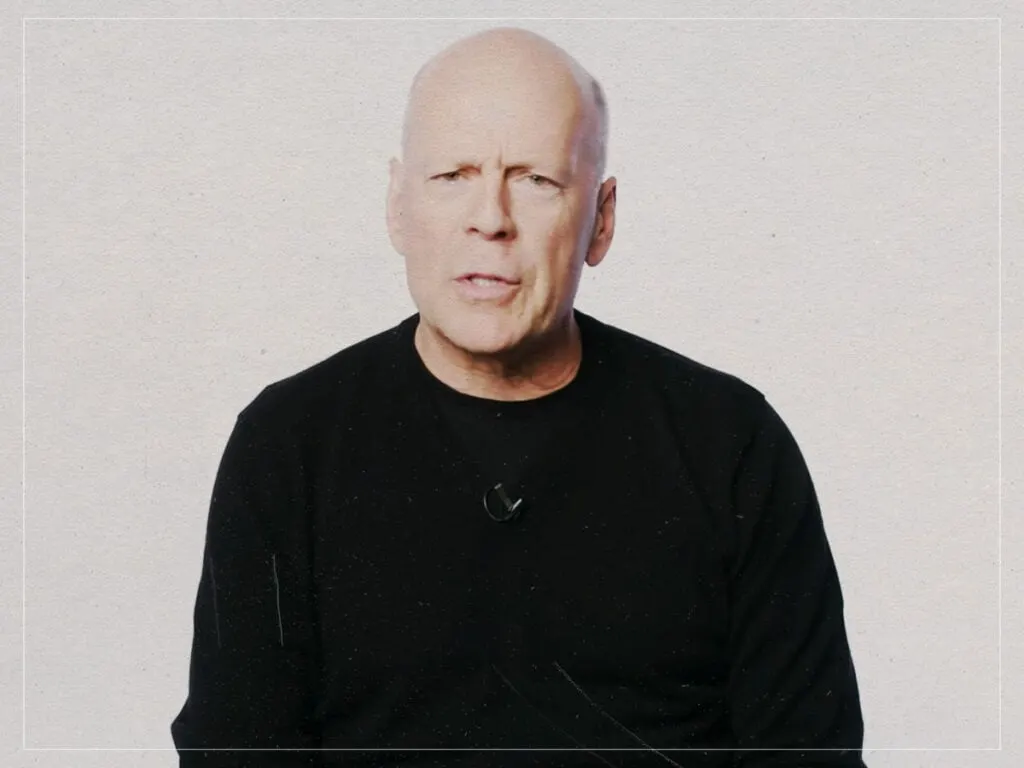
Bruce Willis's career took a significant hit in 1997 after he abandoned the set of the romantic comedy Broadway Brawler, an incident that reportedly damaged his standing with financiers and distributors for years afterwards. Disney subsidiary Buena Vista Pictures had been funding the project, and the actor's reputation for being difficult on set, already established through experiences such as Richard E Grant's troubled time working with him on Hudson Hawk, came to a head when he walked away three weeks into filming, causing several crew members to quit and the production to collapse entirely.
Disney had already spent almost $15 million on the film when it was scrapped, and the studio subsequently sued Willis for $17.5 million over breach of contract. Rather than pay the settlement, he agreed to appear in three films for Disney at a significantly reduced fee, well below his usual $20 million rate. Two of those films, Armageddon and The Sixth Sense, went on to gross more than a billion dollars combined at the box office, while the third, The Kid, made far less of an impact, meaning Willis ultimately emerged from the episode in a strong position despite the initial fallout.
In short
- Willis abandoned Broadway Brawler's set in 1997, collapsing the production
- Disney sued him for $17.5 million over the breach of contract
- He settled by making three films, including hits Armageddon and The Sixth Sense
Steelman: both sides, in good faith
The strongest fair case each way — we don't pick a winner.
The case for
Those who view Willis's decision sympathetically argue that actors must retain agency over their labour and wellbeing, and that circumstances may justify departure despite contractual obligations. The settlement ultimately proved mutually beneficial; the remarkable commercial success of Armageddon and The Sixth Sense suggests that proceeding with a willing performer proved more valuable than forcing an unwilling one to complete a failing production.
The case against
Those who criticise Willis's conduct emphasise that contract breaches undermine the film production system. His mid-production departure caused direct harm to crew members, investors, and the studio; professional responsibility demands honouring commitments or negotiating proper alternatives in advance. That Willis eventually prospered financially does not vindicate the initial breach and sets a troubling precedent that wealth and status can exempt one from professional accountability.
Explained simply
Bruce Willis was one of Hollywood’s biggest stars in the 1990s, with the power to attract audiences and command high fees. But a leading actor’s reputation with studios and film financiers can also shape which projects they are trusted to make.
Broadway Brawler was a romantic comedy backed by Buena Vista Pictures, Disney’s film division. Its collapse followed a breakdown in the working relationship between Willis and the production, against a backdrop of reports that he could be difficult to work with.
The dispute mattered because the studio had invested heavily and could seek compensation when a contracted film fell apart. It also led to a deal that tied Willis to several Disney films, illustrating how a costly production failure can affect an actor’s pay and future work.
Americas Entertainment Film World