The disturbing rise of ‘colonial nostalgia’ travel
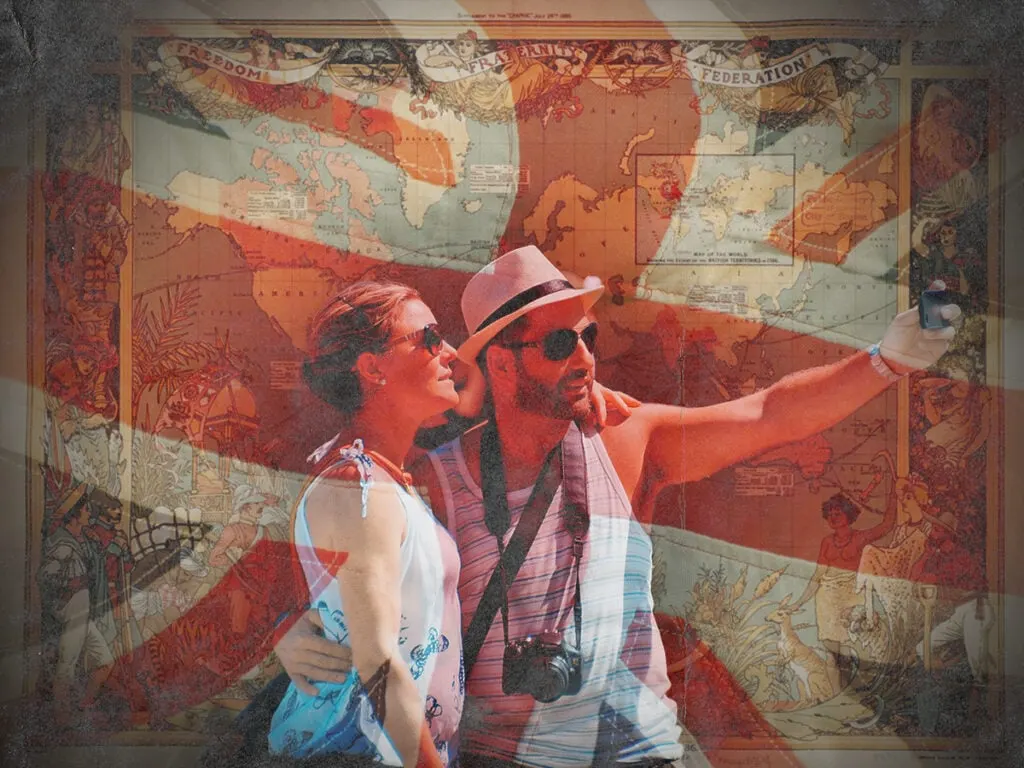
Colonial-era imagery and experiences are being used to market holidays in former British colonies, often through luxury hotels, heritage sites and language that evokes a supposedly elegant “bygone era”. The article argues that this trend can turn imperial rule into an appealing aesthetic while obscuring the oppression and violence that accompanied it.
Examples include tea at Singapore’s Raffles and Zimbabwe’s Victoria Falls Hotel, Raj-era clubs and “heritage stays” in India, and colonial landmarks in Hong Kong, where the past has also been adopted as political symbolism. The article singles out online nostalgia for Rhodesia, where social media clips present the country as prosperous under white rule, a portrayal it says carries racist implications; it also notes that recent failures do not erase the realities of colonial rule.
- Luxury tourism can package colonial history as an elegant nostalgia.
- Heritage sites sit alongside histories of oppression and violence.
- Online idealisation of Rhodesia carries racist implications.
New here? Start with this
Britain’s empire once governed territories across Asia, Africa and elsewhere, shaping their borders, economies and institutions. Colonial rule varied from place to place, but often involved unequal political power and the exploitation of local people and resources.
Hotels, clubs and heritage sites in former colonies sometimes draw visitors with links to that past, such as period interiors, tea rituals or references to the Raj. Some people value these places as historic buildings or cultural landmarks; others question how they present an era marked by coercion and racial hierarchy.
Rhodesia was the name used for what is now Zimbabwe during white-minority rule, which ended with independence in 1980. Online portrayals of life then can leave out the restrictions and unequal rights imposed on the Black majority, making the history relevant to current debates about race, memory and tourism.
Both sides, in good faith
The strongest fair case each way — we don't pick a winner.
The case for
Using colonial-era settings in tourism can preserve historic buildings, support local businesses and offer visitors a tangible way to learn about the past. Supporters may see period styling or heritage experiences as cultural interpretation rather than an endorsement of imperial rule, provided the history is presented honestly and includes the people who lived under it.
The case against
Marketing empire as an elegant bygone era can make domination and racial hierarchy seem benign, especially when luxury and nostalgia eclipse the coercion and violence of colonial rule. Critics argue that this framing can also legitimise present-day political narratives, as in idealised portrayals of Rhodesia, and that tourism should not turn injustice into an attractive backdrop without meaningful context.