Culture news and discussion on TalkFuse.
The economy is on the ballot. 3 charts reveal the reality voters face as they head to the polls
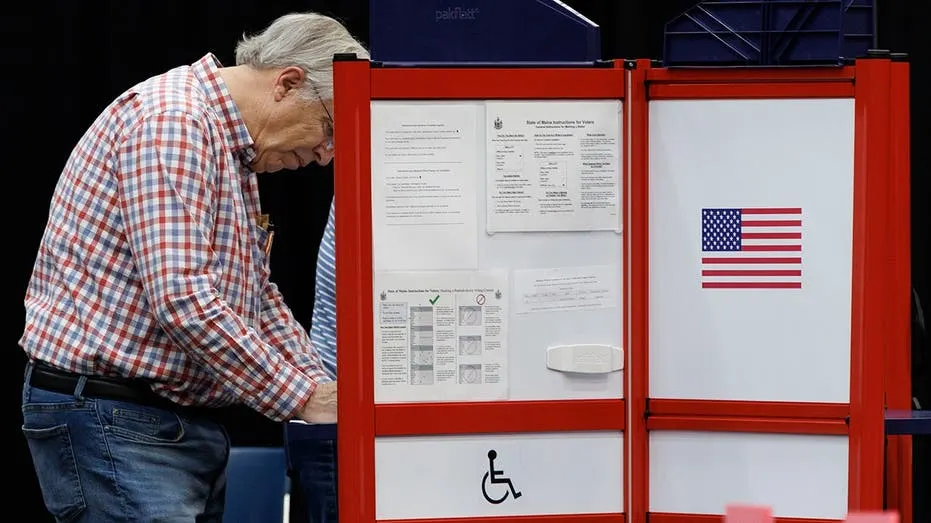
Voters heading into the US midterm elections face rising everyday costs, higher fuel prices and expensive housing, putting Republican promises of affordability under scrutiny. The economic pressures matter as control of Congress hangs in the balance and voters consider President Donald Trump’s record and agenda.
Consumer prices rose 3.7% in the year to September, while a New York Federal Reserve study estimated tariffs added about 2.9 percentage points to prices for goods it examined. Diesel reached $6.53 a gallon in October, up from about $3.45 in early 2025, and September petrol prices rose 9.1%. The average 30-year mortgage rate was 7.24% on 29 October, and the median existing-home price was $417,500 in September; these figures show costs, but not who voters will blame.
In short
- Inflation and fuel prices are adding to household costs.
- Diesel reached $6.53 a gallon in October.
- Mortgage rates and home prices are making buying harder.
Steelman: both sides, in good faith
The strongest fair case each way — we don't pick a winner.
The case for
The figures suggest that voters are still facing a substantial affordability problem, despite promises to bring costs down. Rising prices, fuel and housing costs give critics grounds to question whether the administration’s economic agenda is helping households, and the reported tariff effect offers one possible explanation for higher goods prices.
The case against
The figures describe real pressures but do not by themselves show how much any one administration or policy caused them, or how voters will assign responsibility. Supporters can argue that inflation, fuel and housing costs have multiple causes and that judging an economic agenda requires looking beyond a few costly categories and a short period.
Explained simply
The US midterm elections are held halfway through a president’s four-year term. Voters choose members of Congress, which makes federal laws and approves spending; control of either chamber can affect how much of a president’s agenda becomes law.
Prices for everyday goods, fuel and homes shape household budgets, but several forces can influence them, including supply, demand and government trade policies such as tariffs. The figures describe costs; they do not show how individual voters experience them or whom they hold responsible.
President Donald Trump and his fellow Republicans have made affordability a political issue. The election will test how voters view the economy and the president’s record, while determining which party has greater influence in Congress.
Americas Art Business Culture Economy Elections Government Politics World