Science news and discussion on TalkFuse.
EPA moves to scrap power plant emission regulations
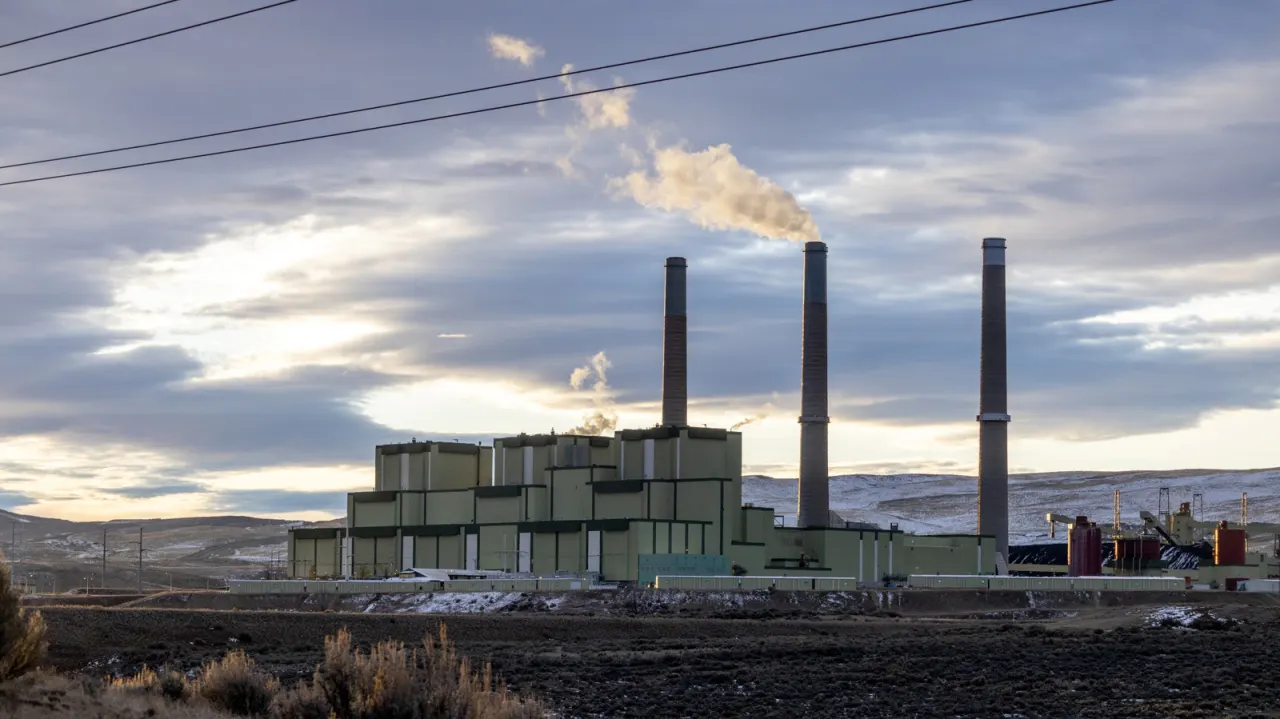
The US Environmental Protection Agency (EPA) is moving to eliminate limits on greenhouse gas emissions from power plants, according to reporting by the New York Times. The plan involves rescinding a Biden-era rule requiring plants to cut most emissions by 2039 or shut down, alongside a broader legal argument that the EPA lacks authority to regulate such emissions under the Clean Air Act at all. Campaigners warn the move could permanently strip future administrations of the power to regulate power-plant emissions, at a time when UN scientists continue to link greenhouse gases to more frequent and severe extreme weather.
The action follows the EPA's decision in February 2026 to scrap the 2009 "Endangerment Finding", which had established the health risks of greenhouse gases and underpinned the agency's regulatory authority, as well as the United States' withdrawal from the Paris Agreement in 2025 and other international climate bodies earlier in 2026. The justification for the new rule rests on claims, disputed by scientists, that greenhouse gas emissions pose no harm to public health or the environment. Legal challenges are expected, mirroring the response to the Endangerment Finding repeal, though campaigners note that even a successful court challenge could take years to resolve—time they say the planet cannot afford given accelerating global warming.
In short
- EPA seeks to scrap greenhouse gas limits on power plants entirely
- Move builds on earlier repeal of the 2009 Endangerment Finding
- Legal challenges expected, but resolution could take years
Steelman: both sides, in good faith
The strongest fair case each way — we don't pick a winner.
The case for
Supporters of rescinding the limits argue that major rules should rest on clear authority granted by Congress, and that the Clean Air Act may not authorise the EPA to impose sweeping controls on power plants’ greenhouse gas emissions. They may also argue that costly requirements could raise electricity prices or threaten reliability, so climate policy with broad economic effects should be set by elected lawmakers, who can weigh those trade-offs directly.
The case against
Opponents argue that greenhouse gas emissions contribute to serious health and environmental harms, giving the EPA a responsibility to regulate them under the Clean Air Act. They warn that removing the limits and denying the agency’s authority could leave power-plant emissions unchecked, constrain future administrations, and delay action while climate risks intensify.
Explained simply
The Environmental Protection Agency is the US government body responsible for protecting public health and the environment. Power plants burn fuels such as coal and gas to generate electricity, releasing greenhouse gases including carbon dioxide. These gases trap heat in the atmosphere, and scientists say rising emissions contribute to climate change.
The Clean Air Act is a US law that gives the EPA powers to limit air pollution. A 2009 agency finding linked greenhouse gases to risks to health and the environment, providing a basis for later rules on emissions. The finding and the agency’s powers have since become the subject of political and legal disputes.
The debate matters because limits on power-plant emissions can affect how electricity is produced and how much greenhouse gas the US releases. It also concerns how much authority the EPA, and future administrations, have to regulate those emissions under the Clean Air Act.
Read the full article at the source →
Originally published by Engadget as “The EPA wants to stop regulating power plant emissions”.