World news and discussion on TalkFuse.
The Ette Ennaka, the Indigenous people fighting to reclaim their place in Colombia’s Sierra Nevada
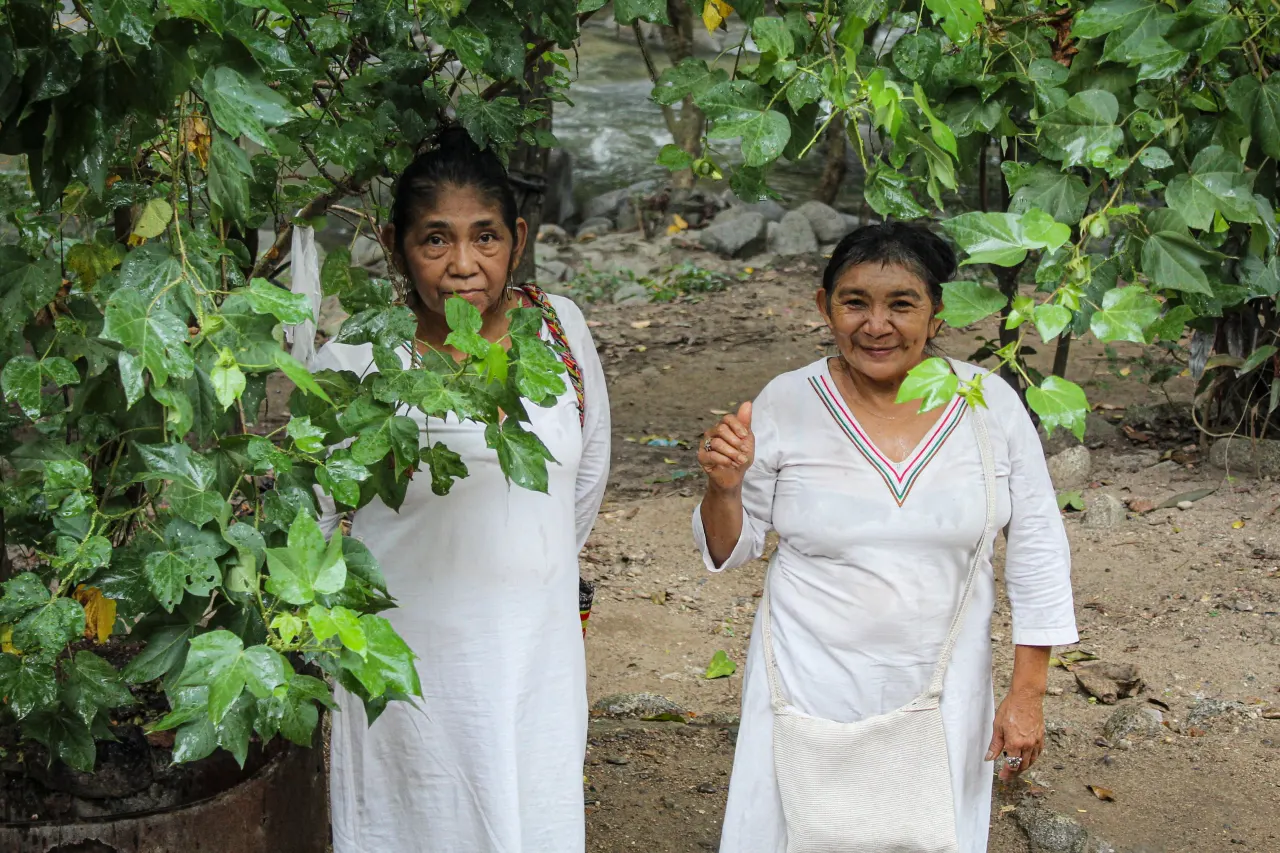
The Ette Ennaka, an Indigenous people in Colombia’s Sierra Nevada, are seeking recognition of their ancestral territory and rights after a new bill protecting the mountain range’s spiritual boundaries named four other Indigenous peoples but did not explicitly include them. Their exclusion has renewed concern that their community could be overlooked in decisions about the Línea Negra, which requires consultation before projects affecting sacred sites proceed.
The Línea Negra covers about 573,000 hectares and was formalised in 2018; a court struck down its decree in February 2026 after finding that communities including the Chimila, as the Ette Ennaka were formerly known, had not been consulted. President Gustavo Petro signed a replacement decree in May, giving the Ette Ennaka an opening to press their claims. Once declared extinct in colonial records, they survived displacement and violence while preserving their language and identity.
In short
- The Ette Ennaka are seeking recognition in protections for the Sierra Nevada.
- A court ruled that the Chimila should have been consulted on the Línea Negra.
- The territory covers about 573,000 hectares and holds spiritual importance.
Steelman: both sides, in good faith
The strongest fair case each way — we don't pick a winner.
The case for
The Ette Ennaka have a strong claim to explicit recognition: the court found that communities including them were not consulted, and their history of displacement and mistaken declarations of extinction makes the risk of being overlooked especially significant. Naming them in protections for the Línea Negra could help ensure they are consulted about projects affecting sites they regard as sacred and have a meaningful voice in decisions about their ancestral territory.
The case against
A thoughtful case for the bill’s current approach is that legal protections must be grounded in clear evidence about which communities hold rights in particular places, and that naming groups should follow careful consultation rather than resolve contested claims by assertion. The bill may also be intended to protect the mountain range’s spiritual boundaries through recognition of four peoples without ruling out the Ette Ennaka’s claim; their status could be addressed through the replacement decree and further consultation.
Explained simply
The Ette Ennaka are an Indigenous people in Colombia’s Sierra Nevada, a mountain range they regard as part of their ancestral territory. Colonial records once described them as extinct, but the community survived displacement and violence and has maintained its language and identity.
The Línea Negra is a protected zone linking sacred places around the mountain range; it covers about 573,000 hectares. Rules for the zone require consultation with Indigenous communities before projects that could affect those places go ahead.
The Ette Ennaka, also formerly known as the Chimila, are seeking formal recognition of their territory and rights. Their inclusion matters because decisions about the Línea Negra can affect their access to sacred sites and whether their views are heard in plans for the region.