Business news and discussion on TalkFuse.
Burnham set to finalise UK-EU reset covering rules, payments and youth mobility
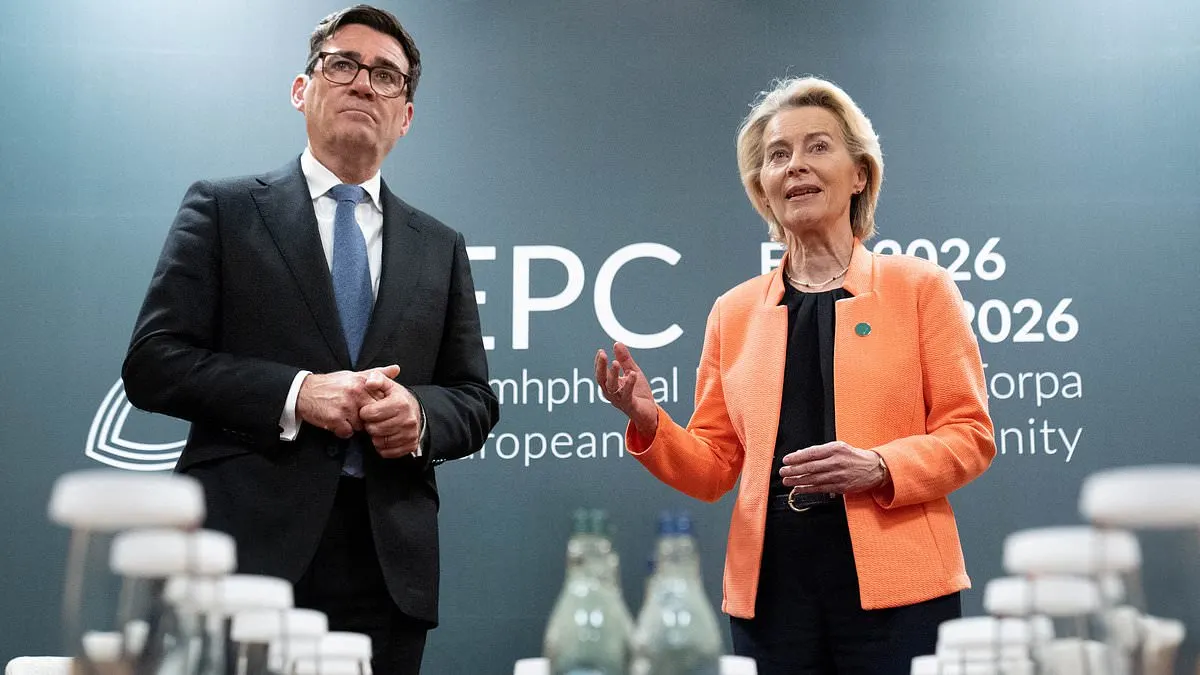
Andy Burnham is due to finalise a UK-EU “reset” package in Brussels, which the government says will improve trade, lower household costs and create opportunities for young people. The proposed concessions have prompted criticism from Kemi Badenoch and Nigel Farage, who argue the terms could draw Britain closer to EU rule-making and raise the prospect of rejoining the bloc.
The package is reported to include following EU food rules, a UK financial contribution and a youth mobility scheme for around 100,000 Europeans a year, double the UK’s original proposed limit. A possible reduction in tuition fees for EU students, which could cost taxpayers hundreds of millions of pounds annually, appears to have been postponed for six months. The deal is also expected to include penalties potentially worth billions if a future government withdraws; migration co-operation, including a possible scheme involving Rwanda, remains under discussion.
In short
- UK and EU are set to agree a closer partnership.
- The proposed youth mobility scheme could cover 100,000 Europeans annually.
- Tuition fee terms and migration co-operation remain unsettled.
Steelman: both sides, in good faith
The strongest fair case each way — we don't pick a winner.
The case for
Supporters could argue that closer alignment on food rules would reduce trade friction, help businesses and ease costs for households, while a financial contribution is a reasonable price for practical access and co-operation. A youth mobility scheme could strengthen cultural and economic ties and give young people more opportunities, with negotiated penalties helping make the arrangement reliable over time.
The case against
Critics could argue that adopting EU rules and making payments may limit Britain’s ability to set its own policies without guaranteed lasting benefits. A larger youth mobility scheme and potentially costly commitments could also impose public costs or constrain future governments, so they may favour a narrower, more reversible agreement.
Explained simply
The UK left the European Union in 2020, ending its participation in the EU’s single market and customs union. Since then, the two sides have made separate agreements on trade and other areas, while facing new checks and rules for some goods moving between them.
Andy Burnham is a UK politician involved in talks with the EU; Kemi Badenoch and Nigel Farage are among the politicians criticising closer ties. The debate concerns how much the UK should align with EU rules and contribute financially in return for easier trade and more opportunities for young people, and how firmly any agreement would bind future governments.
Business Economy Europe Geopolitics Government Politics World
Read the full article at the source →
Originally published by Daily Mail as “The EU surrender summit begins… Burnham boasts of ‘closer relationship’ as he finalises major concessions on rule-taking, cash and borders”.