Westminster faces calls to ban smart glasses amid privacy concerns
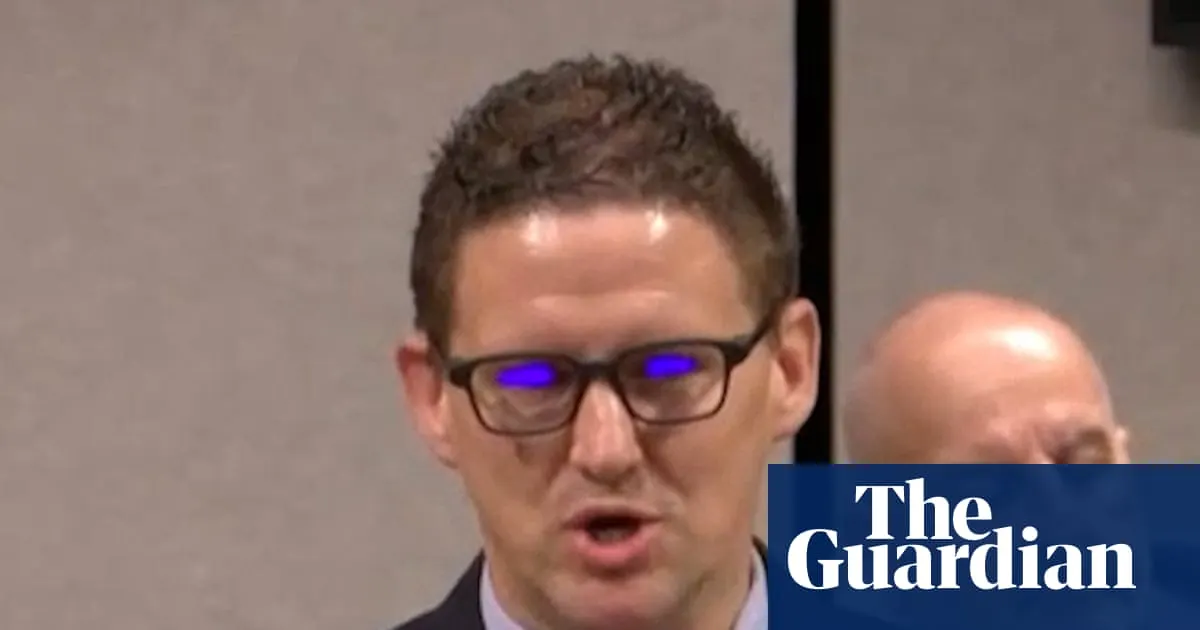
Jason O’Connell, a Reform UK member of the Senedd, was suspected of using smart glasses to display prompts during a speech on 20mph speed limits. The episode has renewed debate about how the devices should be used in legislatures, with the Liberal Democrats calling for them to be banned at Westminster over privacy and security concerns.
O’Connell spoke for five minutes without looking at notes, citing figures including Cardiff’s review of 192 roads and £38.3m spent implementing the policy; there is no suggestion his glasses recorded anything. Parliament says it is reviewing rules for camera-equipped glasses and other wearable technology, weighing security and privacy alongside accessibility and operational needs. O’Connell later joked online that his previous glasses had caused a stir.
- A Senedd speech raised suspicions of smart-glasses prompts.
- Liberal Democrats want the devices banned at Westminster.
- Parliament is reviewing rules on wearable technology.
New here? Start with this
Smart glasses look like ordinary spectacles but can show information to the wearer, and some models can also take photos or record video. Their growing use in public places has raised questions about when people nearby should know they may be filmed.
The Senedd is the Welsh Parliament, while Westminster is the UK Parliament in London. Jason O’Connell is a Reform UK member of the Senedd; the Liberal Democrats are a separate political party whose call concerns rules at Westminster.
Camera-equipped wearables can raise privacy and security questions in places where people discuss sensitive matters. Legislatures must consider those concerns alongside possible uses for accessibility and day-to-day work.
Both sides, in good faith
The strongest fair case each way — we don't pick a winner.
The case for
A ban could protect the privacy of MPs, staff and visitors who may be recorded without their knowledge, and reduce security risks from discreet cameras in sensitive parliamentary spaces. Clear, consistent restrictions could also reassure people that legislative proceedings and private conversations are not being captured or shared.
The case against
A blanket ban could restrict legitimate uses of wearable technology, including accessibility support and practical assistance during parliamentary work. Since there is no suggestion O’Connell recorded anything, proportionate rules on when cameras may be used, supported by safeguards and enforcement, could address privacy and security concerns while preserving those benefits.
Art Culture Technology UK World
Read the full article at the source →
Originally published by The Guardian as “The eyes have it: Reform politician’s ‘smart glasses’ prompt calls for ban in Westminster”.