The F1 pit stop that helped save lives
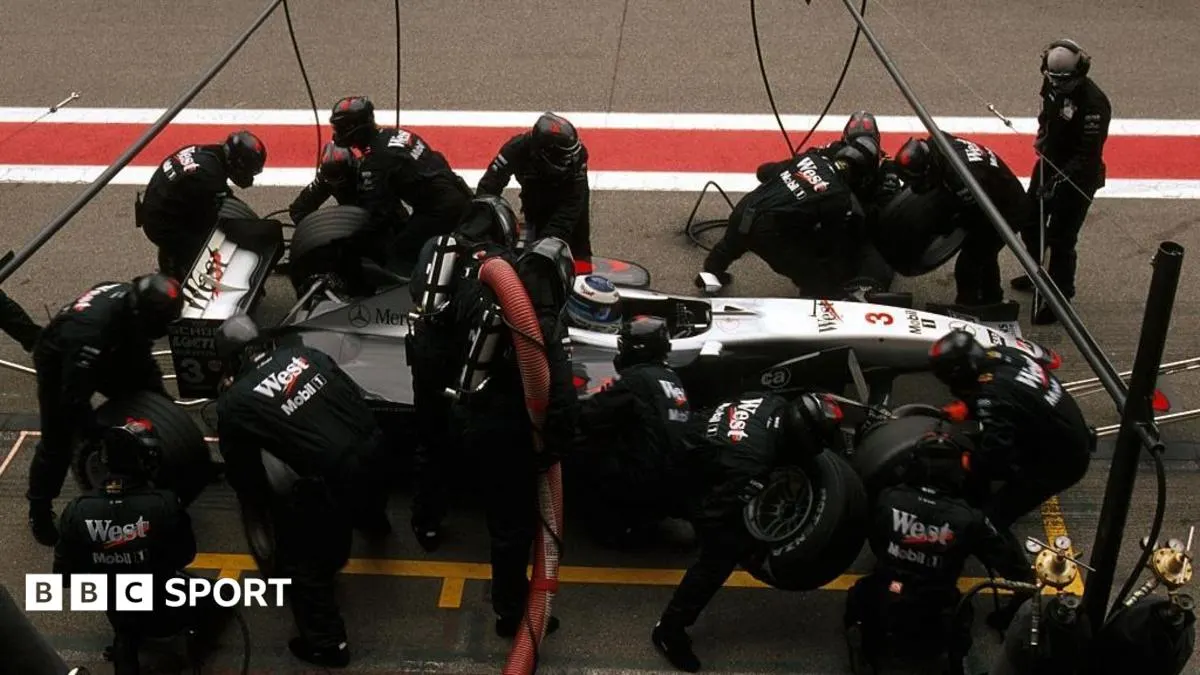
A seven-second McLaren pit stop at the 2001 Spanish Grand Prix prompted doctors at Great Ormond Street Hospital to rethink how patients were transferred from surgery to intensive care. The approach drew on Formula 1’s precise division of roles, clear communication and rehearsed handovers, helping reduce errors in a high-risk setting.
A 2007 study by Great Ormond Street Hospital and the University of Oxford found the process reduced technical errors, missing information and handover time. Later collaborations applied similar methods to neonatal emergencies, including standardised roles and equipment placement, and produced the Babypod, a baby carrier designed to withstand a 20G crash. At Silverstone, work with Air Ambulance Cornwall cut take-off time from five minutes to three and a half.
- A McLaren pit stop inspired safer hospital handovers.
- F1 methods later improved neonatal emergency responses.
- Air ambulance take-off time fell by 90 seconds.
New here? Start with this
Formula 1 pit stops involve a team carrying out different tasks in a carefully timed sequence, with each person responsible for a specific role. In hospitals, moving a patient from an operating theatre to intensive care is also a complex handover, where teams must pass on information and equipment without delay.
Great Ormond Street Hospital adapted ideas from pit-stop teamwork to help staff coordinate these transfers. Research by the hospital and the University of Oxford found the approach reduced errors and missing information, as well as the time taken for handovers.
The methods have since been used in other high-risk settings, including neonatal emergencies and air ambulance work. They show how practices developed in motor racing can be adapted to improve coordination in healthcare.