The failed 1950s escape from jail that set Merle Haggard on a path to being a country icon
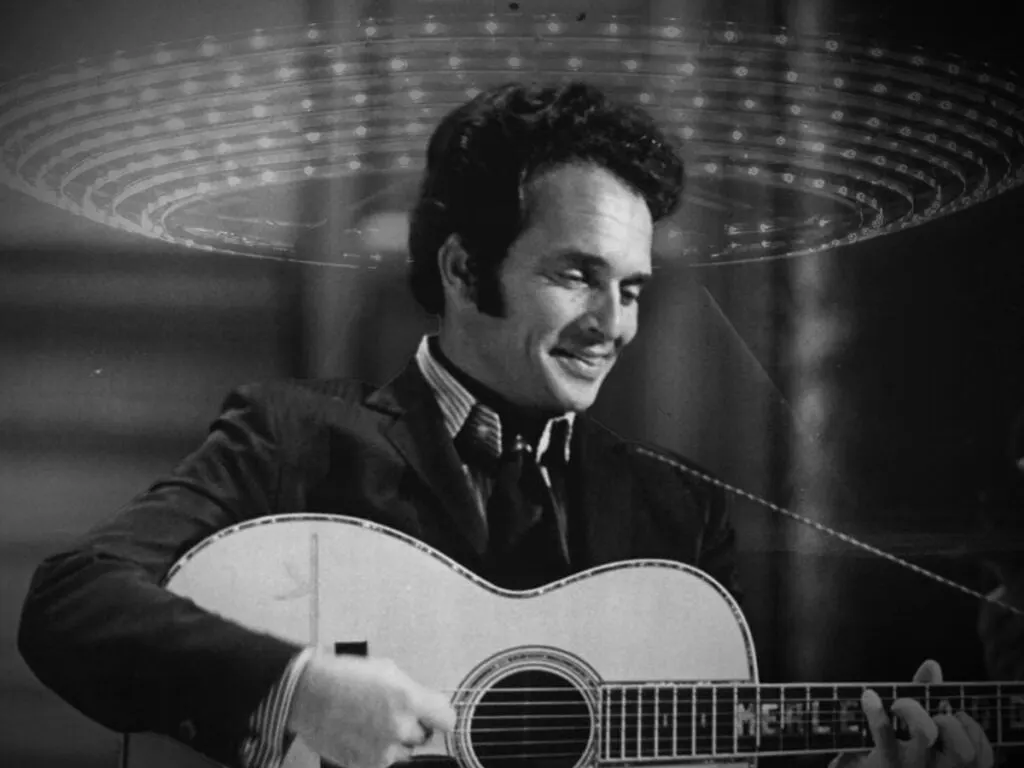
Long before becoming a country music legend, Merle Haggard spent his youth committing crimes including theft and shoplifting, culminating in a failed café break-in on Christmas Eve 1957 that led to his arrest and eventual sentence at California's San Quentin Prison. His incarceration would prove to be the turning point that transformed him from a persistent juvenile offender into one of country music's most defining voices.
Haggard's trouble began early; he ran away from home at ten and by his teens had accumulated 17 escapes from juvenile detention centres. After the failed café robbery, he was recaptured just 30 hours after breaking out of Bakersfield Jail. At San Quentin, a pivotal moment came on New Year's Day 1959 when Johnny Cash performed for the inmates, an experience that inspired Haggard's dramatic reform. Released on parole in 1960, he went on to apologise to and repay everyone he had wronged, eventually becoming a legendary figure who would return to San Quentin to perform for prisoners still inside.
- Merle Haggard's San Quentin sentence became the turning point in his music career.
- Johnny Cash's 1959 prison performance inspired Haggard's life transformation and path to fame.
- A failed café robbery led to the arrest that changed Haggard's trajectory forever.
New here? Start with this
Merle Haggard was a troubled youth before becoming one of country music's greatest names. Born into a difficult childhood, he ran away from home at age ten and spent his teenage years in and out of juvenile detention centres with numerous escapes.
A failed break-in at a café on Christmas Eve 1957 led to his arrest and imprisonment at California's San Quentin Prison. A performance by country musician Johnny Cash for inmates on New Year's Day 1959 proved a turning point, inspiring Haggard to reform.
Released on parole in 1960, Haggard worked to repay those he had wronged and became a country music artist. He later returned to perform at San Quentin, drawing on his own experience of incarceration.