Entertainment news and discussion on TalkFuse.
The five best Apple Records albums that aren’t The Beatles
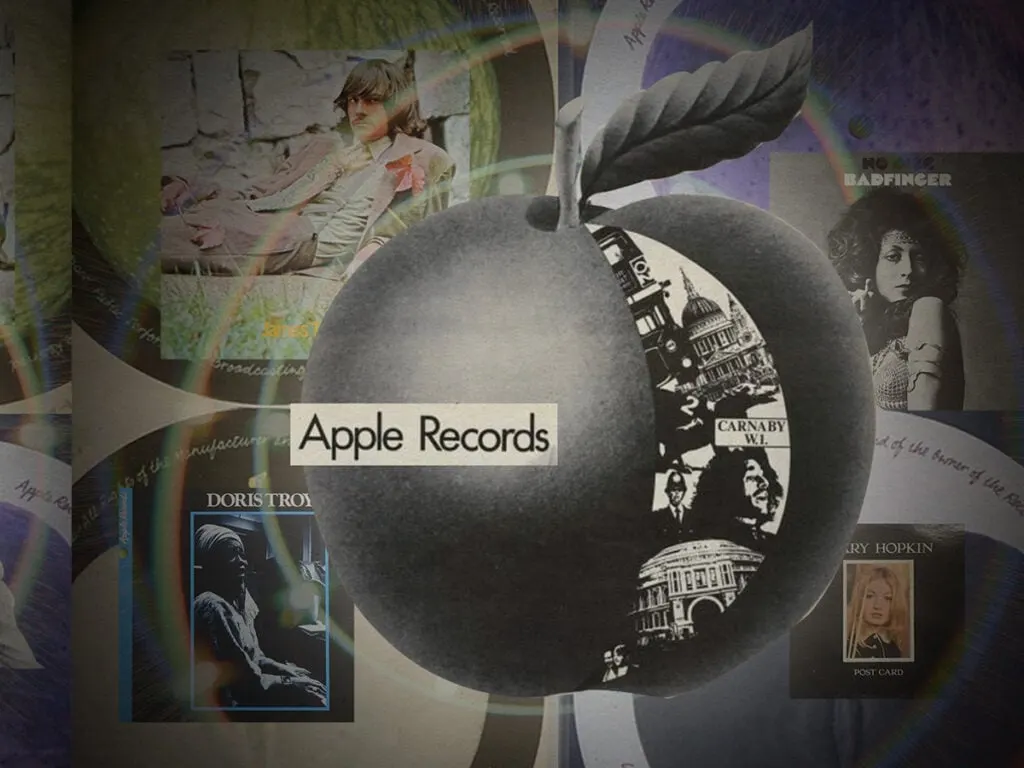
This piece looks back at Apple Records, the label founded by The Beatles in 1968, and highlights five standout albums released by other artists on the imprint. The label grew out of Apple Corps Ltd, set up by manager Brian Epstein as a tax-efficient business structure, with A&R chief Peter Asher steering it towards music that "wasn't getting an opportunity to be heard in other places." Beyond The Beatles' own catalogue, Apple became a home for a diverse roster of talent, and the article argues these releases deserve recognition alongside the band's better-known work.
Among those singled out are Mary Hopkin, discovered via ITV's Opportunity Knocks and signed on Twiggy's recommendation, whose McCartney-produced debut Postcard followed her 1968 chart-topping single "Those Were the Days," and Doris Troy, a New York-born soul singer spotted by James Brown as a teenager, who secured artist, songwriter and producer contracts with Apple and released her self-titled 1970 debut featuring George Harrison and Billy Preston. The article traces the label's origins to Paul McCartney's fascination with surrealist painter René Magritte, whose green apple imagery inspired the company's logo, and notes Apple Records operated under an EMI/Capitol distribution deal until 1976.
In short
- Article profiles five best non-Beatles albums released on Apple Records
- Label founded 1968 by The Beatles via Apple Corps Ltd
- Featured artists include Mary Hopkin and Doris Troy
Explained simply
Apple Records was the record label of Apple Corps, the company The Beatles established in 1968. Its A&R chief, Peter Asher, aimed to give a hearing to music that other labels were overlooking, and its artists included singers and songwriters beyond the band.
Among them were Welsh singer Mary Hopkin, whose debut album was produced by Paul McCartney, and American soul singer Doris Troy, whose first Apple album featured George Harrison and Billy Preston. The label’s green apple logo drew on Paul McCartney’s interest in the work of surrealist artist René Magritte.
Apple Records released music through an EMI and Capitol distribution arrangement until 1976. Its wider catalogue shows how The Beatles’ company tried to build a label around a range of artists as well as the band’s own recordings.