Politics news and discussion on TalkFuse.
The four options Burnham has on Brexit – and which is most likely
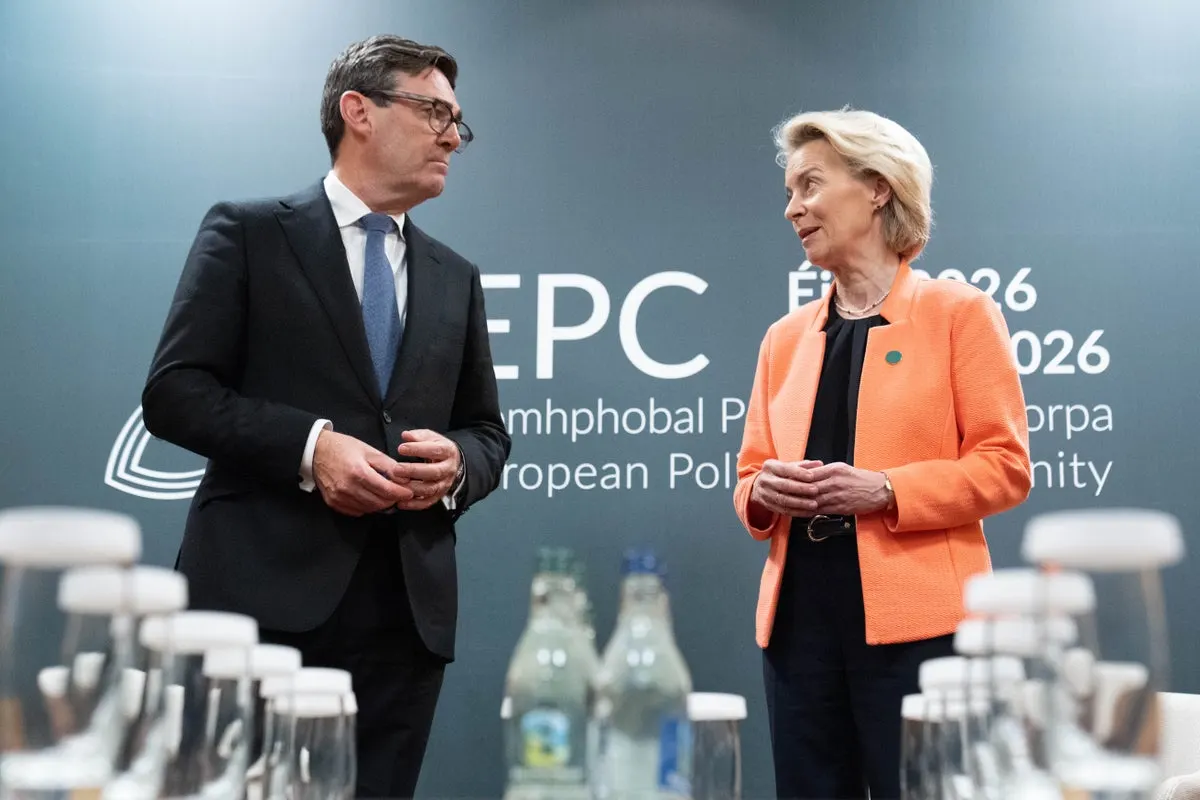
Andy Burnham is expected to present four options for the UK’s future relationship with the EU during a year-long national conversation: keeping the current arrangement, joining the customs union, joining the single market or rejoining the EU. EU diplomats believe he opposes keeping the status quo, and say the process would make an early election in May unlikely because he would need time to settle on a position.
The article describes trade-offs between the options. Staying outside the EU preserves independent regulation and existing trade deals, but leaves barriers to the UK’s biggest market; a customs union could reduce tariffs and checks on goods, while limiting independent trade policy. Single-market membership would enable freer trade in goods and services but require the UK to follow EU rules, while rejoining would mean membership of the bloc. The text says customs union membership has majority support among MPs and that EU diplomats expect no further bespoke deals unless the UK agrees to at least rejoin the single market.
In short
- Burnham is expected to put four Brexit options to a national conversation.
- EU diplomats think he is against keeping the current arrangement.
- The process may make a May election unlikely.
Steelman: both sides, in good faith
The strongest fair case each way — we don't pick a winner.
The case for
Moving closer to the EU could reduce trade barriers with the UK’s largest market and support businesses that depend on cross-border trade. A customs union or single-market membership would offer greater access, while rejoining would restore full membership; supporters may argue that accepting shared rules is a reasonable price for economic cooperation and influence.
The case against
Keeping the current arrangement preserves the UK’s ability to set its own regulations and make trade deals, and avoids taking on EU obligations without full membership. Those who favour this approach may argue that closer integration would constrain domestic choices, while the benefits of fewer trade barriers would need to justify those limits and any associated costs.
Explained simply
Brexit refers to the UK’s departure from the European Union, a political and economic bloc whose members share rules and trade arrangements. Since leaving, the UK has set its own laws in many areas and made trade deals with countries around the world, while facing new barriers to trade with the EU, its largest nearby market.
Andy Burnham is the mayor of Greater Manchester and a senior Labour politician. The choices under discussion range from keeping the current arrangements to joining a customs union, joining the EU single market, or rejoining the EU. A customs union mainly concerns trade in goods and tariffs; the single market also covers services and involves following shared rules.
Each option would involve different choices about trade and the UK’s ability to set rules and negotiate deals independently. The debate matters because the EU is a major trading partner, and closer economic ties could affect businesses, workers and consumers across the UK.
Elections Europe Politics World