Video games news, releases, esports and culture — all the biggest gaming stories in one place.
The fourth biggest memory manufacturer could break into America soon, and chances are you’ve never heard of it
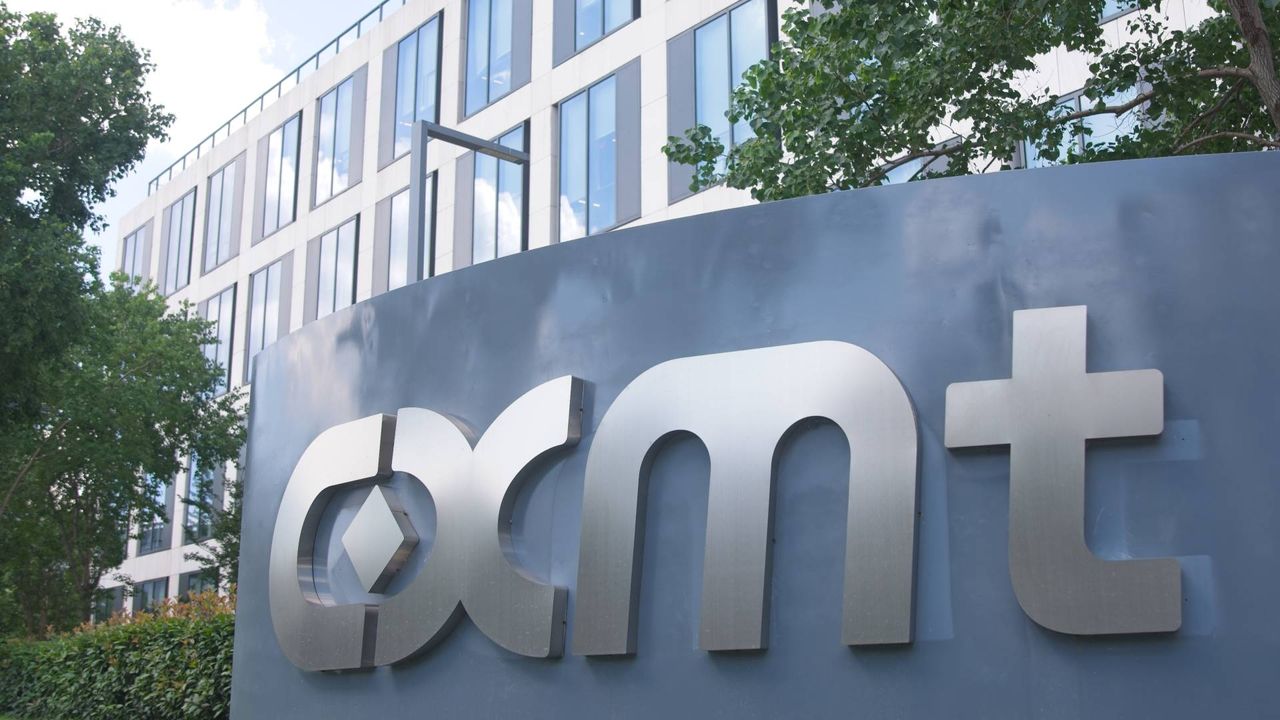
Chinese memory-chip maker ChangXin Memory Technologies (CXMT), now reportedly the world’s fourth-largest producer, is considering entering the US market as part of a longer-term international expansion. Its arrival could add a significant new supplier during a memory shortage, but the company faces strong domestic demand, geopolitical barriers and possible US trade restrictions.
CXMT has been validating its memory with motherboard and PC-component manufacturers while expanding DRAM production. The article says it reported $7.5 billion in first-quarter revenue, up 719% year on year, and raised $8.6 billion in Asia’s largest IPO of the year; it is also backed by China’s state-supported semiconductor “Big Fund”. Micron has urged US lawmakers to limit CXMT’s access to important equipment, and the prospect of inclusion on the US Entity List remains a major obstacle.
In short
- CXMT plans a potential US memory-market entry.
- Its rapid growth could ease memory supply pressures.
- Trade restrictions may derail its expansion.
Steelman: both sides, in good faith
The strongest fair case each way — we don't pick a winner.
The case for
A genuinely open semiconductor market benefits consumers and businesses through lower prices and more reliable supply chains. Rather than protecting incumbent suppliers like Micron, the US should welcome CXMT's entry as a legitimate competitor that addresses chronic memory shortages; additional suppliers increase resilience and reduce dependency on any single producer. Free-market competition drives innovation and efficiency, and protectionist barriers ultimately harm the manufacturers who depend on affordable, abundant memory chips.
The case against
Permitting a state-backed Chinese manufacturer preferential access to the US semiconductor market poses genuine national security risks during strategic competition with China. The semiconductor industry underpins military capabilities and critical infrastructure; allowing a state-backed competitor to gain a strategic foothold could compromise American autonomy and supply chain resilience. The asymmetry is clear: China rigorously restricts American chipmakers whilst supporting its own champions, so reciprocal caution about state-backed competitors reflects justified strategic concern rather than mere protectionism.
Explained simply
ChangXin Memory Technologies is a Chinese company that manufactures memory chips, which are essential components in computers and mobile devices. It has become the world's fourth-largest producer of these chips and is now exploring whether to enter the American market, where it currently has little presence.
Memory chips are needed in virtually every electronic device, and the global industry is dominated by a small number of manufacturers. If CXMT entered the American market, it could help address supply shortages and increase competition, which could affect the prices and availability of computers and mobile devices worldwide.
However, CXMT faces significant barriers to expansion. The United States government has expressed concerns about Chinese state-backed technology companies and has threatened to restrict their access to advanced manufacturing equipment. American semiconductor manufacturers, including Micron Technology, have also urged US lawmakers to limit CXMT's access to the American market.