Technology news and discussion on TalkFuse.
The future of open source AI hangs in the balance after Jensen Huang’s fall from grace: sources
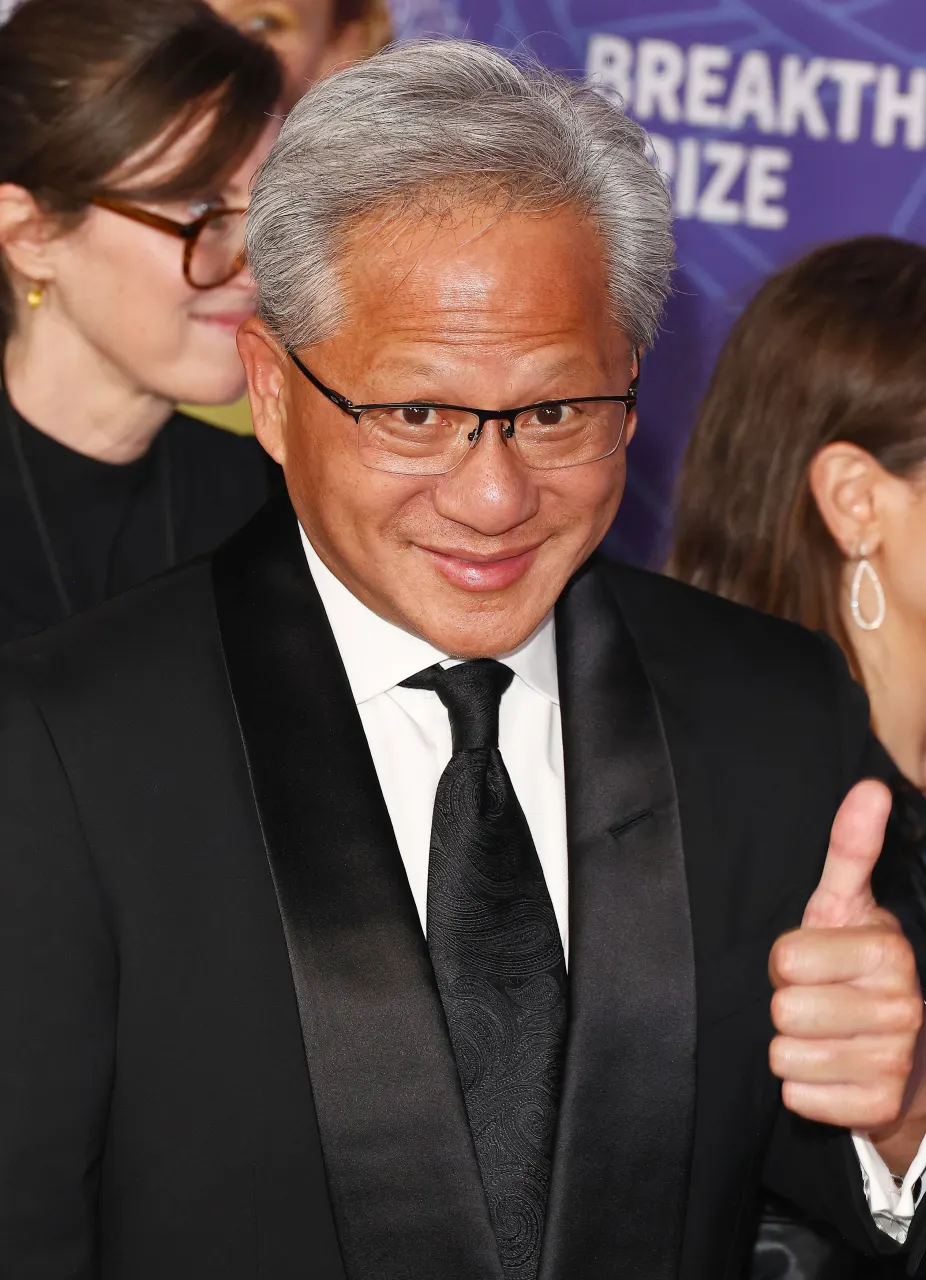
Jensen Huang’s reported removal as Nvidia chief executive has unsettled supporters of open-weight AI, who saw him as one of its most prominent backers. People involved in the effort say his departure could weaken its influence in Washington, while his association with China may make public support for the cause more difficult.
Nvidia had announced plans to invest $26 billion in open models over five years and agreed to acquire Hugging Face for $12.9 billion. Open-weight models let the public download and modify a model’s architecture and capabilities, though not its training data; supporters cite wider access, while critics warn that adversaries could use the technology and question Nvidia’s commercial motives. Some advocates now favour stricter controls on chip sales to China, as debate over AI regulation and data-centre expansion continues.
In short
- Huang’s reported ouster could weaken a leading voice for open-weight AI.
- Nvidia had pledged $26 billion for open models over five years.
- Some supporters now back tighter chip export controls to China.
Steelman: both sides, in good faith
The strongest fair case each way — we don't pick a winner.
The case for
Open-weight AI can broaden access to advanced tools, let researchers and businesses adapt models, and reduce reliance on a few closed providers. Supporters may see Huang’s backing and Nvidia’s proposed investment as a way to strengthen that ecosystem, while arguing that targeted safeguards can address risks without restricting the technology wholesale.
The case against
Making powerful models downloadable and modifiable can make it harder to prevent their use in harmful ways, including by adversaries, and the models’ training data is not available for independent scrutiny. Critics may also question whether Nvidia’s support primarily serves its commercial interests, and argue that stronger controls, including on chip sales to China, are warranted as AI capabilities advance.