Entertainment news and discussion on TalkFuse.
The genre Neil Young fell out of love with: “New bands that interest me?”
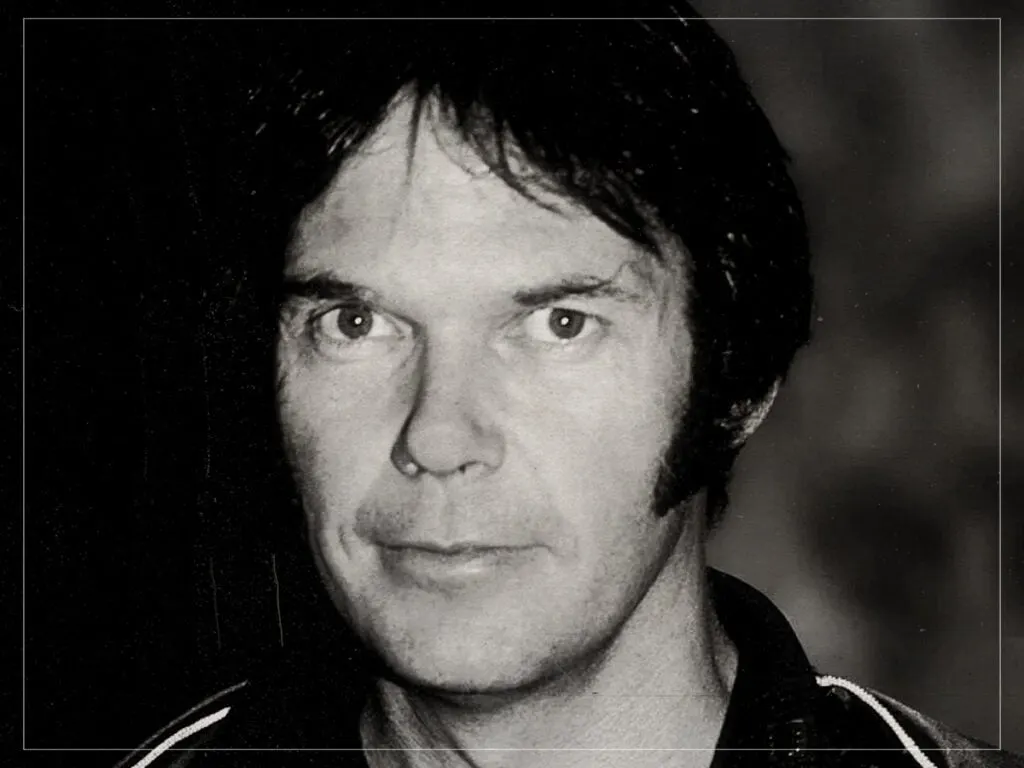
In a 1982 interview with French TV show Houba Houba, Neil Young reflected on his relationship with California soft rock, the genre he and his Crosby, Stills & Nash bandmates had helped pioneer but had grown weary of by the time punk and new wave took hold. Rather than recoiling from the abrasive new sounds sweeping music in the late 1970s, as many of his hippie-era peers did, Young embraced them, drawing creative energy from the shift that fed into albums such as Rust Never Sleeps and the synth-driven Trans.
Young told the French programme he no longer listened to California soft rock beyond his own material, saying he had "heard too much of it" and now placed it early in his live sets before moving past it. He praised new wave and synthpop acts including A Flock of Seagulls, The Human League, The Pretenders and The Clash with the same enthusiasm as traditional rock bands, arguing the movement was less a "new wave" than a continuation of something that had always existed. Meanwhile, contemporaries such as the Eagles, Fleetwood Mac, Jackson Browne, The Doobie Brothers and Linda Ronstadt drifted into the polished "yacht rock" sound that Young pointedly distanced himself from.
In short
- Neil Young embraced punk and new wave rather than fearing it, unlike many peers.
- In a 1982 interview he said he'd tired of California soft rock music.
- He praised acts like The Human League and The Clash over old collaborators' yacht rock turn.
Explained simply
Neil Young is a Canadian singer-songwriter who rose to prominence in the late 1960s, including as a member of Crosby, Stills, Nash & Young. California soft rock was a smooth, harmony-rich style associated with several West Coast musicians and bands of that era.
Punk and new wave emerged in the late 1970s with a broader range of sounds, including sharper guitars and synthesizers. Artists such as The Clash, The Pretenders and The Human League became associated with the shift, which influenced Young’s later music.
The story matters because it describes a change in Young’s musical interests while some of his peers continued towards more polished pop-rock. That contrast helps explain the different paths taken by musicians who had emerged from a shared scene.