Entertainment news and discussion on TalkFuse.
The “glitter trash” band that always disappointed Lou Reed: “It’s such a shame”
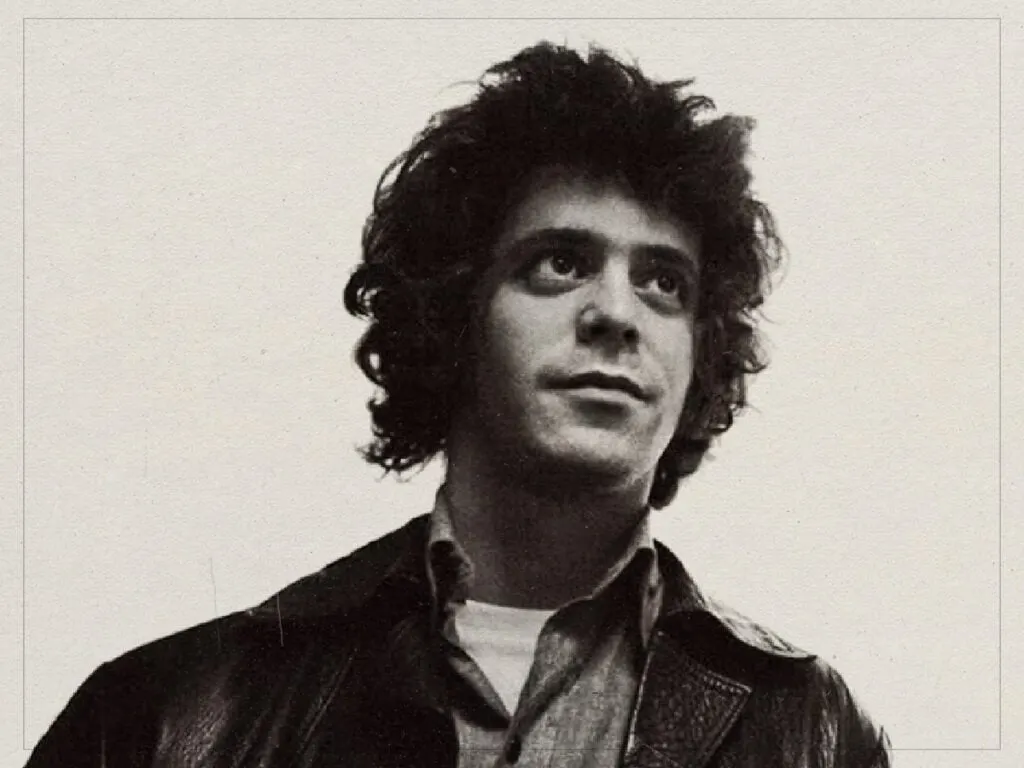
Lou Reed, revered as an icon of New York's underground rock scene, was notoriously scathing about several of his contemporaries, including the New York Dolls, whom he dismissed as a "glitter trash band" despite trying hard to like them. The former Velvet Underground frontman had a reputation for arrogance and aloofness within the scene he helped shape, and his harsh assessments of fellow musicians reveal that admiration for his own legacy was not always reciprocated with generosity towards others.
The article cites a 1974 Melody Maker interview in which journalist Chris Charlesworth asked Reed about the New York Dolls, expecting a favourable response given their shared scene. Instead, Reed said he only liked their song titles, calling them "just another glitter trash band" and adding "it's such a shame." This is set alongside Reed's long-running feud with Television's Tom Verlaine, whom he accused of imitating his style without credit, illustrating a broader pattern of Reed's difficult relationships with New York's punk and underground musicians.
In short
- Lou Reed dismissed the New York Dolls as a "glitter trash band" in 1974.
- He said he liked their song titles but little else.
- Reed also feuded bitterly with Television's Tom Verlaine.
Steelman: both sides, in good faith
The strongest fair case each way — we don't pick a winner.
The case for
Reed’s criticism can be understood as an honest artistic judgement: sharing a scene did not oblige him to praise the Dolls, and he may have felt their music fell short of the promise suggested by their song titles. An advocate for candour might also argue that frank disagreement is part of musical debate, even when expressed bluntly.
The case against
The Dolls could be seen as inventive performers whose theatrical sound and image helped shape New York’s emerging rock scene, making Reed’s dismissal unduly narrow. His comments may also reflect a broader pattern of personal friction that made a considered artistic critique sound more like a put-down, especially given the promise he said he heard in their titles.
Explained simply
Lou Reed was a singer and songwriter best known as the frontman of the Velvet Underground, a New York band whose experimental music influenced later rock and punk artists. In the 1970s, New York’s underground scene brought together musicians including the New York Dolls and Television, who helped shape the city’s emerging punk sound.
The New York Dolls were known for loud, rough-edged rock and flamboyant stage clothes. Television, whose guitarist and singer Tom Verlaine was a contemporary of Reed, took a more guitar-focused approach. The musicians shared a scene, but their relationships were not always friendly.
Reed’s comments about other musicians matter because they show how influence and rivalry coexisted in that scene. His reputation as a central figure in New York rock did not prevent him from criticising artists who were working alongside him.