Politics news and discussion on TalkFuse.
The graduate visa is a scam on the British people – Nigel Farage and I will shut down the Tory back door to Britain
Developed over time first seen 6 hours ago
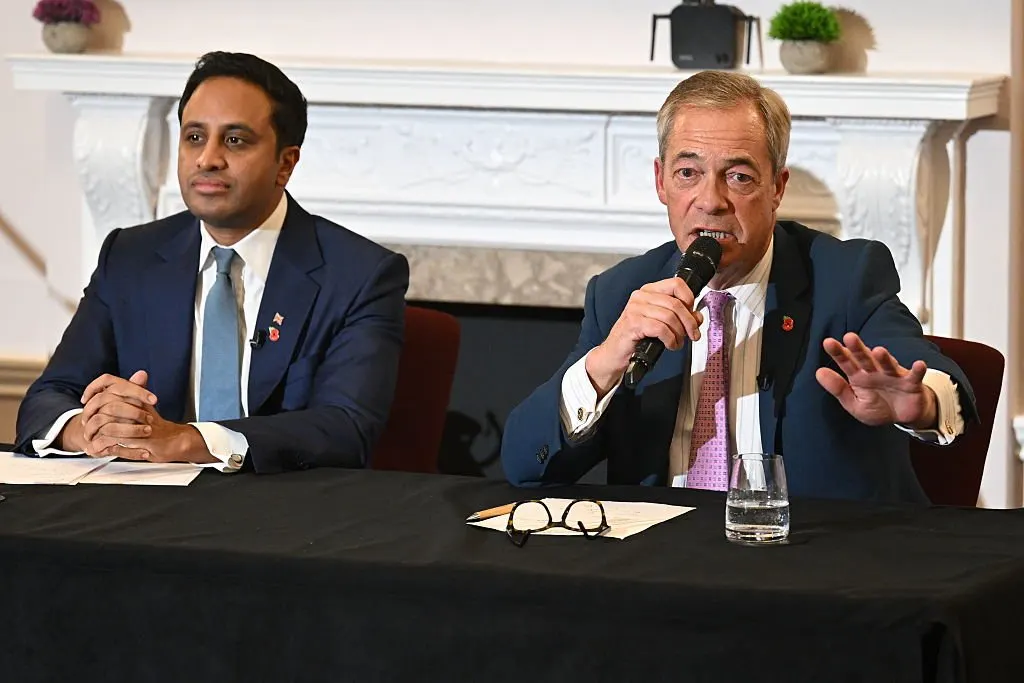
Zia Yusuf, Reform UK’s home affairs spokesperson, says the graduate visa scheme should be closed, describing it as a route that lets migrants stay in Britain without work. He blames the previous Conservative government for creating the scheme and argues it increases competition for entry-level jobs amid rising youth unemployment.
Yusuf says 800,000 graduate visas have been issued since the scheme began in 2021, including 600,000 in the past three years. He cites 5,130 asylum claims by people on graduate visas in the year to June 2026, twice the previous year’s total, and proposes giving students 30 days to find qualifying work. He also proposes replacing indefinite leave to remain with renewable five-year visas, arguing that allowing 1.6 million mainly low-paid migrants to settle could carry £620 billion in long-term fiscal costs.
- Sources
- 2
- Outlets
- 1
- Left · Centre · Right
- 0 · 0 · 2
In short
- Reform UK says it would close the graduate visa route.
- Yusuf cites 5,130 related asylum claims in the year to June 2026.
- His proposals include 30 days to find qualifying work.
How this story developed
- 3 hours ago Zia Yusuf, Reform UK’s home affairs spokesperson, says the graduate visa scheme should be closed, describing it as a route that lets migrants stay in Britain without work.
Full account
Zia Yusuf has said Reform UK would abolish the graduate visa if it came to power, arguing that the route allows overseas graduates to remain in Britain without a job. In an article for GB News, he blamed the previous Conservative government for introducing the scheme and said he and Nigel Farage would tighten immigration rules.
The graduate visa, introduced in July 2021, allows eligible international students to stay in the UK after completing their studies. Yusuf described it as a route into the labour market for people he said had taken courses of limited economic value. He claimed that about 800,000 visas had been issued since the scheme began, including 600,000 in the past three years. The figures and his characterisation of those using the route were presented as part of his argument; the supplied reports do not independently assess them.
Yusuf linked the policy to what he calls the ‘Boriswave’, his term for immigration under Boris Johnson’s government. He argued that allowing graduates time to seek work increased competition for young British jobseekers. He also said that most graduate visa holders earned less than £30,000 a year. Those points formed the basis of his case for a stricter test of graduates’ economic contribution.
Asylum claims were another focus of Yusuf’s article. He said 5,130 people who had held graduate visas claimed asylum in the year to June 2026, around twice the number in the preceding year, and that Pakistani nationals accounted for the largest share, at 1,553 claims. He gave a separate figure of 9,442 claims by people on student visas during the same period. The article did not establish that the claims were dishonest, although Yusuf argued that visa routes should not provide a way to seek asylum.
Under his proposal, international graduates would have 30 days to find work meeting a new economic test. Yusuf also repeated Reform UK’s plan to suspend the asylum system and proposed replacing indefinite leave to remain with a renewable five-year visa tied to an assessment of a migrant’s economic contribution. He warned of a possible £620 billion long-term fiscal cost if 1.6 million migrants he described as predominantly low-paid were allowed to settle. That estimate is a claim in his article, rather than a calculation explained in the supplied material.
The second GB News report covers a separate interview with Farage about the EU, Brexit and Andy Burnham. It does not set out Farage’s position on the graduate visa. Farage said voters had expected lower immigration after Brexit but had instead experienced what he too called the ‘Boris wave’. He also criticised Conservative decisions on EU-era regulation and argued against closer ties with the bloc.
Where outlets differ
From the full account, which is AI-written from the sources:
Both supplied reports are from GB News, so they do not offer differing outlet perspectives. Yusuf’s article concentrates on the graduate visa, asylum claims and proposed immigration rules; the Farage interview concentrates on the EU and Brexit. Farage’s reported remarks share Yusuf’s criticism of Conservative immigration policy but do not address the graduate visa proposal.
Coverage · 2 sources
Bias meters
From 2 rated sources.