Culture news and discussion on TalkFuse.
The Grand Tour review – a deeply strange rejection of Jeremy Clarkson and the gang
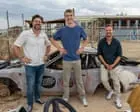
The Grand Tour has returned on Prime Video with an entirely new hosting trio, replacing Jeremy Clarkson, Richard Hammond and James May with relatively unknown presenters: Thomas Holland and James Engelsman from YouTube's Throttle House, and TikTok train enthusiast Francis Bourgeois. The reboot notably opens with the new hosts visiting Clarkson's Diddly Squat Farm to seek his blessing, a move that smooths the handover but also underlines how heavily the format still leans on its predecessor's shadow, given that the show's popularity was largely built on Clarkson's personality.
The Guardian's review finds the debut episode sticks closely to the established format, with the hosts racing supercars (a Mustang, a Corvette and a Hennessey) around California, enlisting Jenson Button and even racing jet planes. The new trio come across as pleasant but relatively anonymous, lacking the abrasive chemistry of the original line-up, though the review notes flickers of promise, including a jokey aside about not paying taxes. It also questions whether the format itself has run its course, pointing out that Top Gear was rebuilt in 2002 after 24 stale years, and that this Grand Tour reboot arrives almost exactly 24 years later.
In short
- The Grand Tour relaunches with new hosts Holland, Engelsman and Bourgeois
- New trio visit Jeremy Clarkson's farm for his approval at the start
- Review says format feels familiar but hosts lack strong chemistry so far
Steelman: both sides, in good faith
The strongest fair case each way — we don't pick a winner.
The case for
A new trio gives The Grand Tour a chance to refresh a familiar format and bring different personalities to motoring entertainment. Keeping the racing and travel elements can reassure existing viewers while the newcomers develop their own chemistry, and the debut’s moments of promise suggest the handover need not simply repeat the past.
The case against
The programme’s appeal was built substantially on the original presenters’ distinctive chemistry, so replacing them while retaining much of the same format risks leaving the show without either its old identity or a compelling new one. The new hosts may be personable, but their relative anonymity and the episode’s reliance on Clarkson’s shadow make it reasonable to question whether the reboot offers enough change to justify its continuation.
Explained simply
The Grand Tour is a motoring entertainment show built around road trips, races and challenges involving fast cars. It began in 2016 with Jeremy Clarkson, Richard Hammond and James May, who had previously presented Top Gear together; their lively, often argumentative dynamic became a major part of the show’s appeal.
Clarkson, Hammond and May have since left the series, and Prime Video has brought in new presenters. The change raises a broader question about how a familiar TV format can continue when its best-known hosts are gone, and whether audiences are drawn more to the cars and stunts or to the people presenting them.
Top Gear offers a useful comparison: after many years on air, it was relaunched with a new presenting team in 2002. That makes The Grand Tour’s change part of a recurring challenge for long-running shows: keeping a format recognisable while giving viewers a reason to embrace a new cast.