Entertainment news and discussion on TalkFuse.
The Greatest Sci-Fi Movie of the 2010s Is Streaming for Free, So Now You Have No Excuse Not to Watch
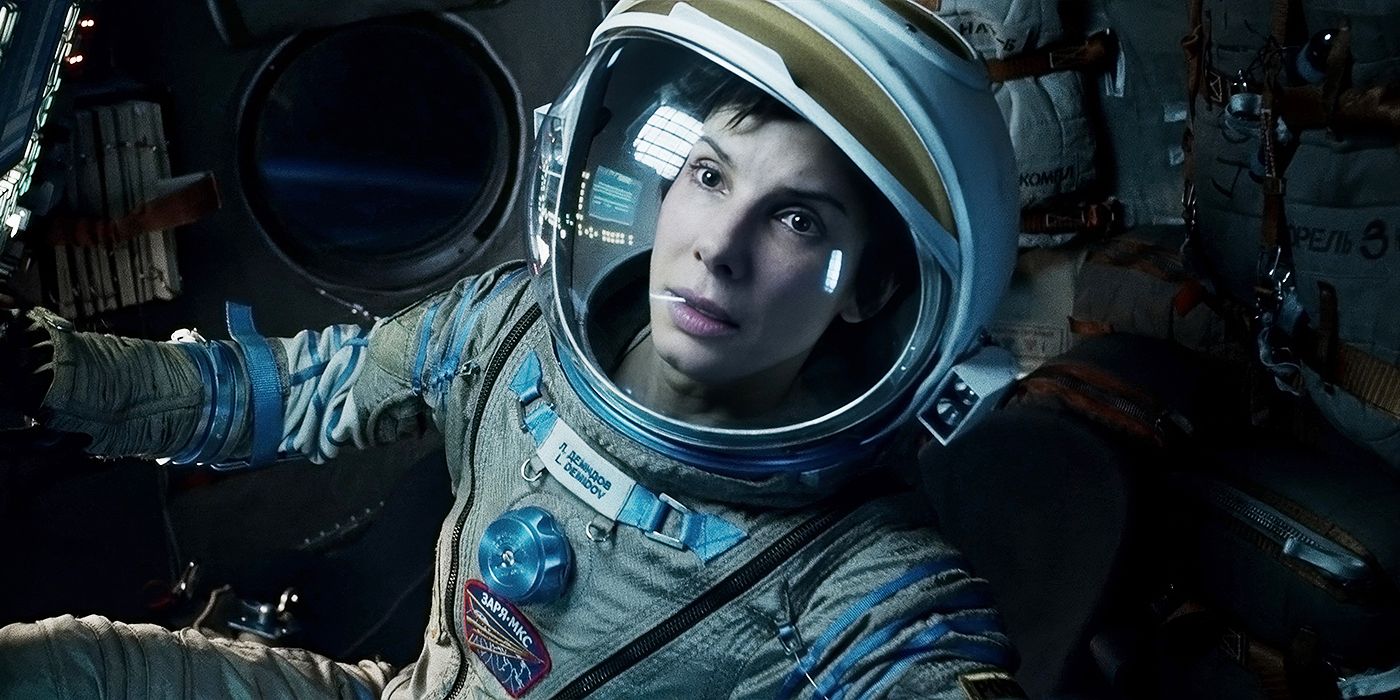
Gravity became a cultural outlier in 2013 when it achieved blockbuster status as an original narrative during Hollywood's transition toward franchises and established properties. Directed by Alfonso Cuarón and featuring two major stars, the film earned over $723 million globally, placing it among the highest-grossing original films ever. Its commercial triumph challenged the prevailing assumption that audiences would only pay for recognisable intellectual property, proving that ambitious science fiction with substantial production investment could compete at the box office.
The film follows two astronauts fighting for survival after their orbiting shuttle is destroyed, forced to manage dwindling oxygen whilst navigating open space. Cuarón's commitment to technical authenticity and visual ambition established a template that shaped subsequent space-themed dramas including Interstellar, The Martian, and Arrival. Its recent appearance on free streaming platforms removes the final barrier to viewing a film that redefined how cinema handles the space odyssey genre—combining rigorous scientific grounding with visceral human drama.
In short
- Gravity (2013), an original sci-fi film by Alfonso Cuarón starring Sandra Bullock and George Clooney, grossed $723 million worldwide—exceptionally rare for non-franchise cinema in 2013
- The film's technical precision and narrative depth influenced an entire wave of subsequent space dramas, from Interstellar to The Martian
- Now available for free streaming, removing cost barriers to experiencing Cuarón's survival spectacle
Steelman: both sides, in good faith
The strongest fair case each way — we don't pick a winner.
The case for
Gravity stands as the decade's foremost sci-fi achievement through its unprecedented technical innovation and narrative ambition, demonstrating that spectacle could serve human drama rather than overshadow it. Its commercial success during the franchise era proved audiences craved original, intellectually rigorous science fiction—a cultural moment that fundamentally shifted industry perceptions. The film's influence on subsequent space-themed cinema, combined with Cuarón's meticulous commitment to visual storytelling and scientific authenticity, establishes it as a transformative work that redefined the genre's possibilities.
The case against
Whilst Gravity achieved remarkable technical feats, calling it the decade's greatest sci-fi overlooks richer cinematic achievements that married ambition with substantial thematic depth and character complexity. Films like Blade Runner 2049, Arrival, and Interstellar explored profound questions about consciousness, language, and human connection with narratives that rewarded repeated viewing and deeper consideration. Gravity's triumph was largely technical and commercial rather than artistic; its survival-thriller structure, whilst visceral, offers limited philosophical or emotional resonance compared to contemporaries that engaged more ambitiously with science fiction's potential.
Explained simply
Gravity is a 2013 science fiction film directed by Alfonso Cuarón that follows two astronauts fighting for survival after their space shuttle is destroyed in orbit. The film centres on their struggle to manage dwindling oxygen whilst navigating the hazards of open space.
The film became a landmark in cinema because it proved that ambitious original stories could achieve blockbuster success at a time when Hollywood was increasingly focused on franchises and sequels. Earning over $720 million worldwide, it challenged the assumption that audiences would only pay for familiar intellectual property.
Cuarón's approach to combining scientific authenticity with visceral human drama established a template that influenced subsequent space-themed films including Interstellar, The Martian, and Arrival. The film redefined how cinema handles space odyssey narratives through its technical innovation and realistic portrayal of space conditions.