Entertainment news and discussion on TalkFuse.
The “grotesque” 1973 song Frank Zappa fiercely defended: “There is no correct society”
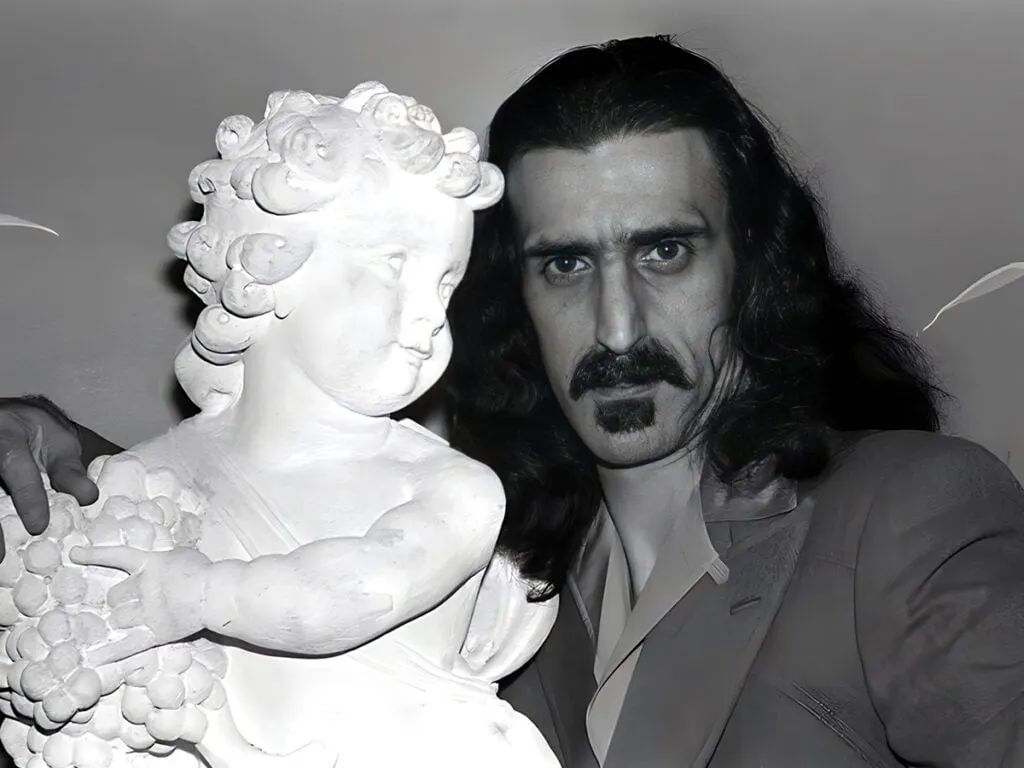
Frank Zappa defended his sexually explicit 1973 song ‘Dinah-Moe Humm’ after an interviewer described it as “grotesque”. The article argues that the controversy reflected Zappa’s wider commitment to artistic independence and his refusal to tailor his work to conventional commercial or social expectations.
Released during a period when Zappa was increasingly able to control his own output through his record label, the track used sexual references and was conceived partly as his response to ‘Theme from Shaft’. Zappa said there was “no correct society” and maintained that sex was a normal part of life, arguing that objections to its inclusion in a song were hypocritical or unrealistic.
In short
- Zappa defended ‘Dinah-Moe Humm’ against claims it was grotesque.
- He viewed sexual subject matter as a normal reality.
- The song reflected his resistance to commercial and social conformity.
Steelman: both sides, in good faith
The strongest fair case each way — we don't pick a winner.
The case for
Zappa’s defenders could argue that artistic freedom includes the right to portray sex frankly, especially when the subject is part of ordinary human life. On this view, discomfort with explicit lyrics is not by itself a reason to restrict an artist’s work, and Zappa’s independence from commercial expectations allowed him to challenge social conventions.
The case against
Critics could argue that artistic freedom does not make every treatment of sex thoughtful or worthwhile, and that listeners may reasonably find this song crude or degrading. They might also see frankness as insufficient justification: artists can challenge convention while still facing criticism for how their work depicts intimacy and treats its audience.
Explained simply
Frank Zappa was an American musician and composer known for mixing rock with satire and experimental sounds. In the early 1970s, he gained greater control over what he recorded and released through his own record label, giving him room to make work that did not follow mainstream expectations.
“Dinah-Moe Humm”, released in 1973, is a sexually explicit song that also draws on the style of “Theme from Shaft”, a popular film theme. The debate around it reflected wider questions about what artists should be allowed to put in their work and whether commercial success or social conventions should shape that work.