Politics news and discussion on TalkFuse.
The Guardian view on apologising for slavery: a necessary process has at last begun | Editorial
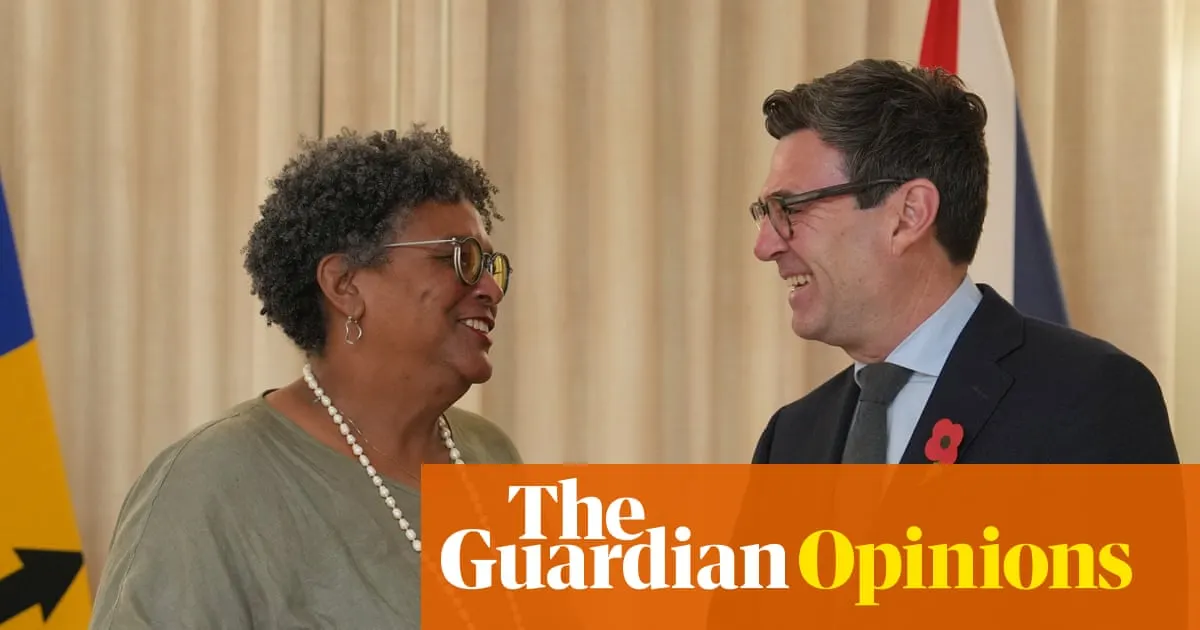
Andy Burnham’s pledge to begin structured dialogue with Caribbean governments on a formal apology for slavery marks a shift in a long-running dispute. The article argues that this opens a necessary process of reconciliation, but that Caribbean countries need practical measures alongside expressions of regret.
Burnham has ruled out financial reparations, while signalling willingness to discuss aid, investment and debt restructuring, with Gordon Brown involved in debt negotiations. The article highlights high debt costs, climate risks and UK aid cuts, and says there is no detailed debt plan; Caribbean leaders stress that apology without repair is incomplete.
In short
- Burnham has pledged dialogue on a formal apology for slavery.
- The UK still rejects financial reparations.
- Caribbean leaders are seeking action on debt, aid and climate pressures.
Steelman: both sides, in good faith
The strongest fair case each way — we don't pick a winner.
The case for
A formal apology could acknowledge the enduring harm of slavery and begin a process of reconciliation between Britain and Caribbean nations. Structured dialogue may also create room for practical measures such as aid, investment or debt relief, which could address present-day pressures without requiring agreement on direct financial reparations.
The case against
An apology that rules out reparations in advance risks offering words of regret while leaving the material legacy of slavery unaddressed. Caribbean leaders can reasonably argue that high debt burdens, climate vulnerability and reduced UK aid make practical repair essential, and that discussion of possible measures is inadequate without a detailed plan.
Explained simply
Britain’s role in the transatlantic slave trade involved the forced transportation and exploitation of millions of Africans, including in Caribbean colonies. Slavery was abolished across most of the British Empire in 1833, but its effects and the question of responsibility remain subjects of debate.
Caribbean governments have called for an apology and measures addressing lasting economic and social consequences. Andy Burnham is a British political leader; Gordon Brown, a former prime minister, is involved in discussions about debt. The debate concerns how Britain and Caribbean countries might address the past, alongside present pressures such as high borrowing costs, climate risks and reduced UK aid.