Oxford Street pedestrianisation tests London’s car-free shopping ambitions
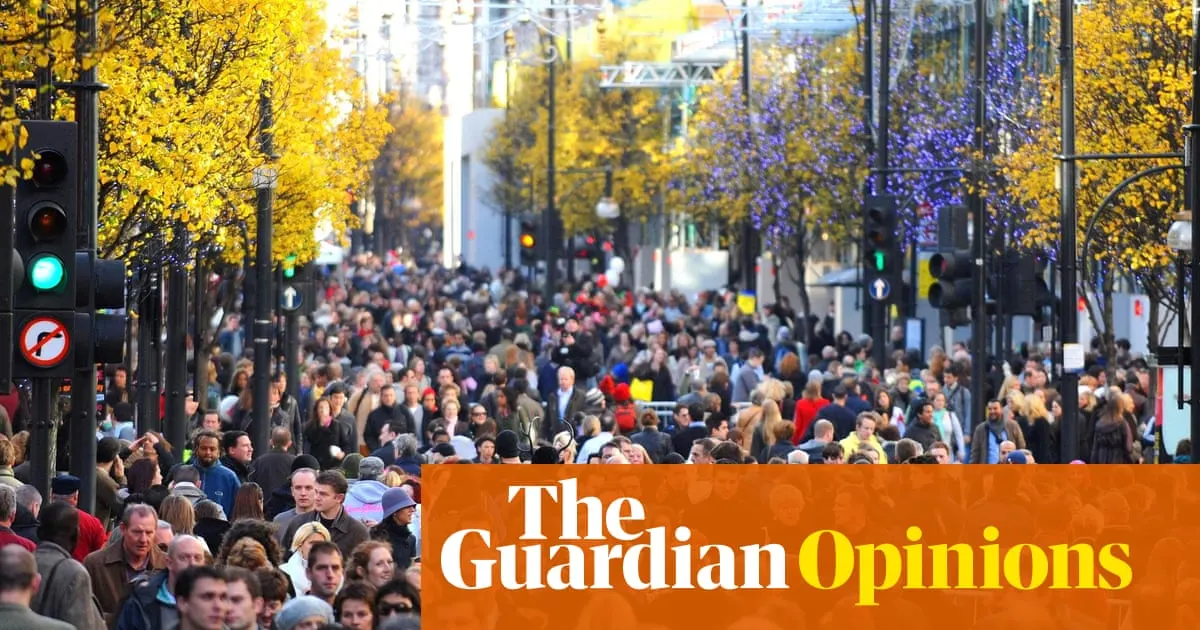
Oxford Street’s busiest stretch is due to close to traffic on Monday under a long-delayed plan championed by London mayor Sadiq Khan since 2016. The scheme aims to make the area more welcoming for pedestrians, cut congestion and pollution, and revive a shopping district where empty shops have increased sharply since the pandemic.
The Greater London Authority estimates the changes could generate £82m in annual value by attracting more visitors, though the effect is not yet known. Car use accounts for 59% of journeys across Britain, compared with 34% in London, and the article argues that reducing it depends on better public transport. Research cited suggests road closures and low-traffic neighbourhoods may cause little lasting displacement of traffic; Oxford Street’s nitrogen dioxide levels have already fallen alongside London’s low-emission policies.
In short
- Oxford Street’s busiest stretch will close to traffic on Monday.
- The scheme aims to revive shopping and make the area more pedestrian-friendly.
- Research suggests traffic displacement may be limited.
Explained simply
Oxford Street is a major shopping road in central London, with many shops and a large number of people passing through. The Greater London Authority, which runs some services across the capital, and London mayor Sadiq Khan have backed plans to give pedestrians more space there.
The debate reflects a wider question about how city centres can attract shoppers while managing traffic and air pollution. Car use is less common in London than across Britain as a whole, partly because more people use public transport, and research has examined how traffic changes when roads are closed or neighbourhoods limit through traffic.
Americas Business Europe Research Science World
Read the full article at the source →
Originally published by The Guardian as “The Guardian view on Oxford Street’s pedestrianisation: cities should be designed around people, not cars | Editorial”.