The “horrible” singer who made Frank Zappa hate rock ‘n’ roll: “Hillbilly music”
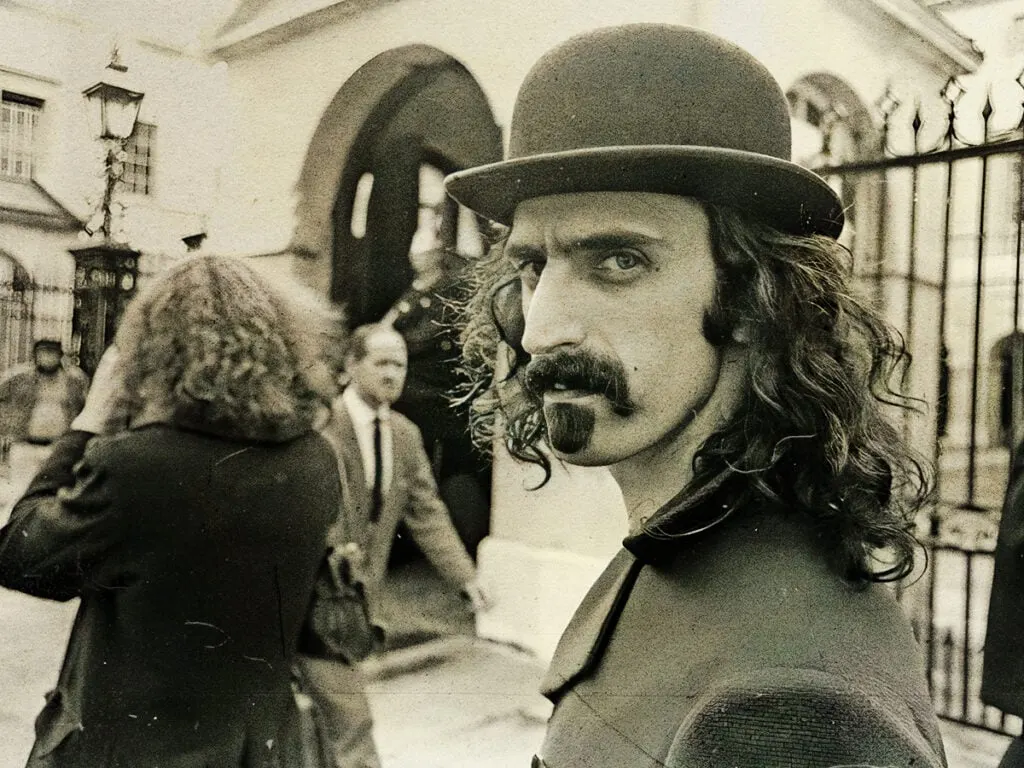
Frank Zappa, the avant-garde musician known for his experimental approach, developed a strong disdain for rock 'n' roll, particularly the music of Elvis Presley. Growing up in Lancaster, California, where there was virtually no live music scene, Zappa formed his own band which played exclusively rhythm and blues, and he explicitly rejected rock 'n' roll as "horrible…hillbilly music." This dismissal reflected Zappa's deep commitment to authenticity and originality in music.
The root of Zappa's dislike was his belief that Elvis's work lacked genuine originality. Most of Elvis's songs were either covers of earlier artists or heavily influenced by musicians who had come before him but never achieved mainstream success. Zappa valued honest, original expression in music, whether experimental or blues-based, and saw Elvis's approach as derivative rather than authentic. This preference for authenticity would go on to define Zappa's legendary career of 62 albums and experimental compositions.
- Zappa dismissed Elvis's rock 'n' roll as "horrible hillbilly music" lacking authenticity.
- Zappa's band played blues and R&B exclusively, rejecting rock 'n' roll entirely.
- The musician valued originality; Elvis's work was derivative covers, not honest art.
New here? Start with this
Frank Zappa was an avant-garde musician known for his experimental approach to composition and performance. Despite his association with rock music, Zappa strongly disliked rock 'n' roll and held Elvis Presley's work in particular contempt, dismissing it as unoriginal "hillbilly music."
Zappa's criticism stemmed from his belief that Elvis lacked genuine originality. Most of Elvis's songs were either covers of earlier artists or heavily influenced by musicians who had achieved little mainstream success themselves. Zappa valued authentic, original expression in music and regarded Elvis's approach as derivative rather than truly innovative.
This commitment to authenticity and originality became central to Zappa's career, which ultimately produced 62 albums of experimental compositions. His contrarian stance on mainstream rock reflected his broader artistic philosophy that musicians should create genuinely new work rather than build upon existing trends.
Both sides, in good faith
The strongest fair case each way — we don't pick a winner.
The case for
Those who share Zappa's perspective argue that authentic artistic expression and genuine originality are fundamental values in music. Elvis, whilst popular, was primarily a synthesiser of existing rhythm and blues and country traditions rather than an innovator who created new forms. For artists committed to pushing boundaries and developing genuinely novel work, this distinction matters deeply—true artistry involves taking genuine creative risks and developing one's own voice rather than perfecting existing templates for commercial success.
The case against
Defenders of Elvis contend that artistic merit cannot be reduced to pure originality. Elvis made a genuine and transformative contribution by bringing Black musical traditions to mainstream white audiences in a way that fundamentally changed popular music, regardless of whether the underlying styles were his invention. Musical evolution works through reinterpretation and synthesis, and Elvis's particular genius lay in his distinctive interpretation, presentation, and cultural impact—qualities that represent authentic artistry in their own right, even if not experimental in the avant-garde sense.