Maidstone hotel could become co-living studios for 65 people
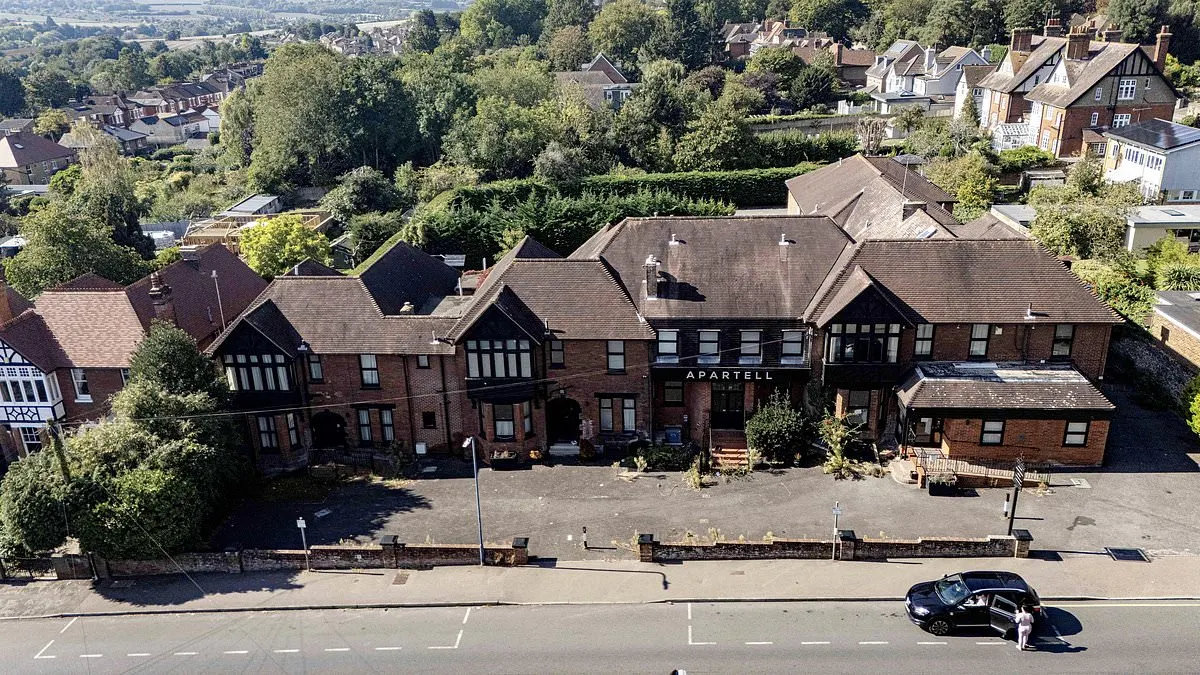
Plans have been submitted to convert a former hotel in Maidstone into co-living studios for up to 65 people, prompting concern among nearby residents about parking, local services and the effect on their neighbourhood. Some fear the site could later be used to house asylum seekers, although no such use is confirmed; the debate reflects anxieties about the scale and location of the proposed housing.
The former Grange Moor Hotel, rebranded The Apartell last year, closed in December after what its owner described as major financial viability problems and a decline in customers. The proposals include communal kitchens, workspaces, a gym, laundry facilities, gardens and private parking with electric vehicle charging. More than 300 objections have been submitted, and Maidstone Council will decide on the application at a later date.
- Plans would create co-living accommodation for up to 65 people.
- Residents fear pressure on parking and local services.
- More than 300 objections have been submitted.
New here? Start with this
A former hotel in Maidstone is being considered for conversion into co-living studios, a type of housing where residents have their own private room but share communal spaces like kitchens and living areas. The Grange Moor Hotel, which rebranded as The Apartell, closed in December after financial difficulties and is now proposed to house up to 65 people in individual studios.
Local residents have submitted more than 300 objections to the plan, raising concerns about parking availability, pressure on local services, and the impact on their neighbourhood. Some have also speculated that the site could eventually be used to house asylum seekers, though no such use is currently confirmed.
Maidstone Council will review the application and make a decision at a later date. The proposal includes communal kitchens, workspaces, a gym, laundry facilities, gardens and private parking with electric vehicle charging points.
Both sides, in good faith
The strongest fair case each way — we don't pick a winner.
The case for
Housing supply remains constrained, particularly for co-living arrangements that serve young professionals and those seeking affordable accommodation. The building is already constructed and vacant, making this a productive reuse that avoids greenfield development. The proposed facilities—shared kitchens, workspaces, gardens and EV charging—represent efficient space utilisation and genuine community benefits. Bringing the site back into productive use removes a deteriorating asset and contributes to addressing the recognised housing shortage.
The case against
Adding 65 residents substantially increases local density with measurable implications for parking provision, waste management, and already-stretched services such as schools and GP surgeries. Residents raising concerns about neighbourhood character and infrastructure capacity are not acting unreasonably. The site's previous transient hotel use does not necessarily establish that permanent co-living housing at this scale is appropriate for this residential location, and the proposed parking provision warrants scrutiny against actual local demand patterns.
Art Celebrity Culture Entertainment World
Read the full article at the source →
Originally published by Daily Mail as “The hotel that could be transformed into a ‘mega HMO’ as neighbours fear it will be used to house asylum seekers”.