The improbable music of the ZX Spectrum’s one-bit speaker
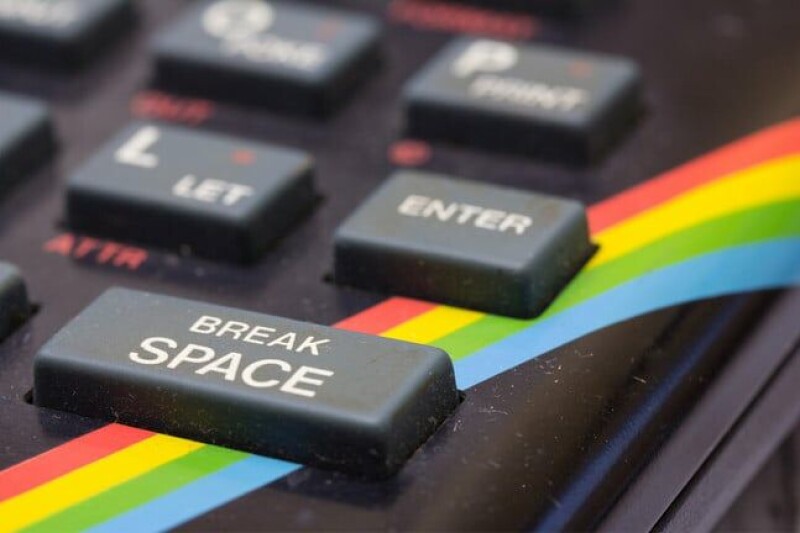
The Register profiles a series of blog posts and online discussions celebrating how programmers squeezed surprisingly rich, multichannel-sounding music out of the Sinclair ZX Spectrum's extremely basic one-bit piezoelectric speaker, which could only be switched rapidly on and off. The piece traces this from Michael Martin's Bumbershoot Software deep-dive into 1-bit sound techniques through to the celebrated work of 1980s coder Tim Follin, showing how clever software tricks compensated for near-nonexistent audio hardware on the original 16K and 48K Spectrum models.
The article highlights that the base Spectrum (unlike the later 128 model with its AY-3-8912 sound chip) relied purely on a beeper, yet enthusiasts still produced remarkable chiptunes, such as the Manic Miner intro and a fragment of Mahler included in the original BASIC manual, later expanded into a full networked performance of Mahler's First Symphony in 2015. It also cites Tim Follin's hand-coded game soundtracks (including Agent X, Future Games and Chronos), achieved without extra hardware like the RAM Music Machine, plus demos such as Ben Daglish's Dark Fusion and Rich "Tufty" Hollins's full one-bit album ON and OFF, available on Bandcamp and YouTube.
- ZX Spectrum's crude one-bit beeper produced surprisingly complex chiptune music
- Bumbershoot Software's blog details 1-bit sound-coding techniques in depth
- Tim Follin's 1980s game soundtracks and other demos showcase the hardware's limits pushed
New here? Start with this
Sinclair's ZX Spectrum, launched in 1982, was built down to a price, and its sound hardware reflected that: the basic 16K and 48K machines had no dedicated sound chip, only a small "beeper" that could simply be switched on or off. In theory that limited the computer to crude clicks and beeps, yet programmers found ways to coax surprisingly musical, even multi-part, sound out of it using nothing but clever software timing.
This tradition runs from early examples baked into the machine's own instruction manual through to well-known games of the era, and has kept enthusiasts experimenting with the format long after the hardware itself became a retro curiosity. Later Spectrum models added a proper sound chip, but it is the original beeper's limitations, and what people managed to do despite them, that continue to fascinate programmers and retro-computing fans today.
The renewed interest comes from writers and coders revisiting these techniques online, tracing how a one-bit speaker was pushed far beyond its apparent capabilities, and celebrating the ingenuity involved rather than any new piece of hardware or technology.