Trump doubles down on support for ‘natural’ Irish reunification saying he ‘loved’ making UK politicians angry – as allies including Farage attack president
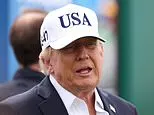
Donald Trump has reiterated his support for a united Ireland, saying he "loved" the anger his comments provoked among right-wing British politicians. His remarks, made during a two-day visit to the Irish Republic combining diplomacy and golf, have deepened strains in the UK-US relationship and drawn sharp criticism from senior figures across the political spectrum, including allies who would normally back him.
Speaking alongside Taoiseach Micheál Martin at Farmleigh Estate on Saturday, the 80-year-old president said Irish reunification was "one of the naturals of all time" and would "happen eventually", predicting it "may as well happen now". Conservative leader Kemi Badenoch accused him of "shooting from the hip", while Nigel Farage said he disagreed with the president, insisting Northern Ireland was "a proud and integral part of the United Kingdom". The comments were welcomed by Irish nationalist figures, including SDLP leader Claire Hanna, but condemned by Democratic Unionist Party leader Gavin Robinson, and Communities Secretary Angela Rayner declined to be drawn into the row while stressing the UK's commitment to the Good Friday Agreement.
In short
- Trump says he "loved" angering UK politicians over Irish unity remarks
- Badenoch, Tugendhat and Farage criticised his comments as unhelpful
- Nationalist politicians welcomed the stance; unionists condemned it
Steelman: both sides, in good faith
The strongest fair case each way — we don't pick a winner.
The case for
Supporters of reunification can argue that Irish unity is a legitimate democratic aspiration, particularly if people in Northern Ireland freely choose it through the consent-based process set out in the Good Friday Agreement. They may see Trump’s comments as recognising that possibility and as reflecting the historical and cultural ties shared across Ireland.
The case against
Those opposed to reunification can argue that Northern Ireland is currently part of the UK and that its constitutional status should remain so unless a majority there freely votes otherwise. They may see a US president publicly predicting unity as unhelpful interference that risks straining UK-US relations and unsettling a delicate political settlement.
Explained simply
Trump has just made a two-day trip to the Republic of Ireland, a visit that mixed official diplomacy with a stop at one of his golf resorts. During the trip he spoke publicly in support of a united Ireland, meaning the reunification of Northern Ireland (currently part of the United Kingdom) with the Republic of Ireland, a neighbouring but separate country.
This is a sensitive subject because Northern Ireland's constitutional status has long been a source of division. Unionists want it to stay part of the UK, while nationalists want it to join the Republic; the 1998 Good Friday Agreement was designed to keep peace between the two sides and says any change to that status must be decided by a public vote. Comments from a sitting US president on the issue carry particular weight given America's historical role in that peace process.
Trump's remarks have drawn criticism from UK political figures across the spectrum, including some who are normally supportive of him, while being welcomed by some Irish nationalist politicians and criticised by unionist ones. The episode has added further tension to the relationship between the UK and US governments.
Business Cricket Government Markets Politics Sport UK World