World news and discussion on TalkFuse.
The Indian ‘Tamasha queen’ whose fans paid for a show that never happened
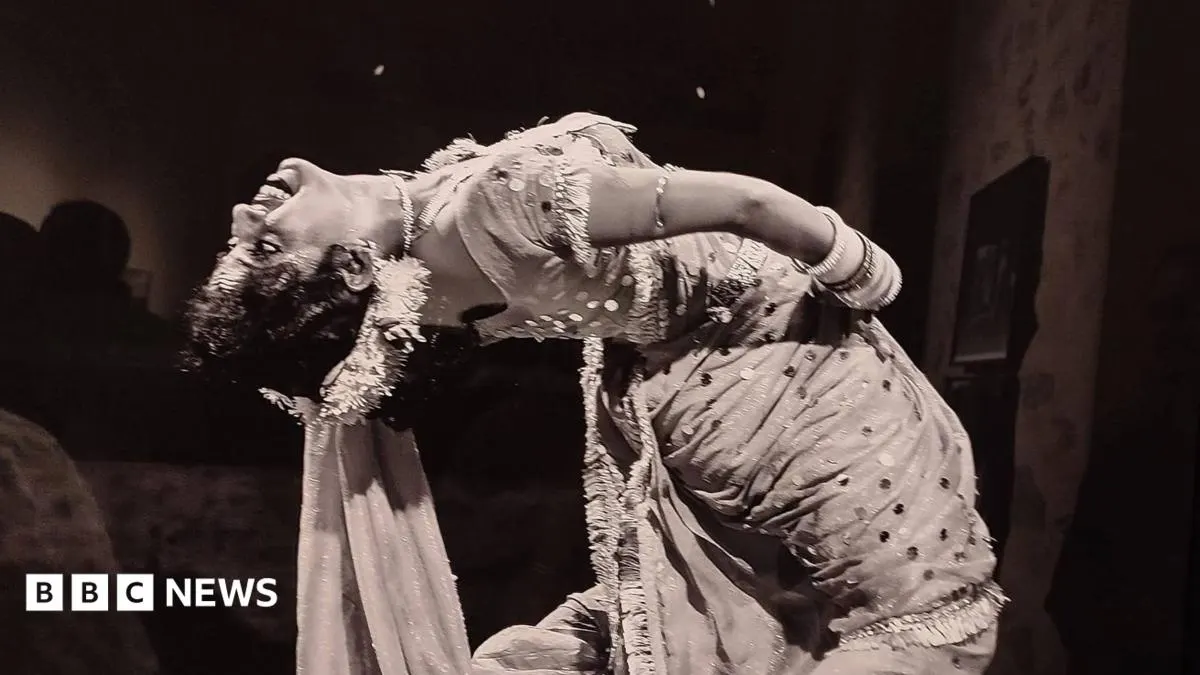
Vithabai Narayangaonkar, a celebrated singer, dancer and troupe leader, became known as the “empress of Tamasha”, Maharashtra’s travelling folk theatre. Her life is inspiring a Bollywood musical, Eetha, due for release on 4 December, renewing discussion about the art form and the caste discrimination its performers faced.
Born in 1935 into a family of performers, Vithabai joined a theatre group at eight and her father’s troupe at 13, later taking it over with her husband and cousin. Tamasha combines music, dance, comedy and drama, with Lavani songs often addressing social and political themes; the film’s director says it is not a biopic, while the decision to change Vithabai’s name has prompted criticism because her original name reflected her Dalit community and family roots.
In short
- Vithabai Narayangaonkar became a leading star of Maharashtra’s Tamasha theatre.
- Her life has inspired the Bollywood musical Eetha, due on 4 December.
- The film’s name change has renewed debate over caste and representation.
Steelman: both sides, in good faith
The strongest fair case each way — we don't pick a winner.
The case for
Supporters of the film's approach argue that a work 'inspired by' a real figure is a fictional creation, and that its director is entitled to shape characters and names to serve the storytelling rather than a documented life. They may note that the film's aim is to renew attention to tamasha and its history, not to offer a historical record, and that artistic freedom and wider public engagement with the art form can matter more than preserving one identifying detail.
The case against
Critics argue that Vithabai's original name was not incidental but a marker of her Dalit community and family roots, in a story where caste shaped both her hardships and her public achievements. Removing it, they contend, risks erasing the very identity that made her history significant and that the art form's social critique was meant to confront. For them, a film celebrating her legacy should honour the name and what it signifies, because representing marginalised people depends on keeping such specifics intact.
Explained simply
Tamasha is a traditional folk theatre form from the Indian state of Maharashtra, performed by travelling troupes. Its shows mix music, dance, comedy and drama, and its songs, known as Lavani, often address social and political questions. Performers have traditionally come from lower-ranked communities within India's caste system.
Vithabai Narayangaonkar, born in 1935, grew up in a family of performers. She joined a theatre group at eight and her father's troupe at 13, later taking it over with her husband and cousin. She became widely celebrated and was known as the "empress of Tamasha".
Her life is the inspiration for Eetha, a Bollywood musical due for release in December, which has reopened discussion about the art form and the caste discrimination its performers faced. The film's director has said it is not a biopic. Its decision to change Vithabai's name has drawn criticism, as her original name reflected her Dalit community, a term for groups historically placed at the bottom of the caste system, and her family's roots.
Asia Entertainment Music World