Chiara King’s influencer thriller blurs satire with familiar social media tropes
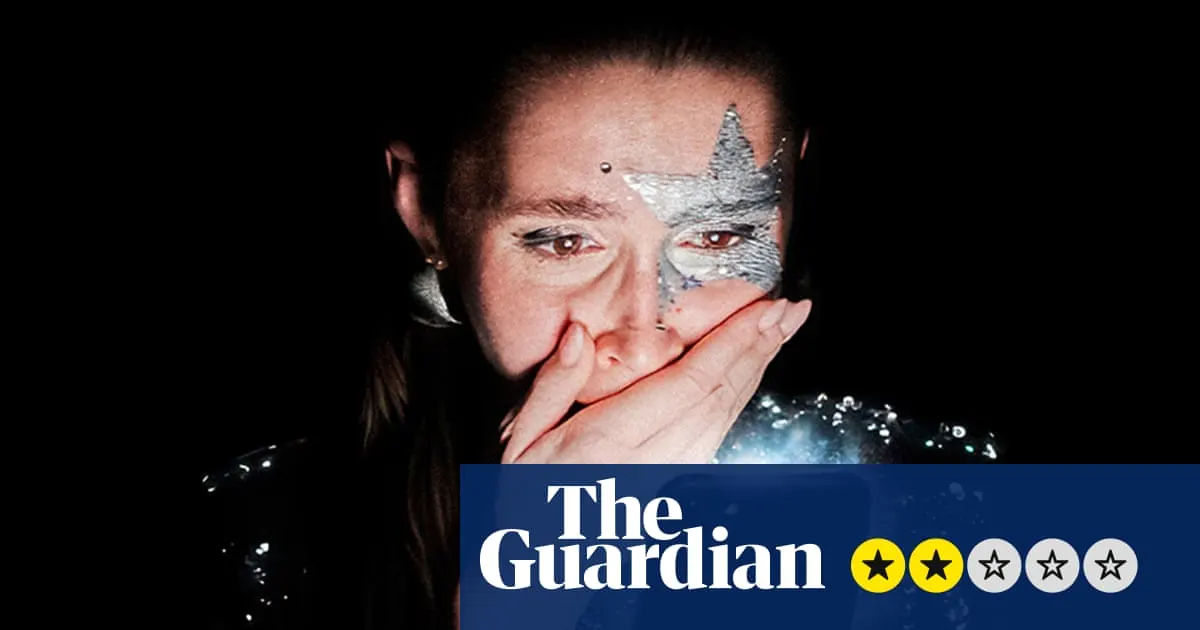
Influencer Chiara King stars as a version of herself in a thriller that follows her sponsored trip to Copenhagen, where a stream of social media content is disrupted by threatening messages from a stalker. The film satirises the influencer industry while also imitating and profiting from its familiar online formats, raising questions about whether it critiques or exploits the behaviour it depicts.
Chiara is invited by a tourist organisation through her manager, Alice, and spends the trip filming shopping, restaurant visits and a livestreamed haunted-house tour. The threats demand that she stop talking and include threats of sexual violence; she continues partly because leaving would cost her $100,000 in deals. The review says the film draws on reported stalking incidents, and it is due in UK and Irish cinemas on 16 October.
- Chiara King’s sponsored Copenhagen trip is disrupted by stalker threats.
- The thriller both mocks and imitates influencer culture.
- Staying could protect $100,000 in deals, but at a cost.
New here? Start with this
Chiara King is an influencer, a content creator who earns money through sponsored posts and partnerships. In the new thriller she stars in, she plays a version of herself during a sponsored trip to Copenhagen, where she creates social media content.
During the trip, King's character receives threatening messages, including threats of sexual violence, but continues creating content. She does so partly because leaving the trip early would cost her $100,000 in sponsorship deals, creating a tension between personal safety and financial obligations.
The film attempts to satirise influencer culture whilst simultaneously imitating its familiar formats and conventions. This raises questions about whether the film critiques the industry or exploits the same patterns it depicts.
Both sides, in good faith
The strongest fair case each way — we don't pick a winner.
The case for
Effective satire necessarily mirrors the thing it critiques, and the film engages substantively with how the influencer industry's economic incentives create moral compromise—its protagonist continues broadcasting despite serious threats because $100,000 is at stake, a genuine critique of a real phenomenon. Drawing on documented stalking incidents grounds the satire in actual harm rather than inventing strawmen, and dramatising these experiences can prompt audiences to confront uncomfortable truths about influencer culture and their own consumption of it.
The case against
The film cannot meaningfully critique influencer culture while simultaneously reproducing and profiting from its exact mechanisms—the sponsored trips, aesthetic formats and content strategies remain identical. Using satire as a label risks legitimising what is essentially exploitation of real anxieties and threats women experience online, particularly sexual violence, as entertainment. Without clear critical distance or a genuinely different approach, the film may be indistinguishable from the influencer content it claims to comment on, making the distinction between satire and complicity purely semantic.
Celebrity Culture Entertainment Fitness Food Health Music UK World
Read the full article at the source →
Originally published by The Guardian as “The Influencer Project review – ick-inducing thriller exploits overexposed tropes”.