World news and discussion on TalkFuse.
The Intercept Sues U.S. Military Over Iran Casualty Tally and Blacklist of Journalists
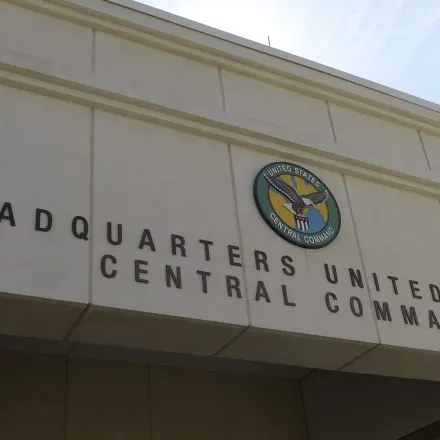
The Intercept and the Freedom of the Press Foundation have filed two lawsuits seeking Pentagon records about US casualties in the war on Iran and a reported blacklist of journalists. The cases matter because the groups say the military has not answered their public-records requests, leaving questions about casualty reporting and how the Pentagon deals with reporters unresolved.
The first lawsuit concerns changes to the military’s public casualty tracker, including its failure to record one soldier’s death for six months, as well as requests for casualty briefings, internal guidance and the war’s financial costs since it began in February. The second seeks records about a reported CENTCOM list of journalists to disregard; a spokesperson had threatened to put reporter Nick Turse on such a list, while the command later denied one existed. The groups say they have received no documents in response to their requests.
In short
- Two lawsuits seek Pentagon records on Iran war casualties and journalist blacklists.
- The military tracker reportedly omitted one soldier’s death for six months.
- The groups say the Pentagon has not answered their records requests.
Steelman: both sides, in good faith
The strongest fair case each way — we don't pick a winner.
The case for
The lawsuits argue that the public has a strong interest in accurate casualty reporting, the costs of a war and the military’s treatment of journalists. If public-records requests have gone unanswered, court action may be a necessary way to establish what happened and whether official practices are consistent with transparency and press freedom.
The case against
The Pentagon and CENTCOM may argue that records about wartime operations, casualty procedures or communications with reporters require careful review, and that delays or limited disclosure can reflect legitimate operational or privacy concerns. They may also contend that a reported threat to disregard a journalist does not establish that a blacklist exists, so the claims should be assessed on the evidence rather than assumed to be true.
Explained simply
The Pentagon is the US government department that oversees the armed forces. US Central Command, or CENTCOM, directs American military operations in the Middle East, including the war with Iran, which began in February.
The Intercept is a news organisation, and the Freedom of the Press Foundation supports press freedom. They are seeking government records under public-records laws, which allow people to request documents from federal agencies.
The requests concern how the military records deaths and tracks the war’s costs, and whether CENTCOM has a list of journalists it would disregard. The command has denied that such a list exists; the records could help clarify how casualty information is handled and how the military communicates with reporters.