Politics news and discussion on TalkFuse.
The International Criminal Court came up short in vetting judicial candidates, AP reporting finds
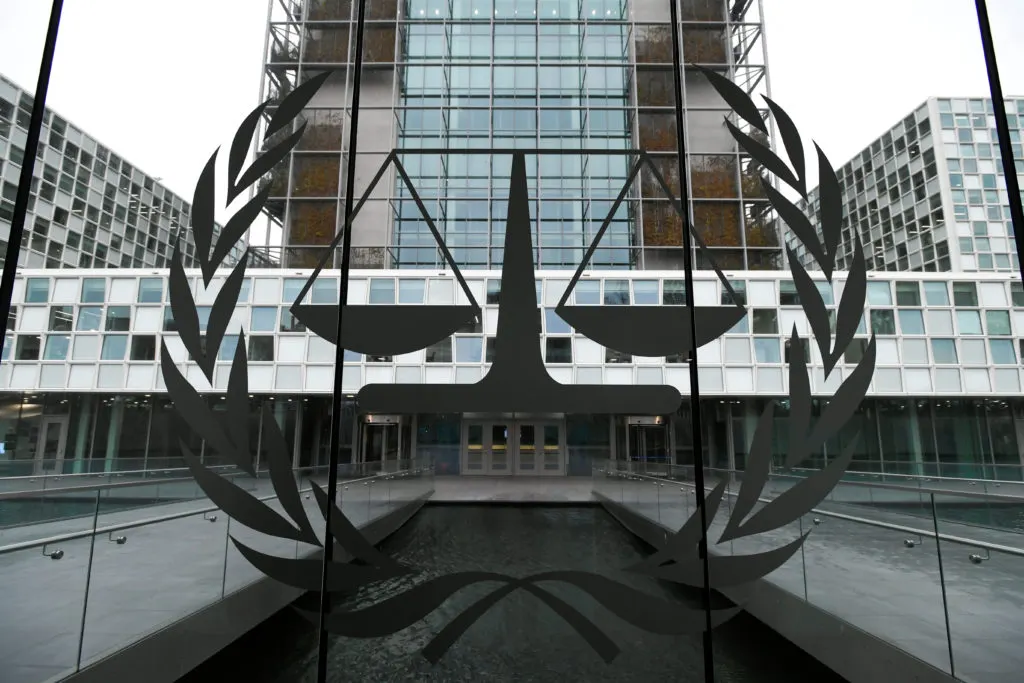
The International Criminal Court did not fully investigate complaints against two judicial candidates or share them with countries voting on the nominees, an Associated Press investigation found. The shortcomings raise questions about the court’s new vetting process, introduced after criticism over how it handles misconduct allegations.
The court received complaints about seven of 14 candidates in the election, including allegations of bullying, inappropriate behaviour, retaliation threats, bribery and false credentials. It said investigating two complaints would have risked revealing complainants’ identities; other allegations were examined, but findings came too late for the candidate-assessment committee. In one case, AP spoke with 13 people who had worked with the candidate, several of whom described similar behaviour, while the nominating country said it could not substantiate the claims.
In short
- ICC vetting left two complaints against judicial candidates uninvestigated.
- Complaints were filed against seven of the 14 nominees.
- Some findings came too late for candidate assessors to consider.
Steelman: both sides, in good faith
The strongest fair case each way — we don't pick a winner.
The case for
Defenders of the court's approach argue that protecting complainants is a legitimate duty, since a detailed investigation of two complaints could have exposed people who came forward about bullying, retaliation or misconduct, and could deter others from reporting in future. They would point out that the court did examine the other allegations and that a confidential, careful process is preferable to a rushed one that might not withstand scrutiny. On this view, the new vetting system is still being built, and shortcomings in its first cycle are a reason to refine it rather than abandon its aims.
The case against
Critics contend that member states voting on judges cannot make an informed choice if serious allegations are neither fully investigated nor shared with them, and that the reform was meant to address exactly this kind of failure. They would argue that protecting complainants does not require silence altogether, since anonymised or summarised findings could have been passed on, and that the accounts gathered from people who worked with one candidate suggest the concerns were substantive. For them, findings arriving after the committee has finished its work undermines the accountability the reform was intended to secure.