Science news and discussion on TalkFuse.
Tests begin to assess lead fallout after Iowa detonation
Developing story first seen 3 hours ago
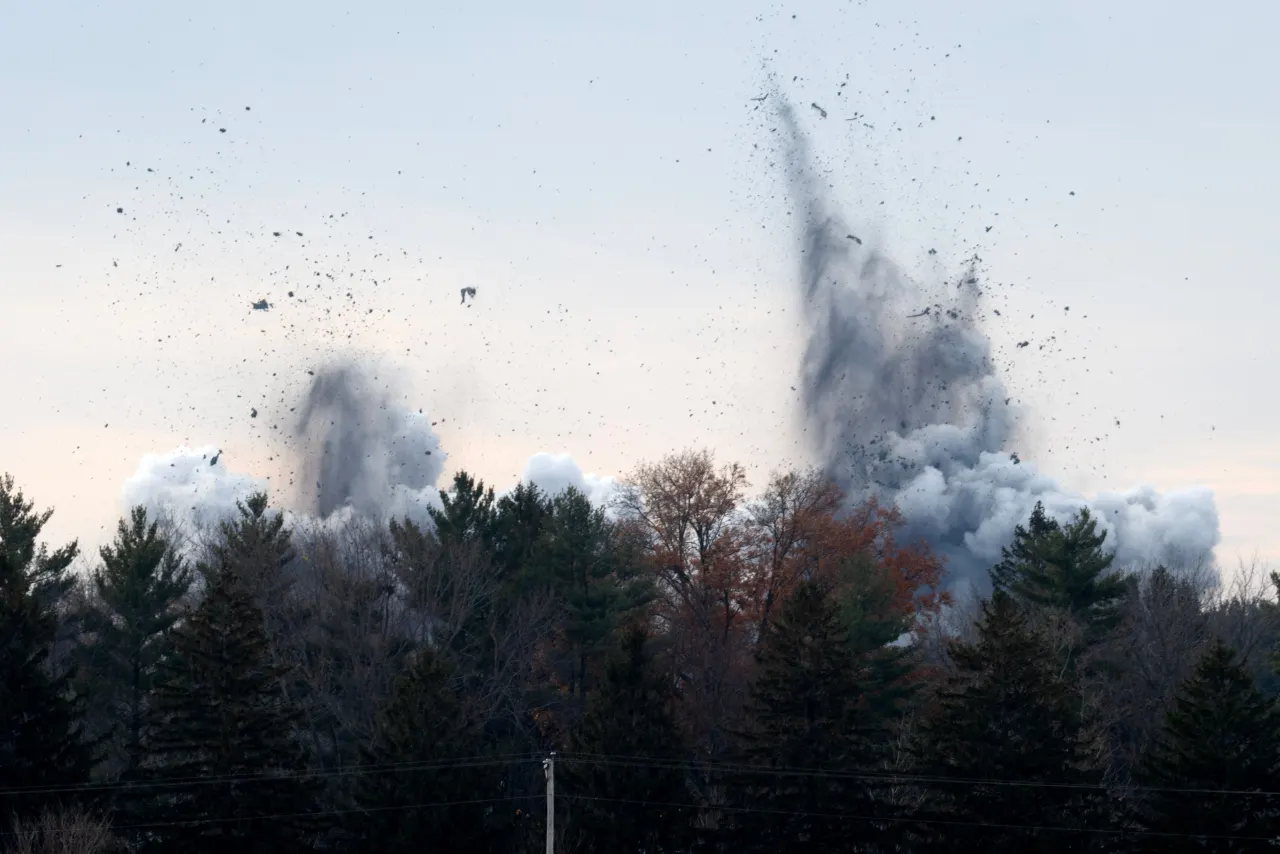
The Army has detonated nearly five tons of unstable lead azide near Middletown, Iowa, and a wider monitoring effort is now under way to establish whether the blast spread lead into nearby communities. Preliminary checks found no lead in the air around the site, but it could take days to understand the full extent of any fallout.
Federal agencies, universities and residents are testing air, soil and water. The Army built a dam around the site, NASA is using research aircraft and satellites, and University of Iowa and Purdue researchers are collecting samples; some detailed laboratory results may take about a week. The operation followed decades of storage and limited advance communication with nearby towns, fuelling public distrust, so university researchers say comparing their findings with government monitoring may help build confidence.
- Sources
- 2
- Outlets
- 2
- Left · Centre · Right
- 0 · 0 · 1
In short
- Nearly five tons of unstable lead azide were detonated in Iowa.
- Early checks found no airborne lead near the site.
- Broader testing may take days, with detailed results taking about a week.
How this story developed
- 7 minutes ago Researchers at the University of Iowa and Purdue joined the monitoring effort, with NASA tracking conditions by aircraft and satellite and more sensitive laboratory results expected to take about a week.
- 20 minutes ago The Army blew up nearly five tons of unstable lead azide near Middletown, Iowa, prompting air, soil and water monitoring as officials assessed whether lead had spread to nearby communities.
Steelman: both sides, in good faith
The strongest fair case each way — we don't pick a winner.
The case for
The Army’s decision to detonate the unstable material on site can be defended as a way to avoid the risks of transporting it, while containment measures and monitoring aim to limit and assess any harm. Testing by government, university and independent researchers can build a fuller picture of possible exposure and help guide a response.
The case against
Detonating nearly five tons of lead azide near populated areas creates understandable concern about fallout, especially while its full extent remains unknown. Limited advance communication may also weaken public trust, so residents can reasonably argue that transparent, independent testing and clear disclosure are essential to judging whether the decision and safeguards were adequate.
Explained simply
Lead azide is a chemical used in explosives, including military ammunition. It becomes more dangerous to handle as it ages, so moving old stock can pose a risk. The US Army is responsible for managing its munitions, while nearby communities may be affected if hazardous material reaches the air, soil or water.
After an explosive is detonated, researchers can test the surrounding area for contamination. Federal agencies, universities and local residents may all contribute, using air, soil and water samples to build a clearer picture. Different tests take different amounts of time, and comparing results can help people understand what was released and where it may have travelled.
The issue matters because possible exposure can affect public health, while uncertainty about the evidence can shape trust in the Army and government agencies. Clear communication and access to reliable monitoring are therefore important to residents living near military sites.
Coverage · 2 sources
Read the full article at the source →
Originally published by Wired as “The Iowa Lead Detonation Happened. Now the Real Work Begins to Study It”.