The Iran war’s unexpected impact on US defenses against China threat downplayed by top Army leader
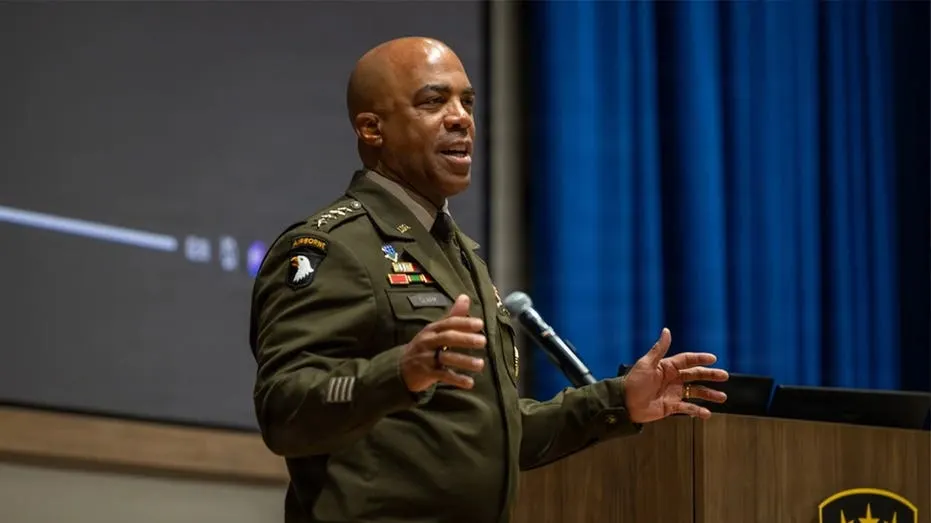
Gen Ronald Clark, commander of US Army Pacific, says the redeployment of Patriot and THAAD air-defence systems from the Indo-Pacific to support the Iran war has not raised the risk to US forces there. He says the shift has created an opportunity to modernise equipment and train crews, as the US continues preparing for a possible conflict with China while seeking to deter one.
An October Congressional Research Service report estimated that US forces had used about 1,700 Patriot and 200 THAAD interceptors during the conflict; the Congressional Budget Office put use of some interceptor stocks at between half and two-thirds. The Pentagon’s inspector general has reported shortages and production bottlenecks. Clark said China’s military build-up is continuing despite recent diplomatic progress, and described possible renewed US-China disaster-response exchanges as a way to maintain communication.
- Clark says redeployments have not increased Indo-Pacific risk.
- The conflict has used large numbers of missile interceptors.
- US commanders still see China preparing militarily.
New here? Start with this
The United States has stationed forces across the Indo-Pacific, the region stretching from the Pacific Ocean to the Indian Ocean, as it seeks to deter a possible conflict with China. China has expanded its military capabilities, while Washington and Beijing have also pursued diplomacy and practical exchanges, including cooperation on disaster response.
Patriot and THAAD are US air-defence systems designed to intercept incoming missiles. They have been moved from the Indo-Pacific to support the US campaign against Iran, drawing attention to how much equipment is available for other regions and how quickly it can be replaced.
US Army Pacific oversees Army forces in the region, and its commander, Gen Ronald Clark, has said the redeployments have not increased risks to US troops there. Reports from Congress and the Pentagon have described heavy use of interceptors and limits on supplies and production, making stock levels relevant to US plans for the Indo-Pacific.
Both sides, in good faith
The strongest fair case each way — we don't pick a winner.
The case for
Redeploying some air-defence systems to meet an immediate wartime need can be justified if commanders judge that forces in the Indo-Pacific remain adequately protected. The pause may also create time to modernise equipment and train crews, while disaster-response exchanges and diplomacy help reduce the chance of conflict with China.
The case against
Using large numbers of scarce interceptors could leave US forces less prepared if a crisis with China arises before stocks are replenished, especially given reported shortages and production bottlenecks. Modernisation and training may bring longer-term benefits, but they do not replace the immediate protection that deployed systems provide, so the risk merits scrutiny.
Americas Asia Business Cricket Geopolitics Markets Middle East Politics Sport World