Culture news and discussion on TalkFuse.
The largest battery-electric plane ever made has flown for the first time
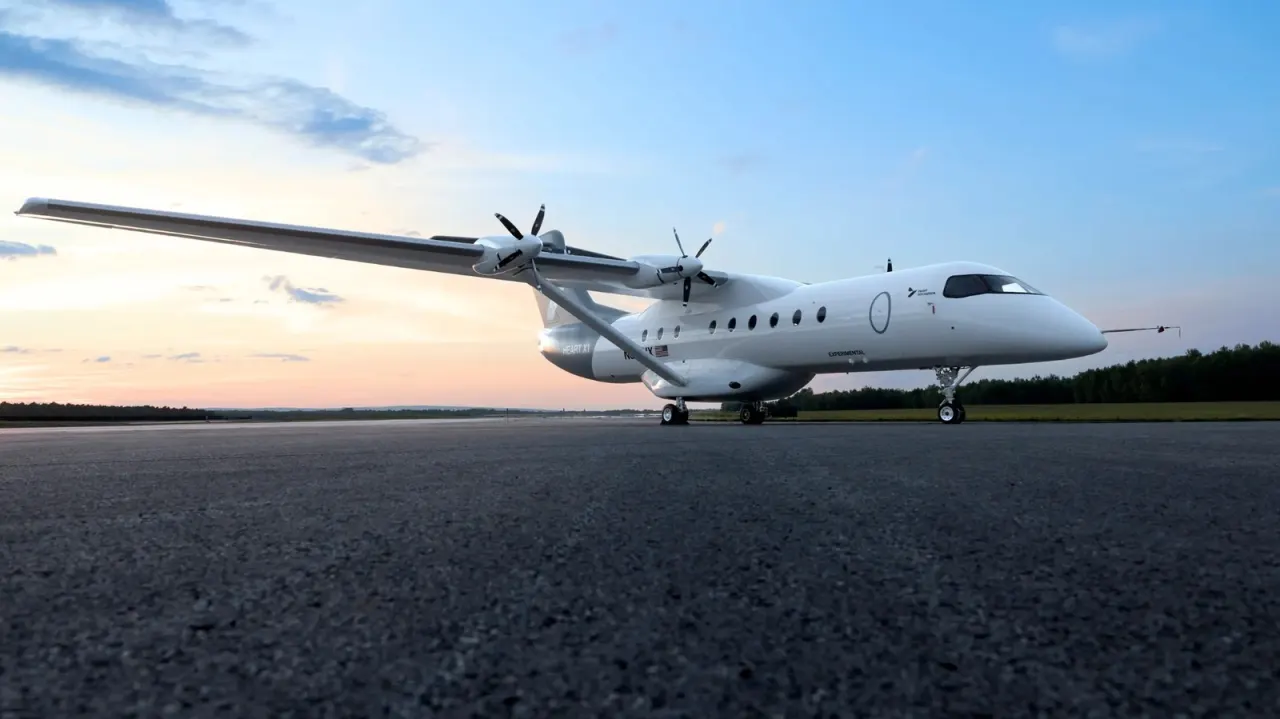
Heart Aerospace says its X1 prototype, described as the largest battery-electric aircraft yet built, has completed its first flight in New York. The 27-minute test demonstrates progress towards lower-emission regional aviation, though commercial viability will depend heavily on further improvements in battery technology.
The aircraft reached 1,100 feet and reportedly used under $5 of electricity for take-off, flight and landing. Heart plans to develop the 30-seat ES-30 hybrid regional aircraft, targeting a 125-mile electric range and up to 500 miles with hybrid power; it hopes to enter service in 2031, an ambitious timetable.
In short
- Heart Aerospace’s electric X1 prototype completed its first flight.
- The 27-minute flight reportedly used under $5 of electricity.
- A 30-seat hybrid aircraft is targeted for service by 2031.
Steelman: both sides, in good faith
The strongest fair case each way — we don't pick a winner.
The case for
This successful first flight demonstrates that battery-electric aviation is technically feasible at meaningful scale, building on rapid improvements in battery technology and declining costs. The low operational expense combined with a realistic development timeline suggests genuine commercial potential, particularly for high-frequency regional routes that constitute a significant portion of aviation demand. Progress on energy density and battery performance continues to accelerate, making the 2031 target plausible.
The case against
Whilst the prototype flight shows technical progress, advancing from proof-of-concept to certified commercial aircraft involves formidable regulatory, financial and manufacturing hurdles. Fundamental constraints of current battery technology, the extremely aggressive 2031 timeline, and unproven airline demand suggest commercial viability remains undemonstrated; sustainable fuels or hydrogen alternatives may prove more practical for aviation decarbonisation in the foreseeable future.
Explained simply
Electric aircraft use motors powered by batteries rather than burning jet fuel or aviation petrol. They are being developed as a possible way to cut emissions and noise on short flights, but today’s batteries store far less energy for their weight than conventional fuels.
Heart Aerospace is a Swedish company working on aircraft for regional routes, which link smaller cities and airports. Its X1 is a test aircraft rather than a passenger plane, designed to help engineers assess how a large battery-powered aircraft performs in the air.
The company’s planned ES-30 would carry up to 30 people and combine battery power with a hybrid system for longer journeys. Whether such aircraft can be widely used will depend on advances in batteries, safety approval, charging facilities at airports and the economics of operating them.