‘The Last of Us’ Season 3 Is Making Its Biggest Story Change Yet
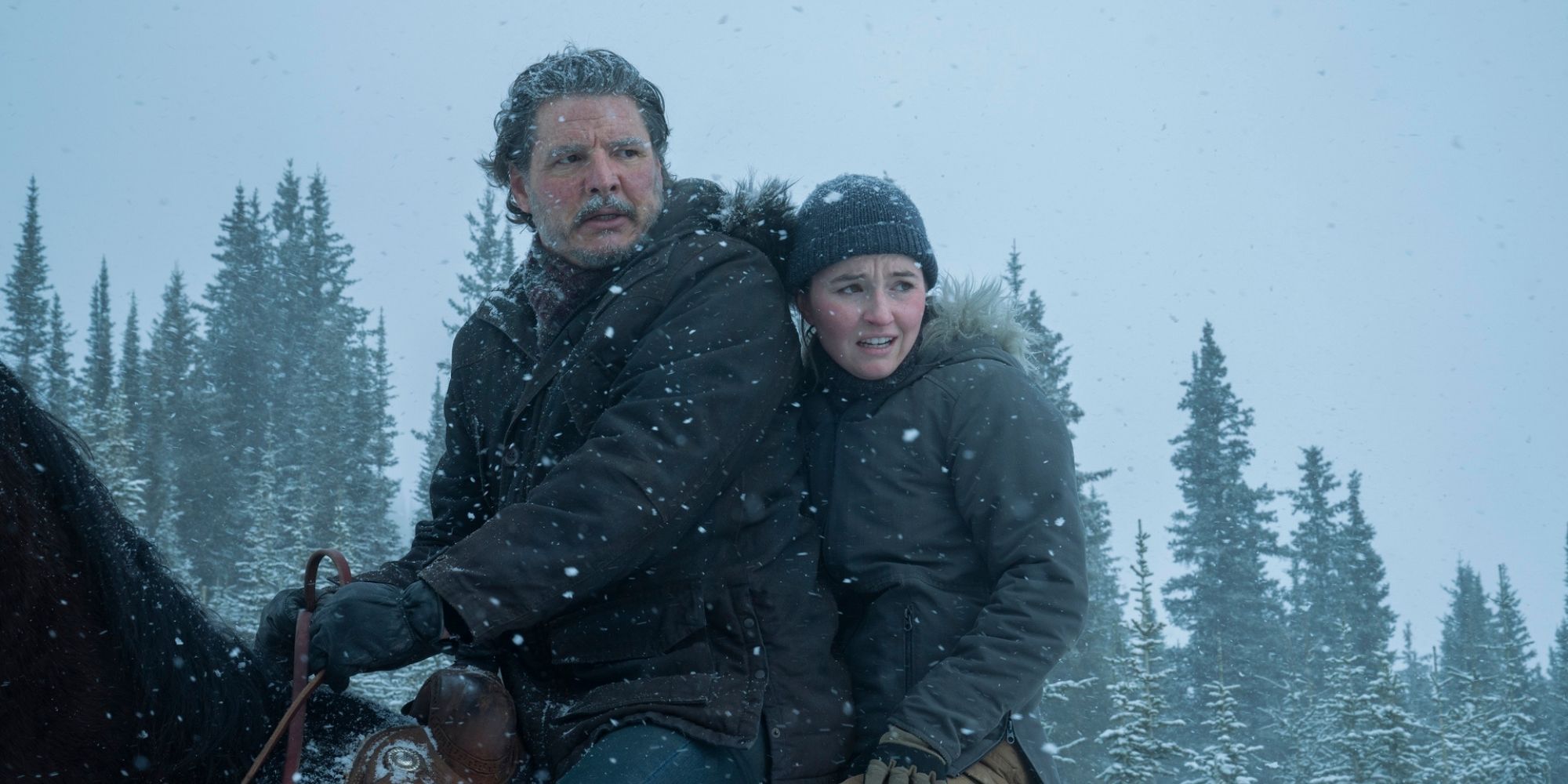
HBO's The Last of Us is preparing to devote its third season to showing events from Abby Anderson's point of view, a structural shift the outlet describes as the show's biggest story change so far. The series, adapted by Craig Mazin with game creative director Neil Druckmann, has largely stayed close to its source material and earned strong critical acclaim, with Pedro Pascal's Joel Miller a fan favourite before his death partway through Season 2.
The change follows the narrative structure of The Last of Us Part II, the video game on which the later seasons are based, which splits its story between Ellie and Abby, the woman responsible for killing Joel, to explore how cycles of violence turn potential heroes into something darker. By giving Season 3 over to Abby's perspective, the show is expected to deepen that dual viewpoint for television audiences following Joel's death.
- The Last of Us Season 3 will centre on Abby Anderson's perspective.
- This mirrors The Last of Us Part II's dual Ellie/Abby narrative structure.
- Change follows Joel's (Pedro Pascal) death in Season 2.
Both sides, in good faith
The strongest fair case each way — we don't pick a winner.
The case for
Supporters of the shift argue that Part II's dual-perspective structure was never an incidental device but the whole point of the story, forcing audiences to sit with a character they resent until they understand her. Preserving that structure on screen honours Neil Druckmann's original creative intent as co-creator and avoids flattening a morally complex tale about cycles of violence into a simple revenge plot. Given the show's track record of fidelity to the games and the critical acclaim that fidelity has earned, they see this as the adaptation staying true to what made the source material distinctive rather than softening it for a wider audience.
The case against
Sceptics, including many fans still processing Joel's death, worry that devoting an entire television season to Abby risks losing the emotional momentum built around Pedro Pascal's popular portrayal, at a point when goodwill is already fragile. They note that a video game can make players inhabit an unsympathetic character directly through interactive play, a mechanism television cannot replicate, so what worked as a psychologically bold experiment in the game may simply feel like an unwelcome detour on screen. For viewers who came to the show primarily for Joel and Ellie's relationship, asking them to spend a full season empathising with the person responsible for his death, without the same interactive investment, is seen as a considerable gamble with audience patience and ratings.