The Last of Us, Skyrim and More Get Unreal Makeovers With Nvidia’s Controversial AI Tech
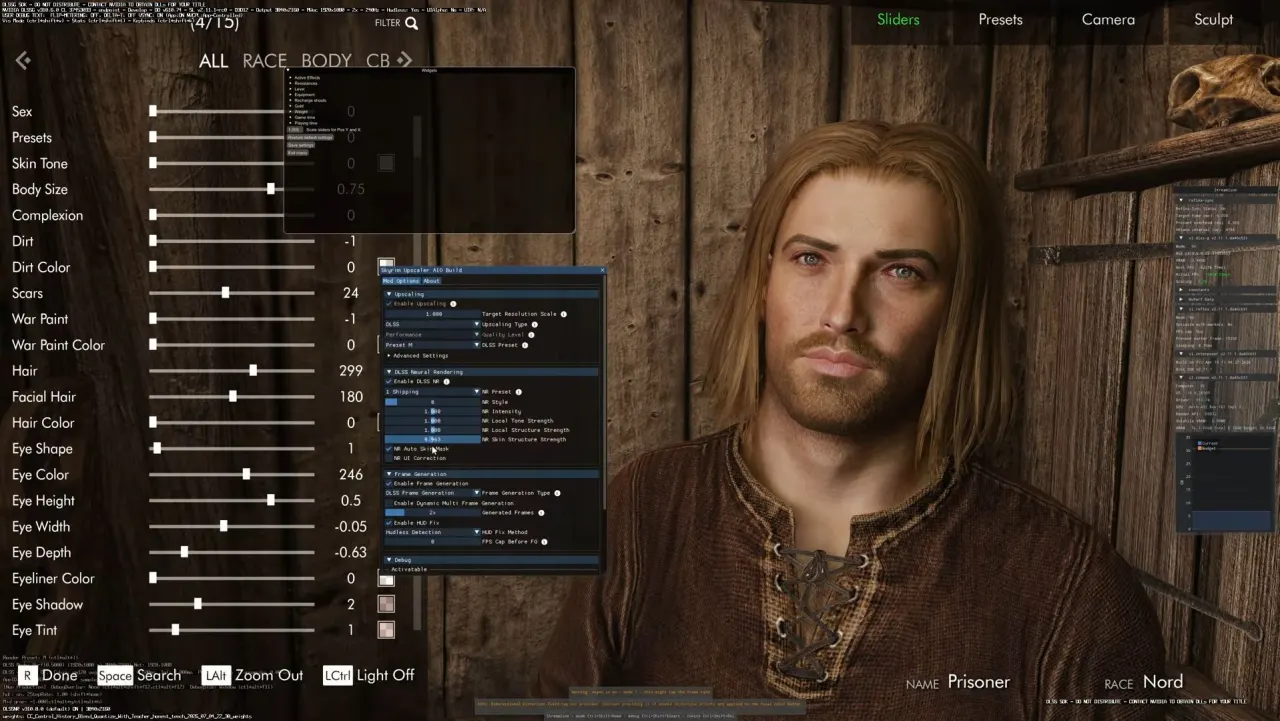
Leaked, unfinished files apparently linked to Nvidia’s DLSS 5 have allowed PC players to test its AI-based real-time rendering technology in games including Skyrim, Grand Theft Auto: San Andreas and The Last of Us Part 2. The results have renewed criticism that the technology can alter a game’s intended appearance—particularly faces—despite Nvidia’s earlier claim that it preserves studios’ artistic intent.
Footage shared by players suggests the filter can make vegetation and lighting appear sharper and more vivid, such as in wooded scenes in The Last of Us Part 2. However, users say it often gives characters overly smooth, glossy or highly contrasted appearances; the article notes that the build is unfinished and not intended for public use, but argues that the demonstrations may further damage DLSS 5’s reputation before any official release.
- Leaked DLSS 5 files prompted unofficial tests in major PC games.
- Visual improvements are offset by criticised facial rendering.
- Nvidia says the technology remains unfinished.
New here? Start with this
Nvidia makes graphics chips and software used to improve how games look and run. DLSS is a set of Nvidia technologies that uses artificial intelligence to generate or enhance images in real time, helping games display detailed visuals.
Game studios create a particular look for each game, including its lighting, scenery and characters. AI-based changes can affect those choices, so players and developers may differ over whether an image enhancement keeps a game’s intended appearance.
This debate matters because graphics tools can shape how players experience a game, while studios have a stake in how their work is presented. Testing unfinished software can show possible effects, but may not reflect how a finished version will look or behave.
Both sides, in good faith
The strongest fair case each way — we don't pick a winner.
The case for
Supporters could argue that AI rendering offers sharper vegetation and more vivid lighting in real time, potentially improving visual clarity and atmosphere without requiring studios to rebuild older games. Because the leaked build is unfinished and was not meant for public use, its flaws may not represent the technology’s eventual quality or how studios choose to apply it.
The case against
Critics could argue that changing faces, lighting and other visual details risks overriding choices that are part of a game’s artistic identity, especially when the results look glossy or over-processed. If a tool presented as preserving artistic intent visibly changes that appearance, players may reasonably question whether it gives studios and audiences enough control.