World news and discussion on TalkFuse.
The leftist snobbery that drives Nithya Raman’s bike lane plan
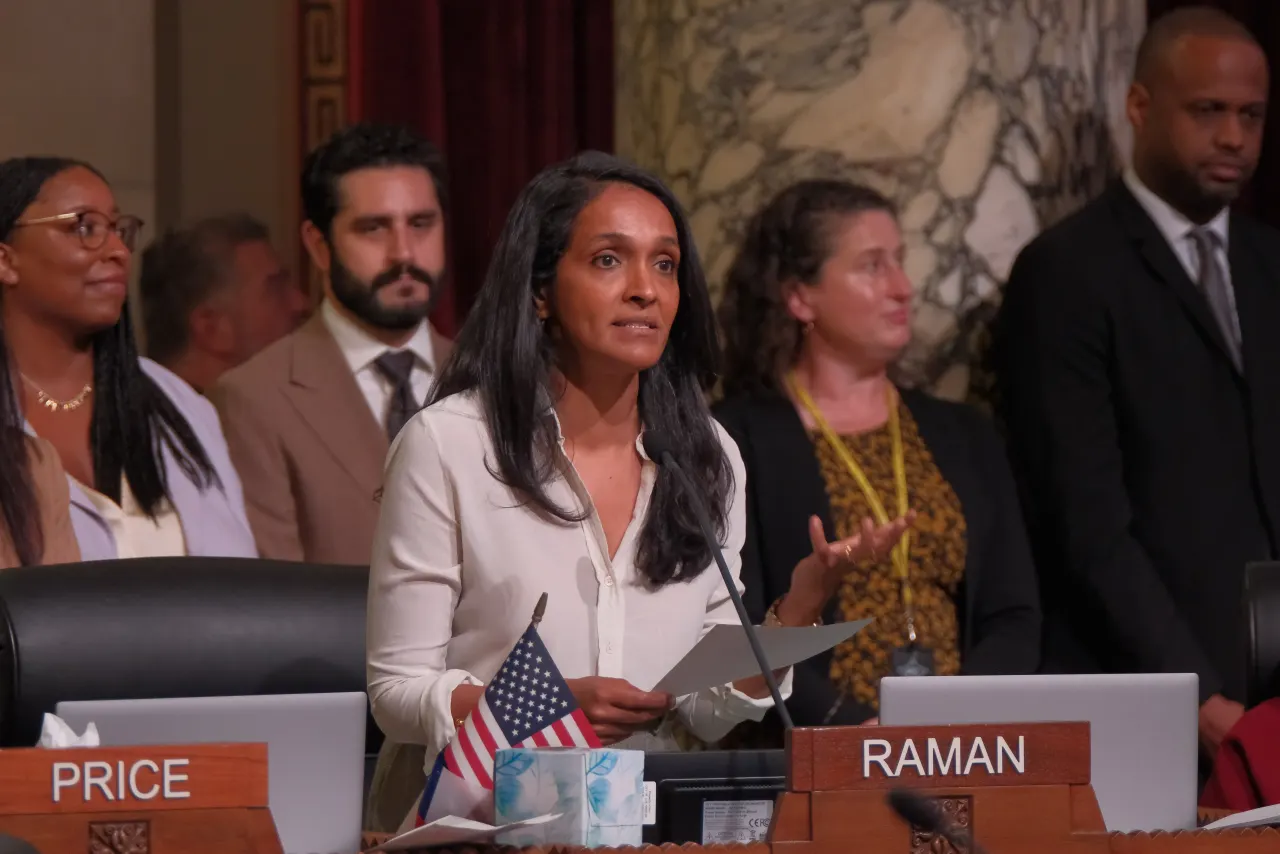
Nithya Raman and her allies are proposing a $3.1 billion overhaul of Los Angeles roads, adding bike and bus lanes while reducing space for cars. The opinion piece argues that this could worsen congestion and make travel harder for residents, and says the plan matters because it would reshape how people move around the city.
The article says voters approved Measure HLA in 2024, requiring bike and bus lanes and pedestrian upgrades when major road repairs take place. It reports that Raman has acknowledged the measure’s high costs have slowed road work and says she plans to assess how many protected bike lanes the city can afford. The author argues that Los Angeles’s size makes cycling and public transport impractical for many journeys, and claims road changes could affect emergency access, emissions and local businesses.
In short
- Raman’s allies propose a $3.1 billion Los Angeles road overhaul.
- The plan would add bike and bus lanes while reducing car lanes.
- The opinion piece argues the changes could worsen congestion and hurt businesses.
Steelman: both sides, in good faith
The strongest fair case each way — we don't pick a winner.
The case for
Supporters could argue that Los Angeles needs safer streets and more reliable alternatives to driving, and that adding protected bike lanes, bus lanes and pedestrian upgrades during road repairs is an efficient way to improve them. Voters approved Measure HLA, giving the city a mandate to make these changes, while better walking, cycling and public transport could reduce car dependence and improve access for people who cannot or do not drive.
The case against
Critics could argue that a costly, citywide redesign may reduce road capacity before practical alternatives can serve many journeys in a sprawling city, increasing congestion and making travel less dependable. They may also worry that delays to road repairs, constrained emergency access, effects on local businesses and the plan’s overall cost deserve more weight than the projected benefits, and that the city should carefully assess affordability and local conditions.
Explained simply
Los Angeles is a large, spread-out city where many people rely on cars, though buses and bicycles are also part of how residents get around. Nithya Raman is a member of the Los Angeles City Council, which helps set local policy on streets and transport.
In 2024, city voters approved Measure HLA, requiring the city to add planned bike and bus lanes and improve pavements when it carries out major road repairs. The measure links street upgrades to the city’s existing transport plans, so it can affect how road work is designed and paid for.
The debate concerns how to balance space for cars with safer routes for cycling, buses and walking. It matters because changes to streets can shape travel times, access for emergency services and the experience of nearby businesses.