The Legend of Zelda: Ocarina of Time preview – Link faces his scariest challenge yet: the 4K era
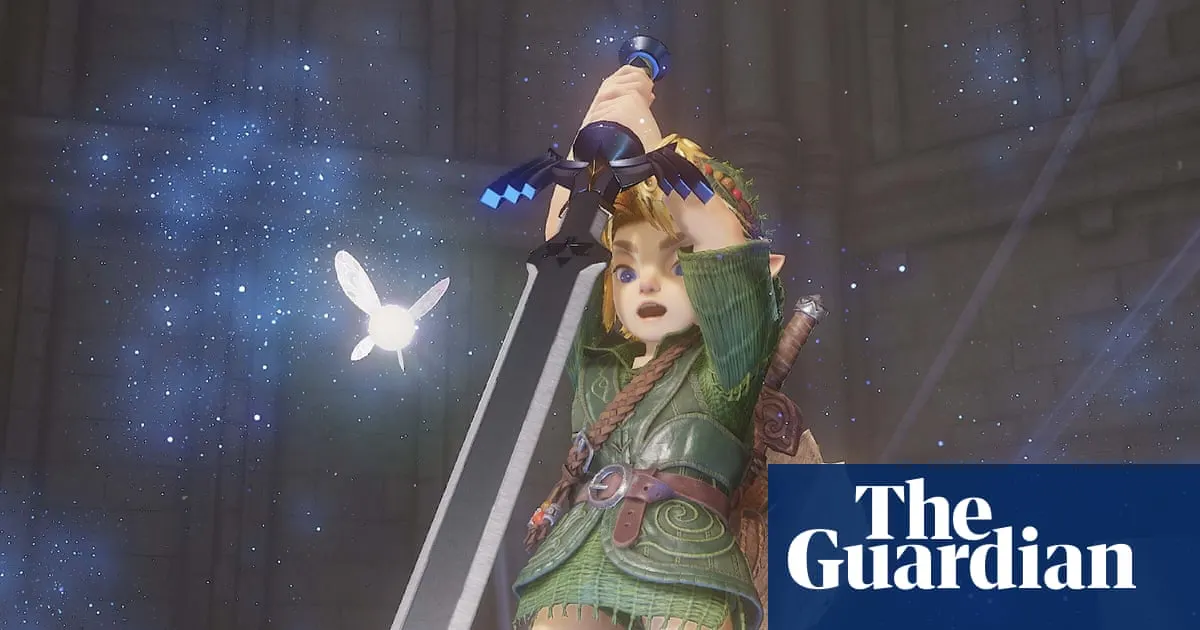
Nintendo’s hands-on demo of the Switch 2 remake of *The Legend of Zelda: Ocarina of Time* updates the 1998 classic with sharper visuals, a newly orchestrated soundtrack and substantial changes to how Link moves and explores. The preview suggests the remake matters both as an introduction for new players and as a test of how much modernisation a beloved, genre-defining game can take.
Link can now sprint, jump manually and use a free-rotating camera, while a scrolling inventory and motion-controlled slingshot streamline play. The improved aiming makes the Castle Town shooting gallery much easier, and the demo’s Forest Temple still offers demanding puzzles; the reviewer also praises the soundtrack while noting debate over Link’s glossy new appearance and the limits of Hyrule Field compared with later open-world games.
- The Switch 2 remake modernises movement, aiming and visuals.
- Forest Temple puzzles remain demanding.
- Link’s glossy redesign is drawing criticism.
New here? Start with this
The Legend of Zelda: Ocarina of Time is an action-adventure game first released by Nintendo in 1998. Players guide Link, a young hero, through the land of Hyrule, solving puzzles, exploring dungeons and fighting enemies as he tries to stop a threat to the kingdom.
The original helped establish conventions for 3D adventure games, including exploring a large world and using items to overcome obstacles. Its lasting reputation means a remake has to work for people meeting the game for the first time while also reflecting what long-time players value about it.
Both sides, in good faith
The strongest fair case each way — we don't pick a winner.
The case for
The remake’s new movement, camera and aiming could make a landmark game more intuitive for newcomers, while sharper visuals and an orchestrated soundtrack help it feel at home on modern hardware. Thoughtful updates may preserve the adventure’s puzzles and atmosphere while letting more players enjoy what made the original influential.
The case against
Ocarina of Time’s distinctive feel is part of its legacy, and modern controls or a glossy visual style may alter the tone and challenge that returning players value. Streamlined aiming and movement could also reduce the deliberate friction of the original, while updated presentation may invite comparisons with later games that Hyrule’s design was never meant to match.