Entertainment news and discussion on TalkFuse.
The Legend of Zelda: Ocarina of Time Remake Is Already Running Rampant on PC — but Can Nintendo Do Anything About It?
Developed over time first seen 2 days ago
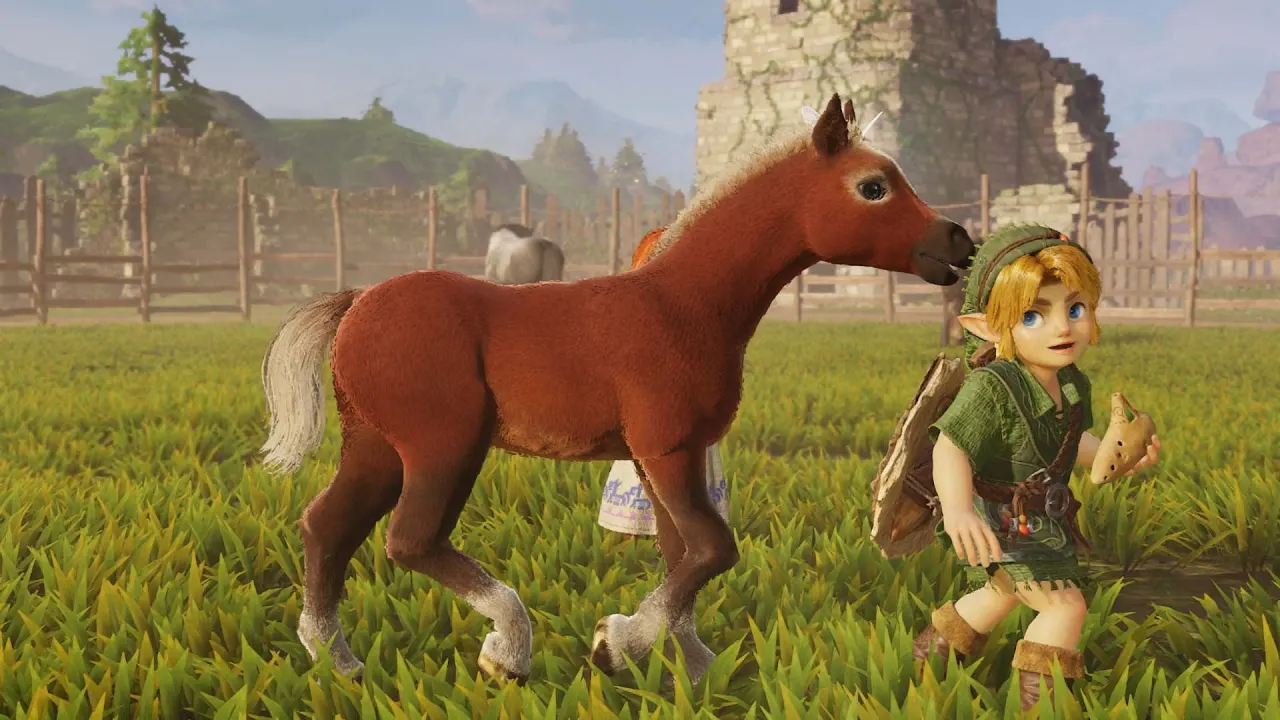
Players began running the Ocarina of Time remake on PC within days of its release, using emulators and recompilation tools. The speed and spread of these unofficial versions, including an unofficial multiplayer release, have drawn attention to how quickly AI-assisted tools can bring new games to PC and whether Nintendo can stop them.
The tool makers say users must supply their own game files, and legal experts cited a 2000 case in which Sony failed to stop a PlayStation emulator as support for the view that emulators can be legal. They say Nintendo may still challenge the projects over copied assets, trade secrets or other grounds, and the company has already made copyright claims against YouTube videos showing the PC port. The article’s discussion of possible weaknesses in the creators’ legal arguments is cut off.
- Sources
- 2
- Outlets
- 2
- Left · Centre · Right
- 0 · 0 · 0
In short
- Unofficial PC versions appeared within days of release.
- Experts say emulator tools may be legally protected.
- Nintendo has targeted videos showing the PC port.
How this story developed
- 2 days ago New legal commentary suggests Nintendo may face difficulty stopping unofficial PC versions of the Ocarina of Time remake, although experts expect it to challenge the projects.
- 2 days ago Players found ways to run the newly released Ocarina of Time remake on PC within days, using emulators and tools that recompile the game to run natively.
- 2 days ago Players began running the Ocarina of Time remake on PC within days of its release, using emulators and recompilation tools.
Steelman: both sides, in good faith
The strongest fair case each way — we don't pick a winner.
The case for
Nintendo can argue that unofficial ports use and distribute its copyrighted game, potentially including protected assets or confidential material, and that rapid releases may undermine sales and control over its work. Seeking removals or taking legal action could protect its investment and clarify the limits of projects that go beyond users running their own game files.
The case against
Players and preservation advocates can argue that emulation and independently developed tools may be lawful, particularly when users supply their own copies and the tools do not reproduce protected code or rely on trade secrets. They may see unofficial ports as expanding access to a game and note that the cited precedent rejected a broad attempt to suppress an emulator.
Explained simply
The Legend of Zelda is a long-running series of adventure games made by Nintendo. Ocarina of Time, first released in 1998, is one of its best-known entries; a remake is a revised version of that game.
Emulators are programs that let one device run games made for another, while native ports adapt a game to run directly on a different system. The legal questions can depend on how these tools are made and whether they use protected game files, artwork or confidential information.
Nintendo owns the Zelda series and has a history of protecting its games and intellectual property. The dispute matters because it raises questions about how far copyright law reaches when players and developers make games run on devices the original publisher did not support.