New releases, music videos and album news — indie, rap, rock and pop. Always covering Ren, Chris Webby, Sam Tompkins, bbno$, CHINCHILLA, Muse, Yungblud and more.
The legendary 1979 lyric Paul Weller wrote as a dig at The Clash: “What a great fucking image”
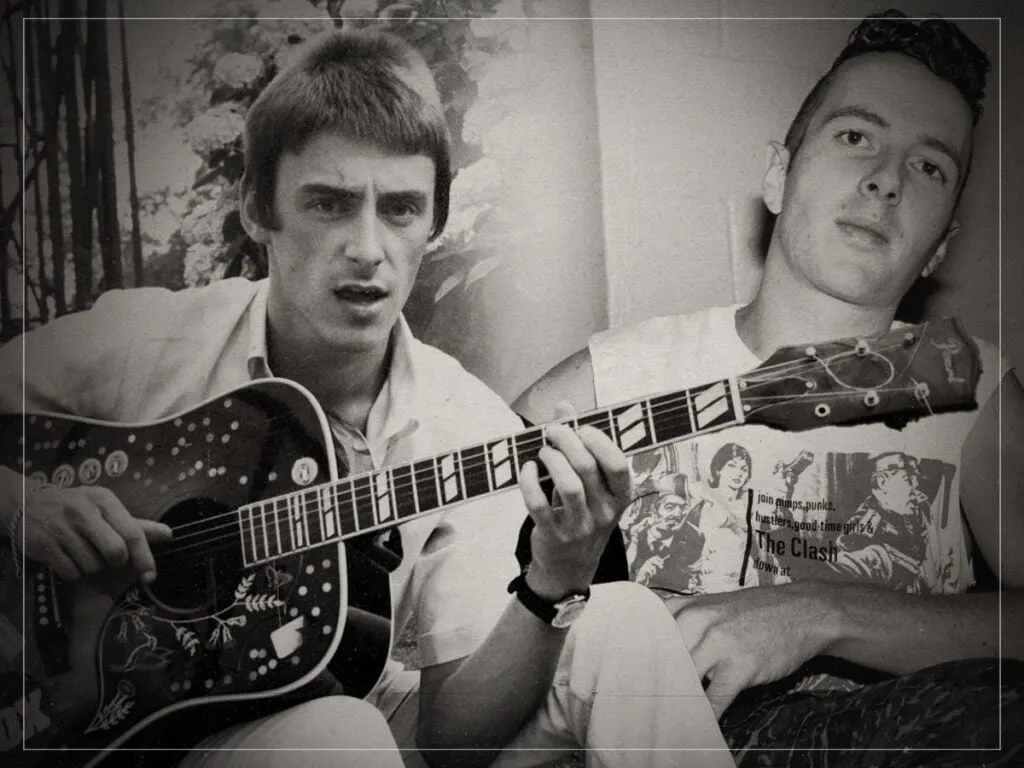
Paul Weller wrote The Jam’s 1979 song ‘The Eton Rifles’ after seeing television footage of Eton pupils jeering at a Right to Work march. The article highlights how the song turned that image of class conflict into one of British punk’s most enduring political statements, while also including a pointed criticism of fellow punk band the Clash.
The dig appears in the line about composing a “revolutionary symphony” before going to bed with a “charming young thing”. Weller later said he felt the Clash had drifted from their anti-establishment roots by spending much of their time in the United States, although he remained an admirer of the band; ‘The Eton Rifles’ reached number three in the UK singles chart.
In short
- ‘The Eton Rifles’ was inspired by a clash between Eton pupils and marchers.
- Weller used one lyric to criticise the Clash’s perceived change of direction.
- The 1979 single became the Jam’s first UK top-ten hit.
Steelman: both sides, in good faith
The strongest fair case each way — we don't pick a winner.
The case for
The Clash's pursuit of commercial success and extended touring in the United States represented a dilution of their revolutionary anti-establishment principles. Weller's observation was astute: bands cannot credibly claim radical intent whilst spending considerable time cultivating a lucrative international market. The contradiction between singing about challenging power whilst benefiting from capitalist machinery is not incidental but fundamental—true punk requires consistency between rhetoric and action.
The case against
Expanding a political message to international audiences and achieving commercial success need not contradict anti-establishment values. The Clash maintained genuine political commitment throughout their American work and later output; indeed, reaching a broader global audience is entirely consistent with spreading radical ideas. Dismissing touring and commercial viability as inherent betrayals of punk authenticity reflects gatekeeping rather than honest appraisal, and unfairly suggests that principled musicians must remain poor to remain credible.
Explained simply
The Jam were a British band led by singer and songwriter Paul Weller. In the late 1970s, punk and other forms of popular music often voiced anger at social inequality and Britain’s class divisions.
The Eton Rifles drew on television footage of Eton pupils jeering at a march calling for the right to work. Eton is a prestigious private school, and the contrast between its pupils and the marchers gave Weller a sharp image of class conflict. The song also took a swipe at The Clash, another punk band Weller admired, suggesting they had moved away from their anti-establishment ideals.