Entertainment news and discussion on TalkFuse.
The Lord of the Rings Character Who Was Completely Unrecognizable in the Books
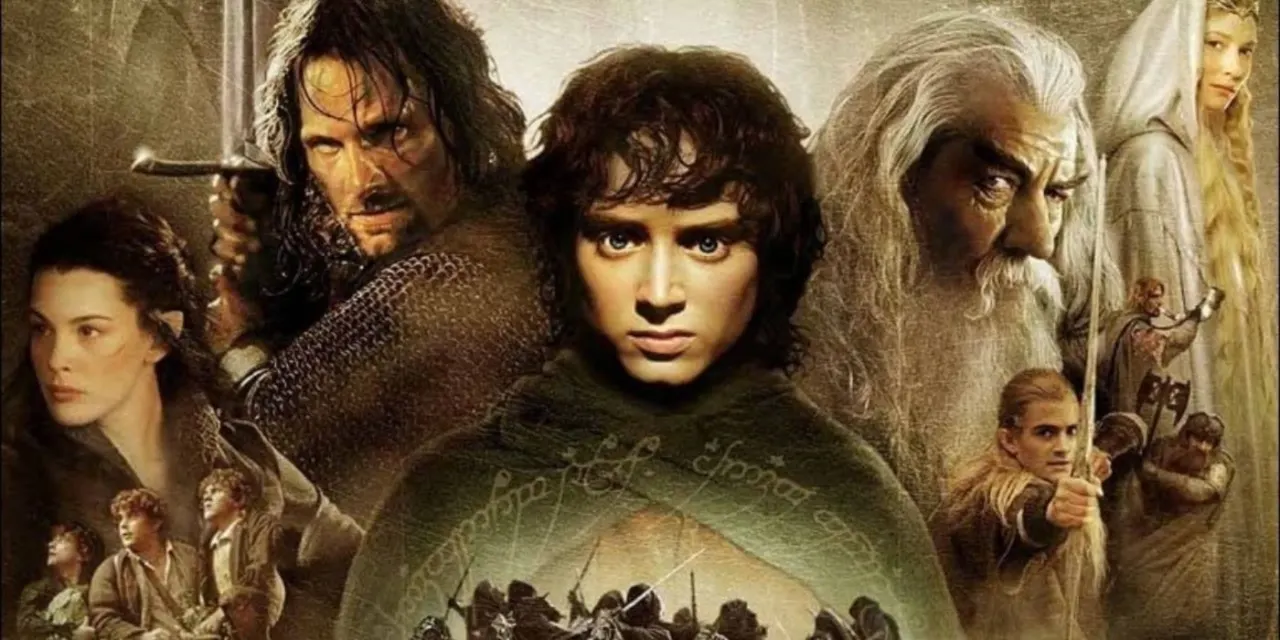
Peter Jackson’s films significantly alter Aragorn’s character compared with J. R. R. Tolkien’s books, despite preserving his central role as a member of the Fellowship, leader of Men and rightful king of Gondor and Arnor. The films portray him as reluctant, self-doubting and burdened by Isildur’s legacy, whereas Tolkien’s Aragorn is confident, proud of his ancestry and determined to reclaim the throne.
The adaptation also expands Aragorn’s romance with Arwen, turning their largely background relationship into a major emotional storyline involving her immortality and Elrond’s opposition. It further delays the reforging of Narsil into Andúril until Aragorn enters the Paths of the Dead, unlike the books, where he receives the sword before leaving Rivendell; these changes add cinematic drama without altering the broader plot.
In short
- Film Aragorn is more reluctant and troubled than Tolkien’s confident version.
- Aragorn and Arwen’s romance is greatly expanded for the films.
- Andúril’s reforging is delayed to heighten cinematic drama.
Steelman: both sides, in good faith
The strongest fair case each way — we don't pick a winner.
The case for
Film and literature are fundamentally different mediums, and what works on the page rarely translates directly to screen; Jackson's portrayal of Aragorn as self-doubting and reluctant creates the character arc and internal conflict that cinema audiences expect, and without such transformation he risks appearing flat or one-dimensional. The expanded Arwen storyline adds emotional stakes and relatability, whilst his delayed receipt of Andúril heightens dramatic tension at crucial moments, and these changes preserve his essential role and ultimate triumph whilst making them cinematically compelling.
The case against
Tolkien's characterisation of Aragorn as confident and proud of his lineage is fundamental to his role and appeal, and substantial alterations to his personality constitute a significant departure from source material rather than mere adaptation; the extensive reimagining of his relationship with Arwen fundamentally rebalances the emotional core in ways that undermine Tolkien's vision, which already possessed sufficient tension and drama without requiring characters to be substantially rewritten. Faithful adaptation need not mean dull cinema, and audiences deserve the opportunity to experience Tolkien's actual characters rather than versions reconceived for perceived modern sensibilities.
Explained simply
Aragorn is a central character in J. R. R. Tolkien's The Lord of the Rings, serving as a member of the Fellowship of the Ring and destined to become king of the kingdoms of Gondor and Arnor. Peter Jackson's film adaptations, released between 2001 and 2003, made significant changes to how Aragorn is characterised, whilst keeping his basic role and plot functions largely the same. These differences between book and screen reveal how filmmakers sometimes reshape characters to create different dramatic effects.
In Tolkien's books, Aragorn is portrayed as confident and assured in his destiny, with genuine pride in his royal ancestry and a clear determination to claim his throne. Jackson's films instead show him as reluctant, self-doubting and troubled by the weight of his inherited legacy, particularly the curse associated with Isildur, an earlier king. This shift transforms Aragorn from a character who knows his place and purpose into one who must overcome internal conflict before accepting his role.
The films also substantially expand the romance between Aragorn and Elrond's daughter Arwen, elevating a minor background relationship in the books into a major emotional storyline that includes Arwen choosing mortality to be with Aragorn. Additionally, Jackson delays when Aragorn receives the reforged sword Andúril, withholding it until later in the story rather than giving it to him before the Fellowship leaves Rivendell, as happens in the books. Such changes allow the films to build dramatic tension through character development and romantic stakes rather than following Tolkien's original structure.