The man who shaped Trump: book sheds fresh light on ruthless Roy Cohn
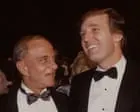
A new biography, American Scoundrel by Kai Bird and Susan Goldmark, examines the life of Roy Cohn, the New York mob lawyer who mentored Donald Trump in the 1970s and 80s and is credited with shaping much of his combative approach to business, politics and the law. The book, subtitled "Dark Journey from Joe McCarthy to Donald Trump", traces Cohn's path from prosecuting Julius and Ethel Rosenberg to becoming a fixer for organised crime figures and, later, a formative influence on the future president, who once famously asked "Where's my Roy Cohn?" during the Russia investigation scandal.
Bird, a Pulitzer prize-winning biographer previously known for American Prometheus, the basis for Christopher Nolan's Oppenheimer film, spoke to Trump four times by phone while researching the book, describing conversations in which Trump reshaped his own account of first meeting Cohn at Le Club in Manhattan in 1973. Bird noted that most conservative media figures, including Fox News hosts and Steve Bannon, declined to engage with the book, while Joe Rogan reviewed the galleys but said he was not interested. The biography, published on Tuesday, is described as fair but unflinching in its portrayal of Cohn's ruthless tactics, which Bird argues Trump absorbed and continues to apply.
In short
- New biography examines Roy Cohn, Trump's ruthless political and business mentor
- Author Kai Bird interviewed Trump four times by phone for the book
- Conservative media largely declined to engage with the biography
Explained simply
Roy Cohn was a New York lawyer who first became widely known as a prosecutor in the trial of Julius and Ethel Rosenberg, who were convicted of passing atomic secrets to the Soviet Union. He later worked for wealthy clients and people linked to organised crime, building a reputation for aggressive tactics and useful political connections.
Cohn met Donald Trump in the 1970s, when Trump was starting out in New York property. Cohn became his lawyer and adviser, and biographers have argued that Trump learned from his confrontational approach to disputes and publicity.
The book places Cohn’s life across several eras of American politics, from the anti-communist campaigns of Senator Joe McCarthy to Trump’s rise. That background helps explain why Cohn remains a point of reference in debates about Trump’s style and the influence of personal advisers on political leaders.
Art Culture Government Politics