World news and discussion on TalkFuse.
The migrant caravan crossing Mexico that has triggered Trump’s new tariff threat: ‘Our fear is that the Mexican president will send us back’
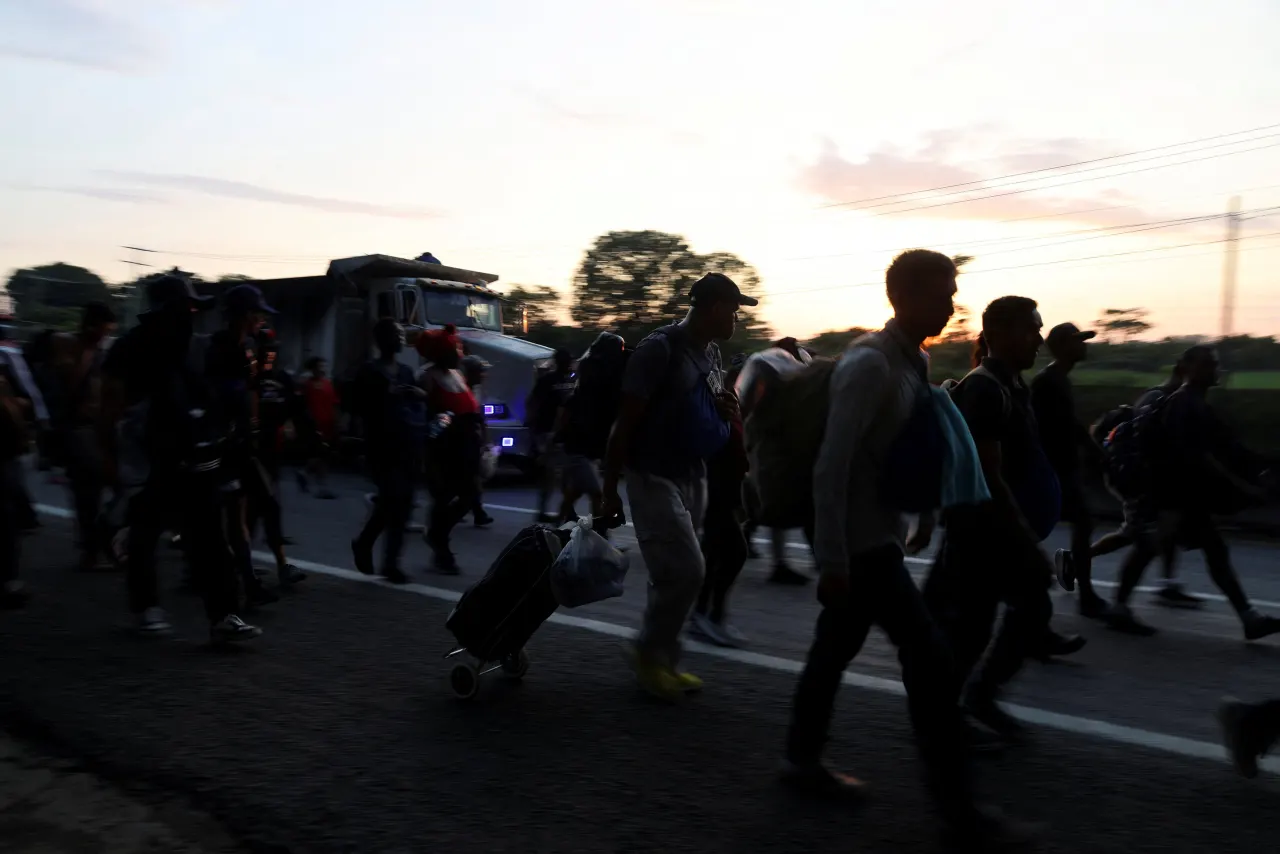
A caravan of about 1,500 migrants is travelling through southern Mexico, prompting Donald Trump to threaten to double tariffs on Mexican goods unless the government stops it. The threat follows Trump’s party losing control of both chambers of Congress in the midterm elections, and comes as he again blames migrants and Mexico for pressure at the US border.
The group, including Nicaraguan father Álvaro Vanega, has reached Huixtla, around 80 kilometres from the Guatemalan border. Mexican President Claudia Sheinbaum says no caravan has reached the US border since Trump took office; previous groups have been moved elsewhere in Mexico, offered transit permits, or returned home. She says migrants are being told they cannot reach the United States and can instead return safely or remain in Mexico under certain conditions.
In short
- Trump threatens to double tariffs over a migrant caravan in Mexico.
- About 1,500 people have reached Huixtla in Chiapas.
- Sheinbaum says no caravan has reached the US border under Trump.
Steelman: both sides, in good faith
The strongest fair case each way — we don't pick a winner.
The case for
Supporters of Trump’s threat could argue that a large caravan highlights the difficulty of managing irregular migration and that Mexico has a role in preventing people from travelling north towards the US border. Tariffs, in their view, are a way to press Mexico to act, while tighter controls could reduce pressure on border services and discourage dangerous journeys.
The case against
Critics could argue that threatening tariffs over people travelling through Mexico risks harming workers, businesses and consumers in both countries without addressing why migrants are fleeing or seeking safety. They may also question whether collective pressure is fair when Mexico is already moving migrants, offering permits and return options, and say cooperation would be more constructive than economic coercion.
Americas Government Politics World